
Amaal Saeed: Light, Identity, and the Spirit of Ahwaz
Crossing the Threshold
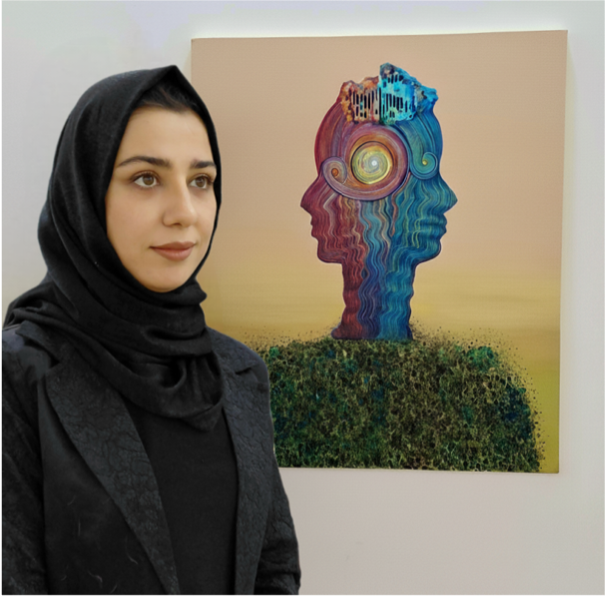
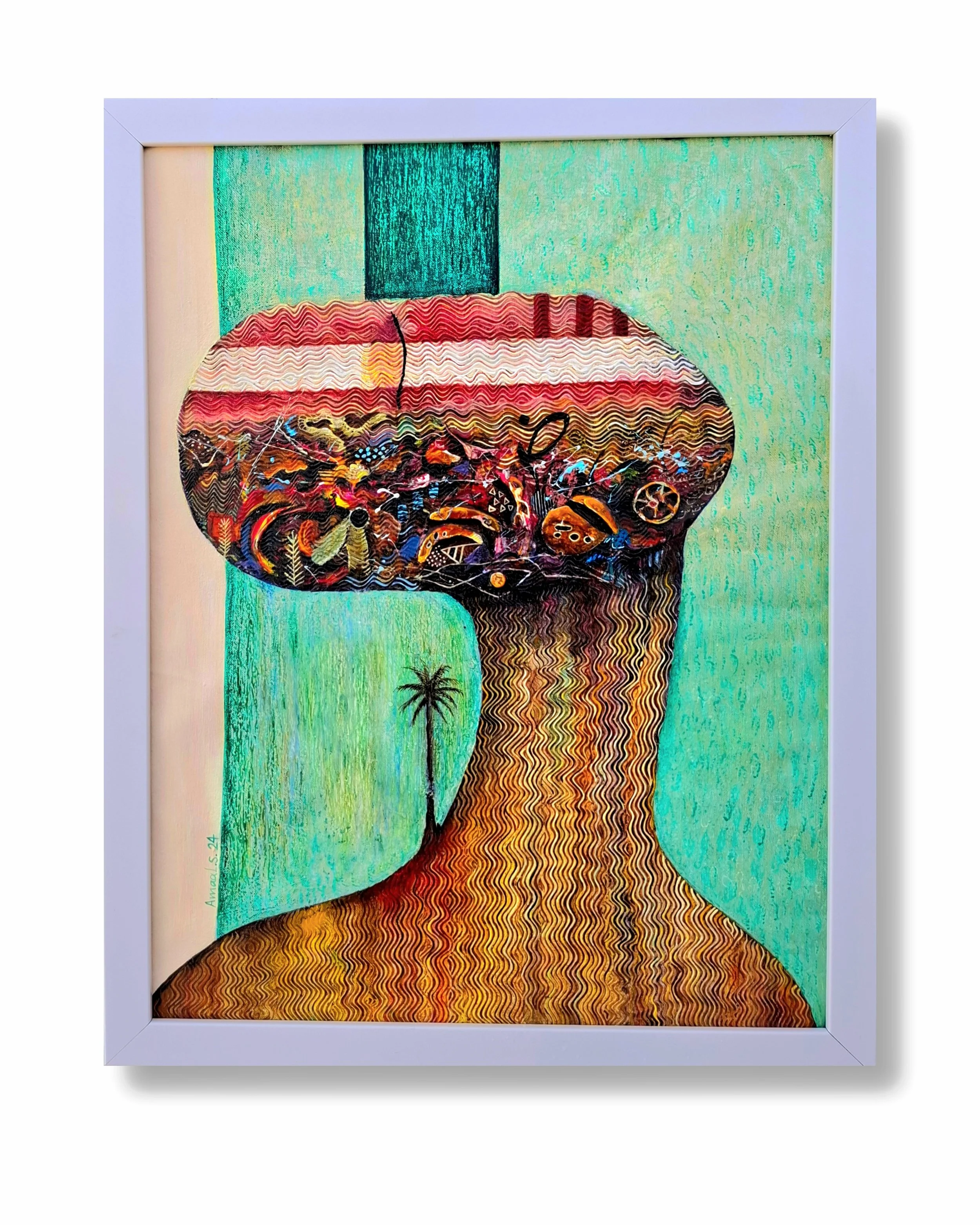
APE UK was thrilled to commission an artwork by Iranian artist Amaal Saeed titled Al-Atabah – The Threshold: Crossing from Darkness to Insight. This commission forms part of Women Artists from Conflict Zones #WACZ, a curatorial initiative supporting women artists living in or displaced from conflict-affected regions. Through this exchange, APE UK helps sustain their artistic voices as expressions of unsurmountable pain tempered by resilience rooted in the source of life, amid wars initiated by patriarchal mindsets, with immeasurable consequences for human lives and the living environment.
Reflecting on Al-Atabah, Amaal describes how the painting emerged from a single point of light on the figure’s forehead – symbolising the first spark of consciousness. It marks the moment when insight awakens, and the inner world uncovers a truth once hidden in the shadows on the unknown.
From this point, delicate spiral lines unfold outward, mirroring the inner transformations that reorganise the soul and open new horizons after extended experiences of fear, trauma, and disorientation. The work portrays spiritual transformation as a journey that begins quietly, with a subtle awakening that gradually reshapes perception and being.
As Amaal explains:
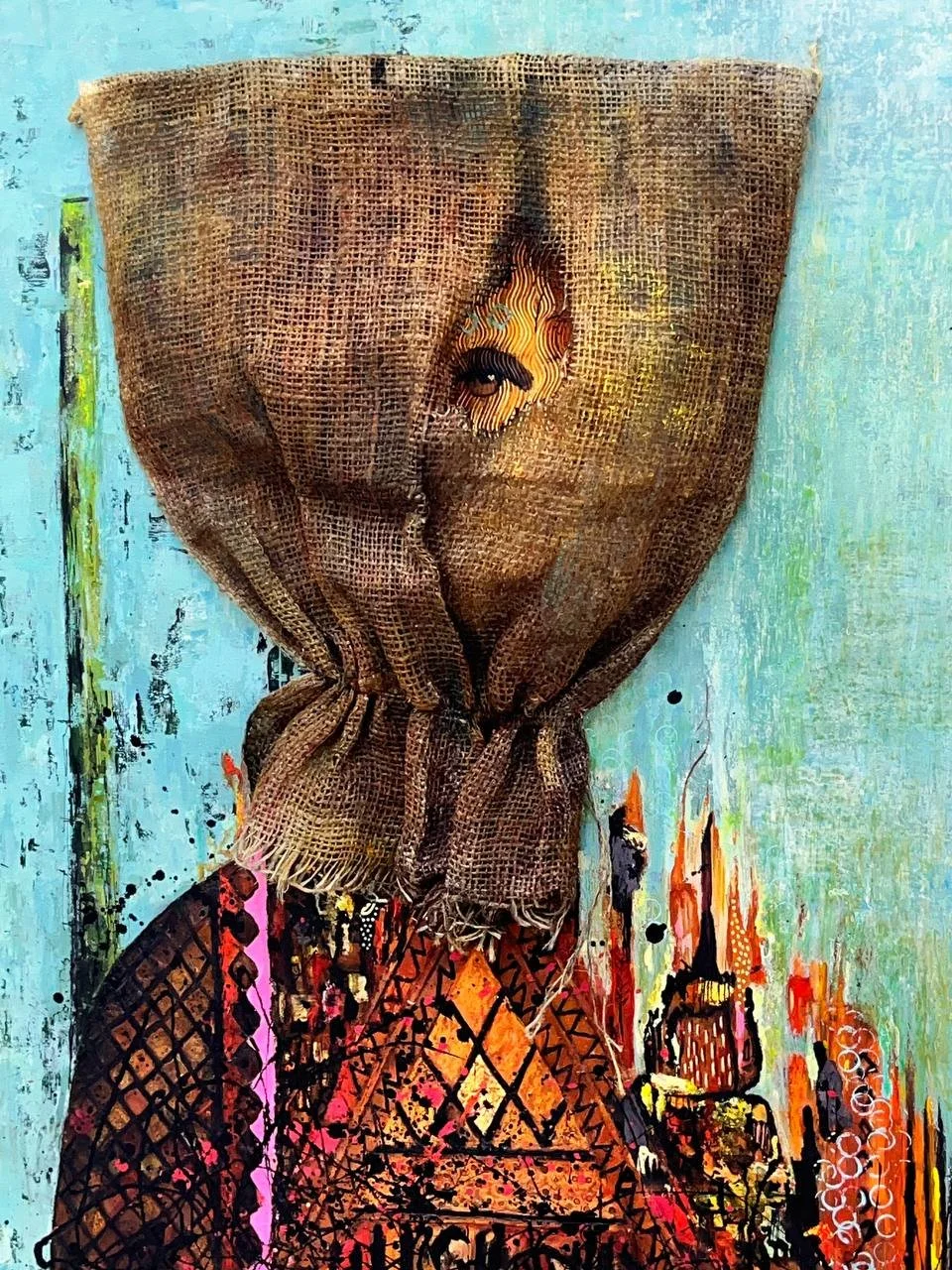
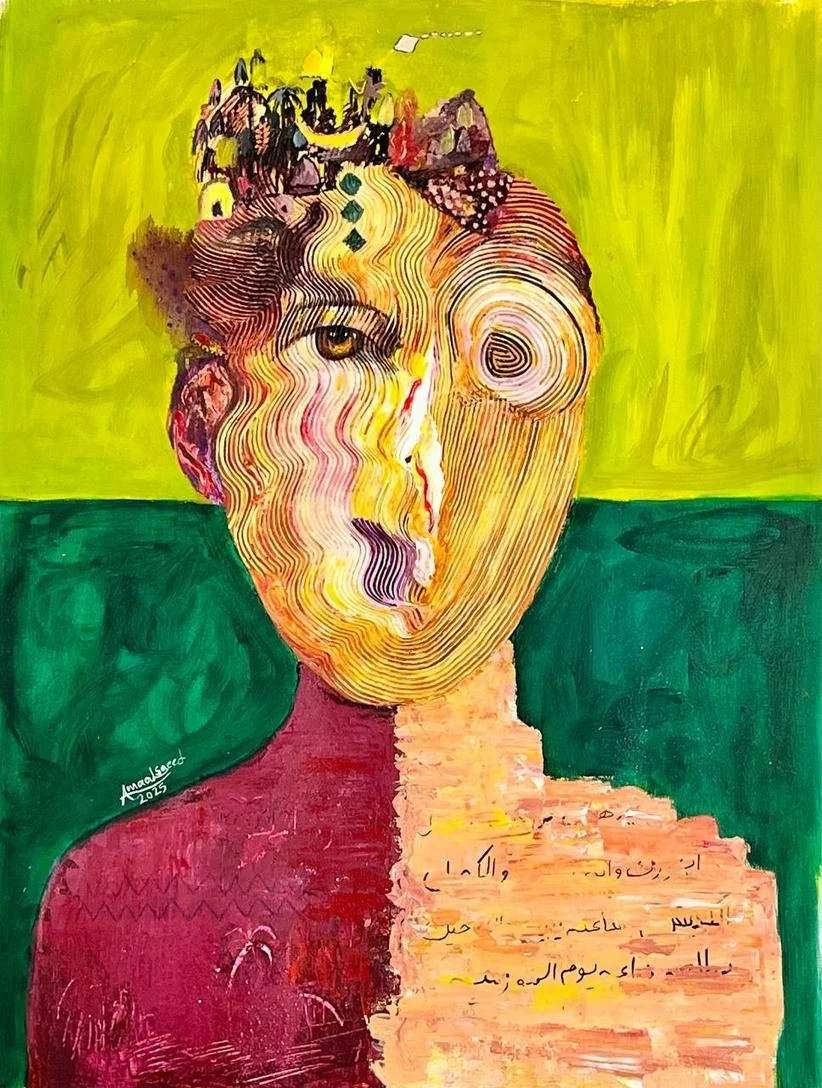
“This artwork is a contemplative journey into our inner world, reminding us that true light emerges from within—from where we illuminate our being.
The concept of the threshold is central to the piece: a transitional space where inner shifts occur, often following moments of shock or loss that jolt the soul awake. It is the moment when clarity emerges, illuminating a path forward after a prolonged journey of fear and loss.
Shaped by Land and Life
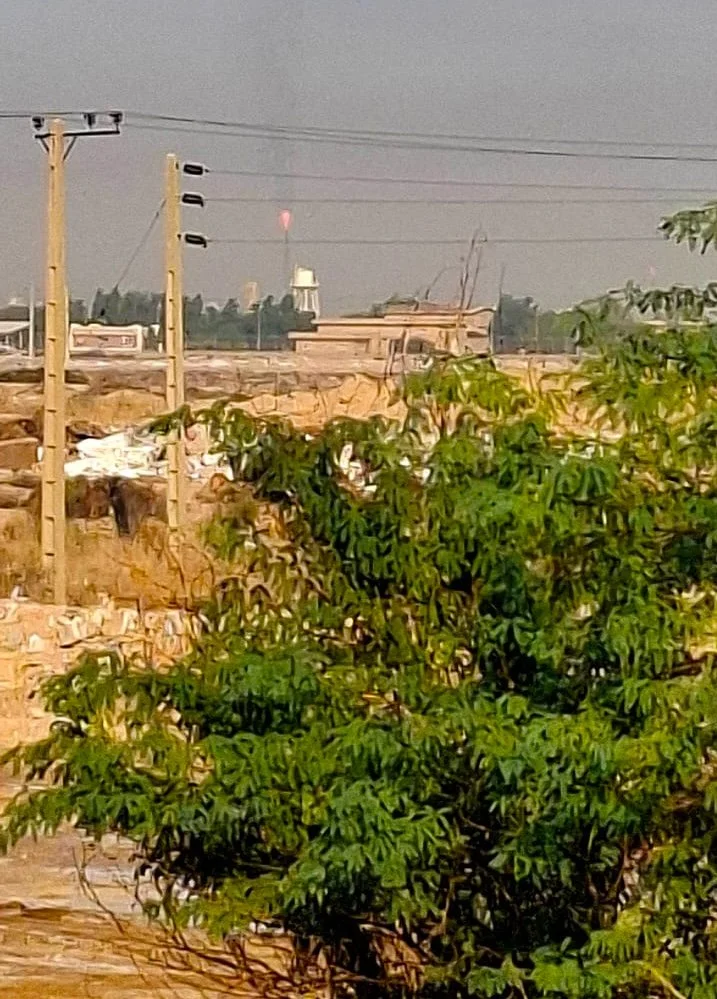
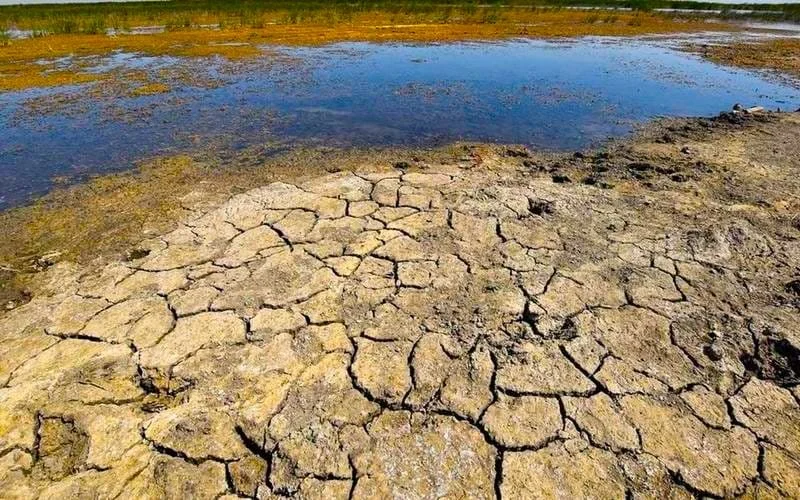
Amaal Saeed’s artistic practice is inseparable from her life in Ahwaz – a region abundant in natural resources yet deeply affected by environmental degradation and social pressures. Although she holds a master’s degree in urban planning, art has been her deepest calling since childhood.
She describes her creative process:
‘A continuous cycle of destruction and rebuilding. Each image is born, transformed, and may arrive at an unknown destination. My works invite the viewer to enter, wander, get lost, create their own narrative, and sometimes confront the limits of explanation.’
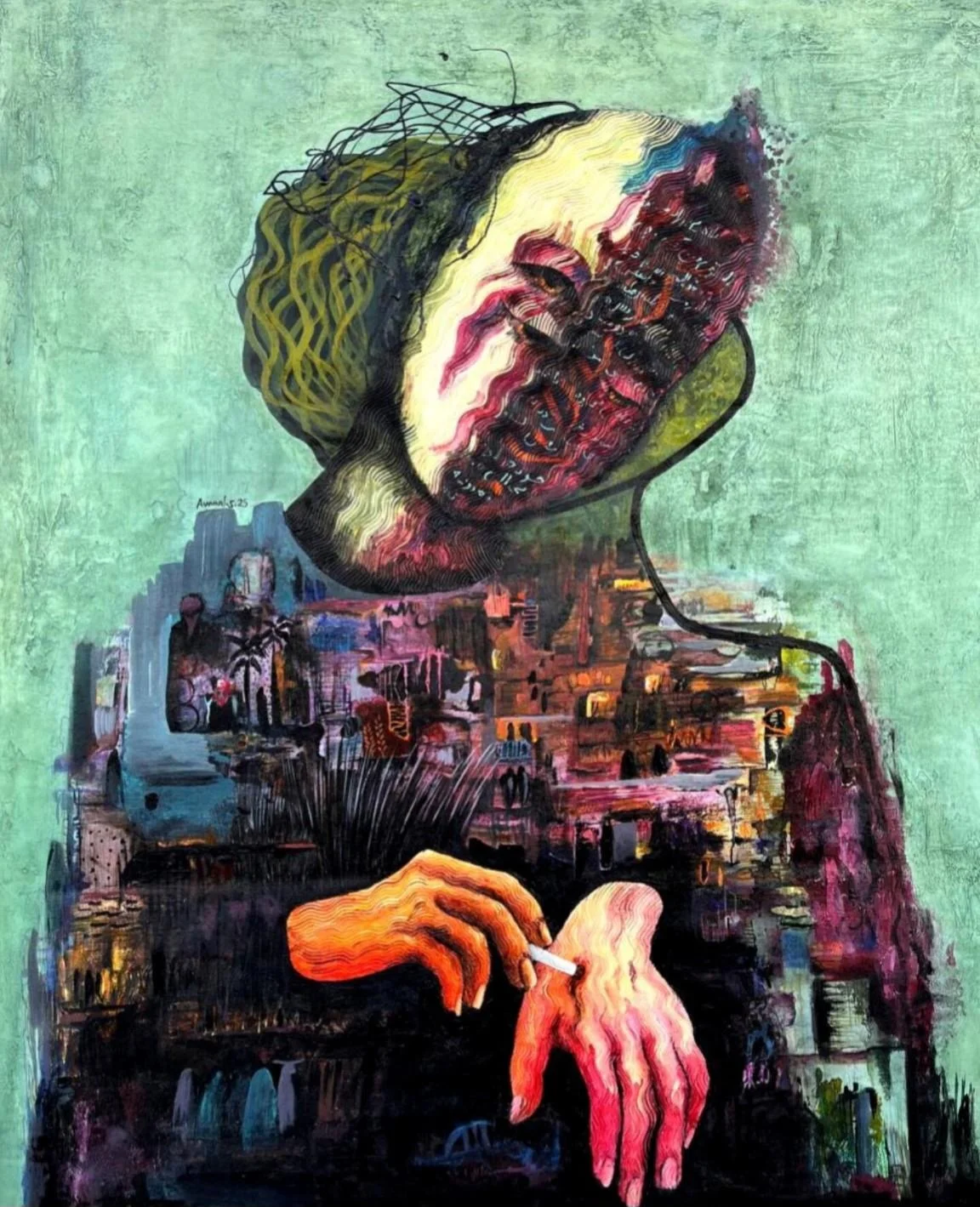
She draws inspiration from the singularity of Ahwazi – its landscapes, people, and the tension between identity and belonging. From her studio window, oil fields stretch across an exhausted terrain – an ever-present reality that seeps into her work. This experience shapes her existential view of the relationship between land and body, where the human form becomes an extension of the territory itself, bearing its fractures and scars.
‘Art has its own language’, she says, ‘to express what unfolds within individuals and within society’.
The Artist as Witness
Amaal believes that a true artist is inseparable from their people and identity; they become a part of their collective fabric.” She says: ‘My art is a blend of my personal experience and the pain I witness around me;. To her, art is not an escape from reality but a deeper way of confronting it.
‘My art is a blend of my personal experience and the pain I witness around me’, she reflects.
In Al-Atabah, Amaal Saeed offers a powerful meditation on consciousness, resilience, and transformation. She traces the journey of the smallest spark as a guiding conduit across thresholds, moving from darkness to light and from separation to belonging.
Interview by Nicholas Boulos
