
When We Lost Our Ghost: Khin Thethtar Lattt and the Ethics of Witnessing
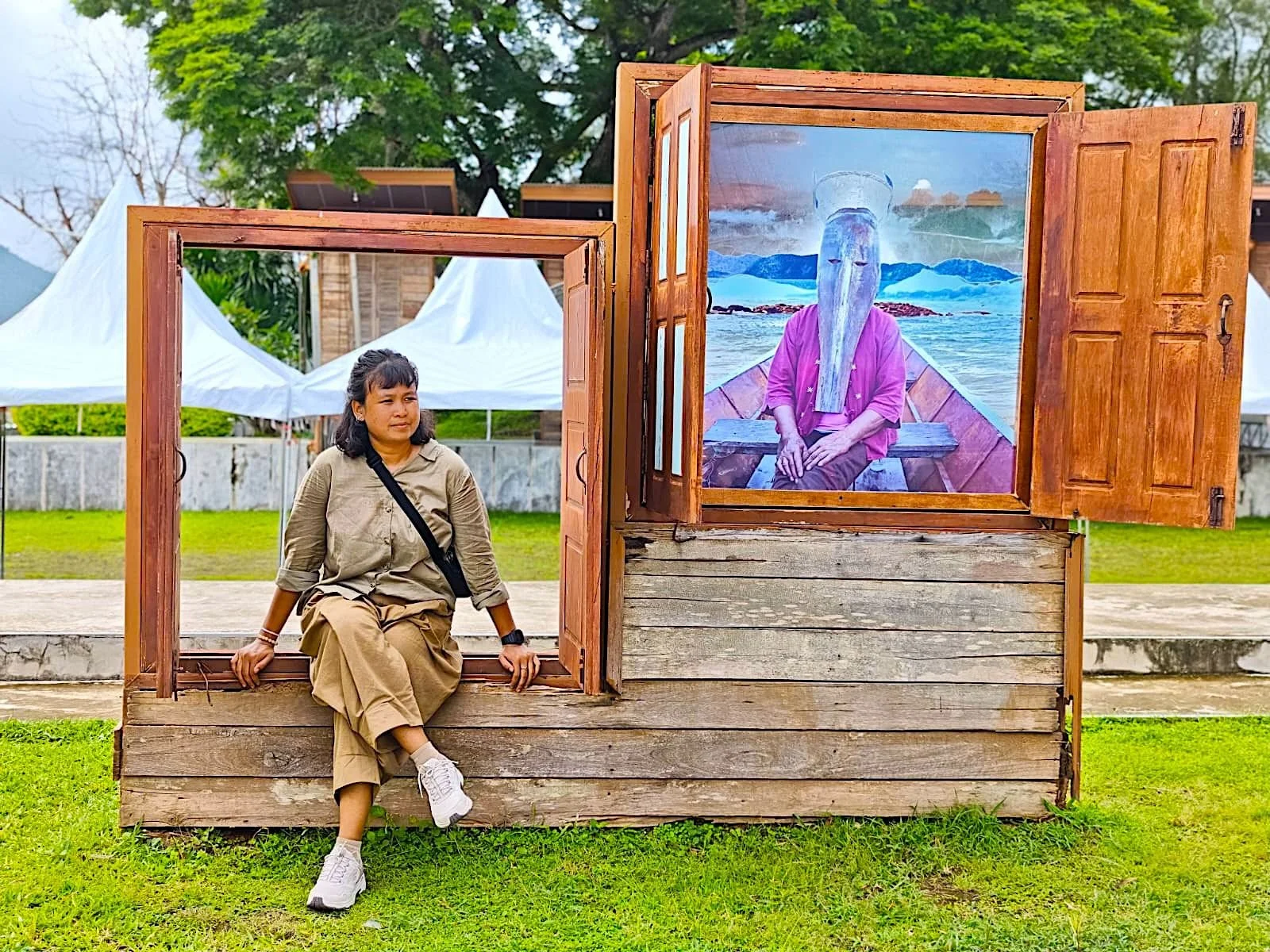
When We Lost Our Ghost is the newly commissioned work by Myanmar artist and activist Khin Khin Thethtar Lattt, created as part of Artist Project Earth’s Women Artists in Conflict Zones (#WACZ) initiative. The commission brings her practice into dialogue with other women artists working amid war, displacement, and political instability while positioning art as an transgressive expression of resistance.
Living and working within the ongoing realities of Myanmar, Khin Thethtar Lattt occupies a complex position: artist, witness, and documentarian. Her work emerges not from distance or retrospection, but from direct engagement with lived experience. In a context where violence, erasure, and interruption are part of daily life, her practice insists on ‘presencing’ – staying with what is unfolding, without simplifying it or turning suffering into spectacle.
A Practice Shaped by Reality
Her practice moves between film, photography, and embodied performance, not as an aesthetic strategy, but as a necessity. Film allows time, movement, and testimony to unfold. Photography captures immediacy—fleeting emotions that resist narrative closure. At other moments, her body itself becomes the medium, holding experiences that cannot be translated otherwise. This responsiveness to form keeps her work grounded in lived reality, allowing each project to emerge from the conditions that shape it.
For Khin Khin Thethtar Lattt, personal experience is not incidental; it is central. In a time of political violence and censorship, she believes that the personal offers an authenticity that abstraction cannot replace. ‘Personal journey is especially important in this moment,’ she reflects. It becomes a way of resisting silencing, while remaining accountable to those whose lives intersect with her work.
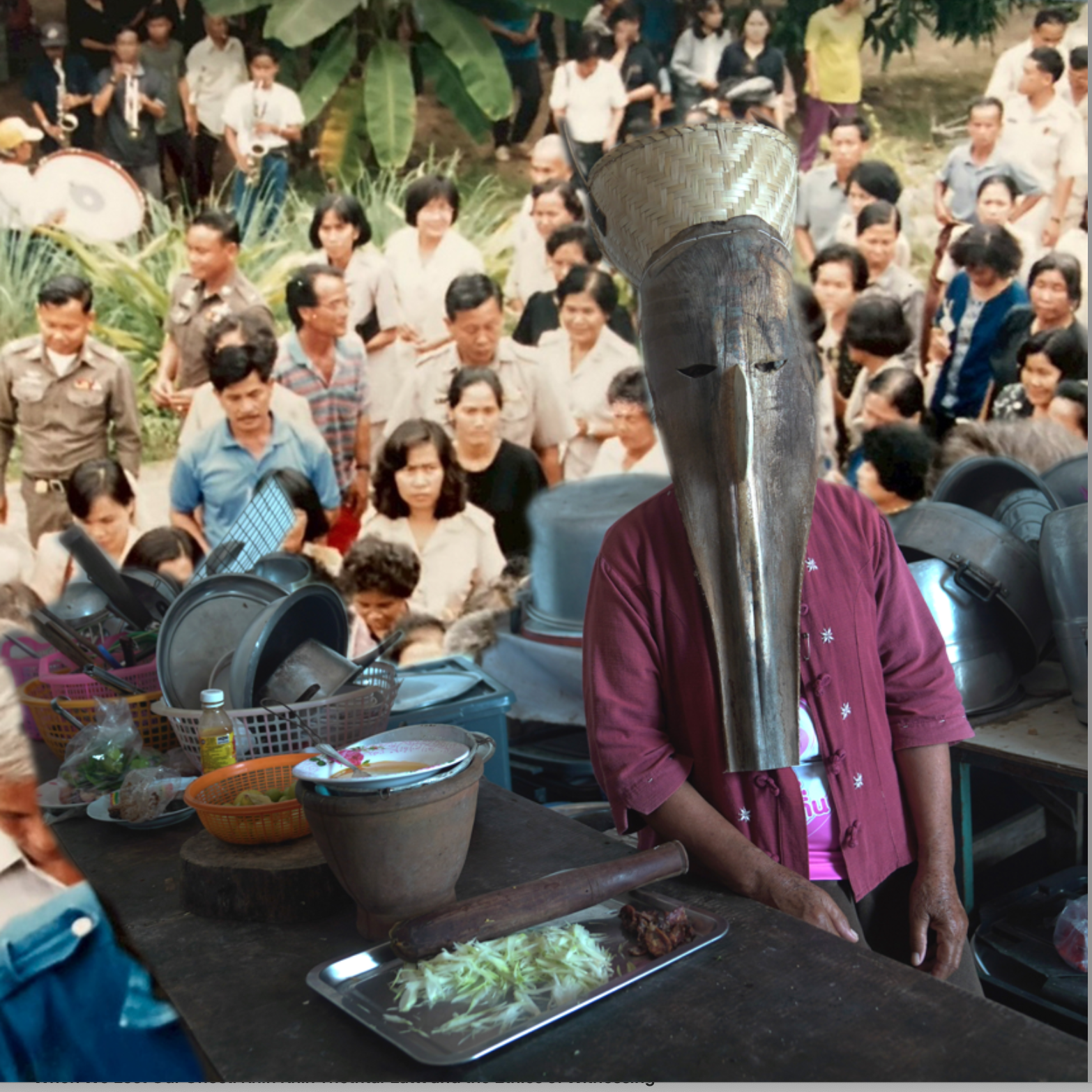
Each subject asks for its own form: ‘I work with different media depending on the theme and the experience I am responding to’
From Art to Artivism: Choosing Ethics Over Recognition
Over the past year, her practice has undergone a significant shift. As she became more directly involved in documenting the realities unfolding in Myanmar, she was forced to confront difficult ethical questions. Earlier in her career, her work drew primarily from her own life and was widely recognised. But through that process, she became acutely aware of how easily people can be turned into ‘material’ within artistic production.
‘That was the moment I had to make a clear ethical choice,’ she says. ‘I realised I could not use other people’s pain and suffering as artistic material.’ Dignity, integrity, and responsibility became more important than visibility or acclaim.
This decision led her to step more fully into the role of documentary filmmaker—to record, to witness, and to share experiences with people rather than extract from them. Art, in this sense, becomes a form of accompaniment rather than appropriation. Witnessing is not about ownership, but about holding space.
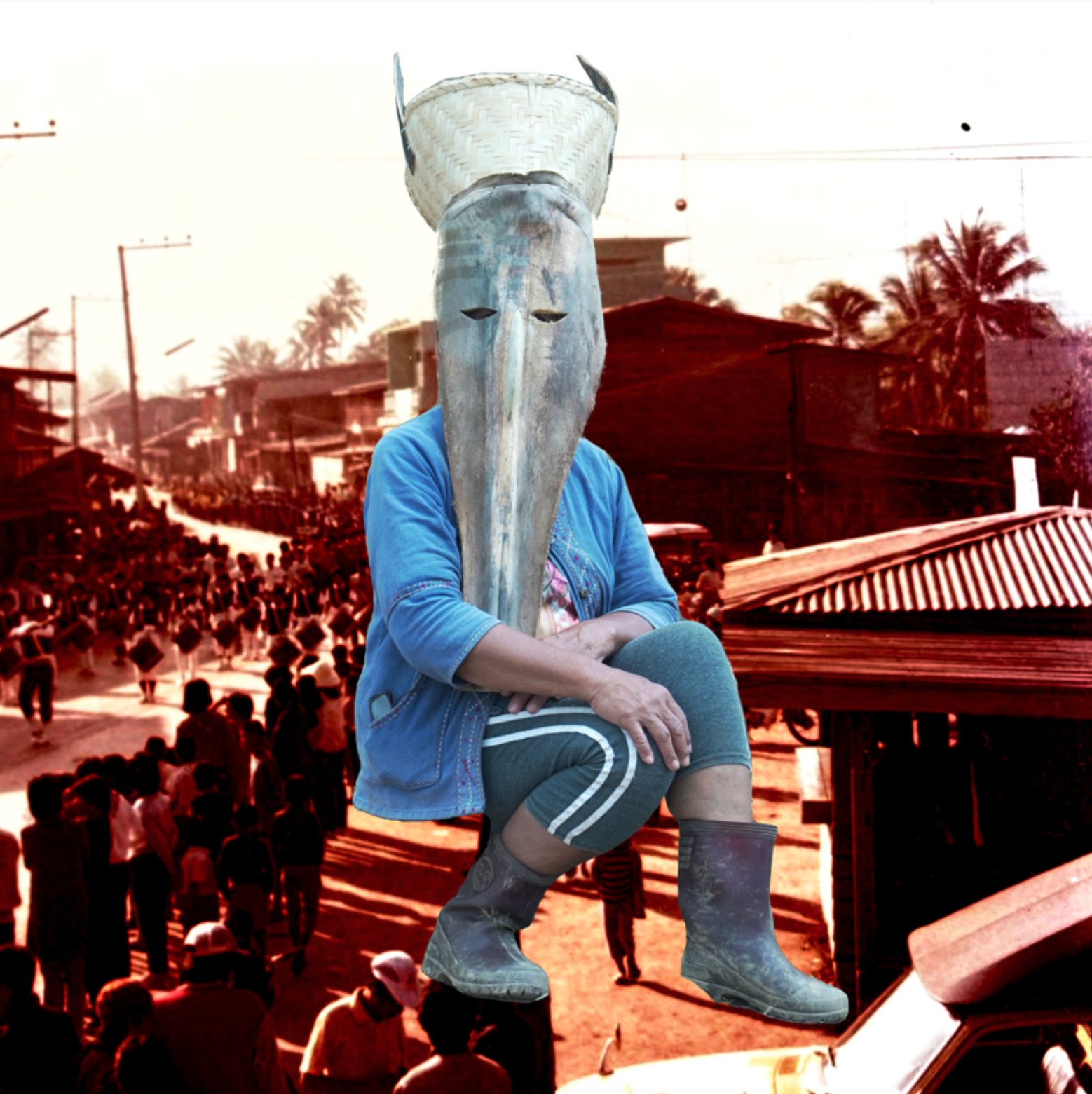
When we live in conflict, culture becomes a shelter for resilience and hope.
Fragmentation as Lived Condition
Fragmentation, layering, and interruption are recurring elements in her work, mirroring the realities of life in Myanmar. ‘My process begins with observation,’ she explains. She pays attention to fragments—gestures, absences, fleeting moments—and explores how they relate to one another without forcing coherence.
Myanmar’s reality, she notes, is layered and incomplete, shaped by rupture and uncertainty. Rather than smoothing these conditions into a singular narrative, her work remains attentive to gaps and silences. She tries to sense ‘the energies between fragments’ and to reimagine what is missing—not as an act of invention, but of care.
This process always returns to the body. By grounding her work physically, she resists abstraction and keeps fragmentation tethered to lived experience. In this way, formal disruption becomes a truthful reflection of reality rather than a purely aesthetic choice.
Speaking Beyond Headlines
Asked what she wants international audiences to understand about Myanmar, her response is marked by honesty and fatigue. ‘Sometimes it feels like no one really cares about us,’ she admits. The suffering is generational, and the weight of that history is often flattened or ignored by mainstream media.
Yet she continues to believe in the connective power of human experience. Through her work, she hopes audiences can encounter Myanmar not only through political narratives, but through shared emotional ground—love, compassion, endurance, and the quiet effort of continuing to live under extreme conditions. It is this invisible human labour, she suggests, that is most often overlooked.
When We Lost Our Ghost stands within Women Artists in Conflict Zones as a testament to ethical witnessing, embodied knowledge, and the refusal to surrender imagination, even when conditions conspire against it. In holding space for fragments, dignity, and lived truth, Khin Khin Thethtar Lattt offers not answers, but a way of staying with what matters—carefully, responsibly, and with profound humanity.
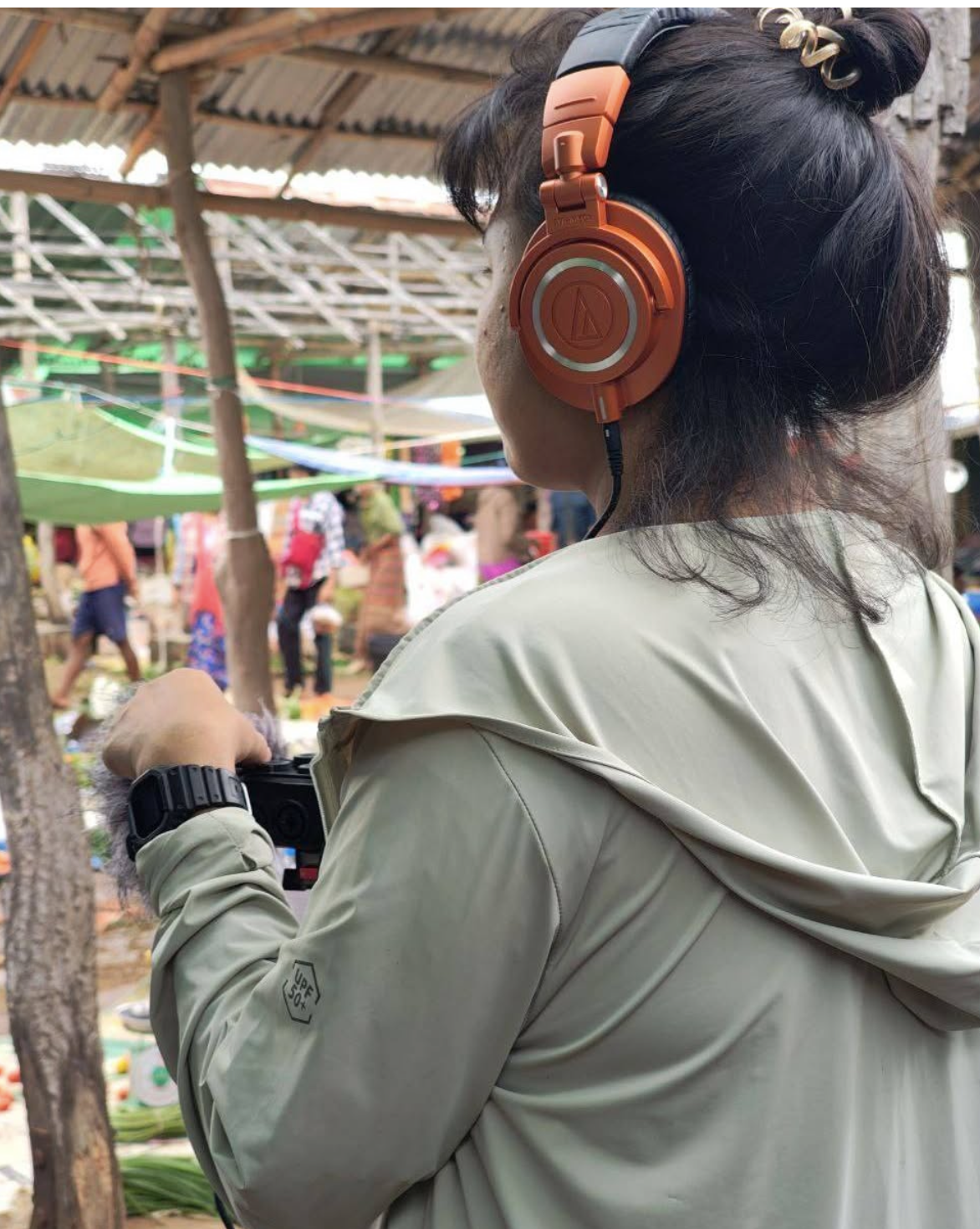
Khin Thethtar Lattt’s work embodies the #WACZ refusal to frame conflict solely through trauma. While her practice does not turn away from suffering, it also insists on the presence of resilience and ethical imagination.