
Dania Bucko
Caracas, Venezuela
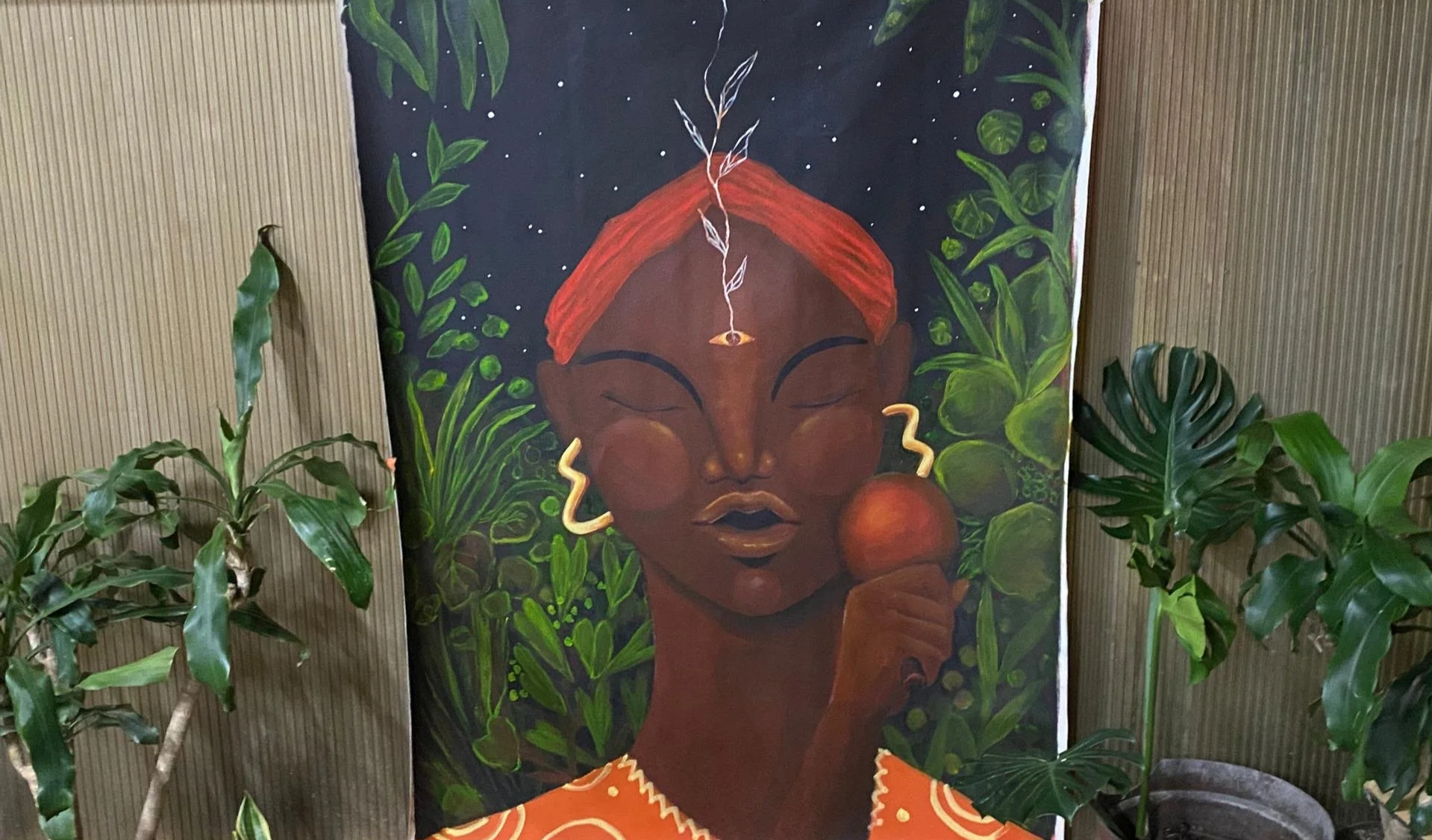
Repossession
Acrylic on canvas, 80 × 90 cm


Dania Bucko
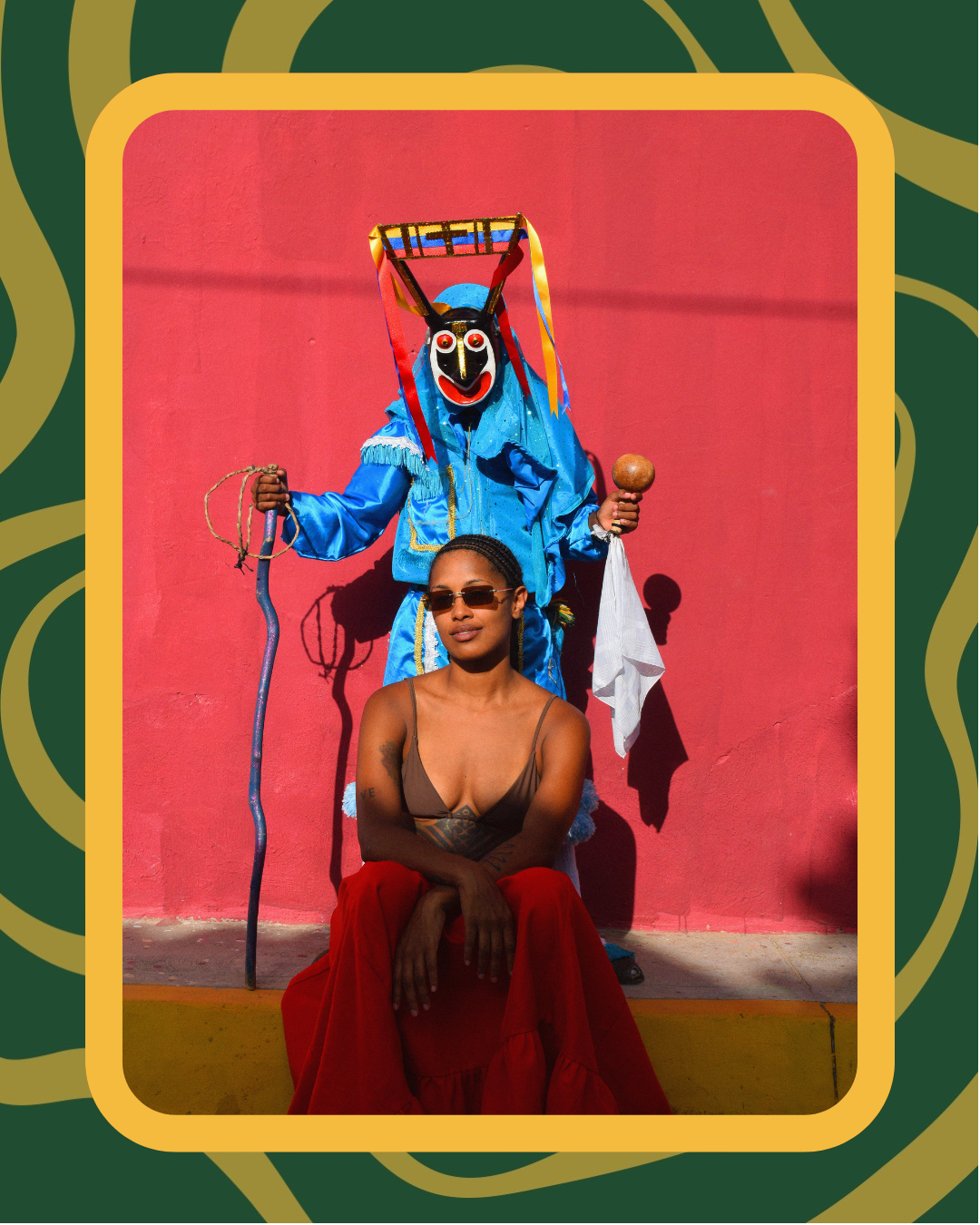
Dania is a Venezuelan visual artist and muralist whose work explores memory, identity, spirituality, and the cultural resilience of Afro-Venezuelan communities. Working from her experience as a Black woman from a working-class background, her practice seeks to recover stories that have historically been overlooked, marginalized, or erased.
Her work is deeply connected to the living traditions of Venezuela's Caribbean coast, where music, dance, ritual, and collective celebration remain powerful expressions of identity. Through painting and public art, Dania creates visual spaces where women emerge not as symbols of suffering, but as guardians of culture, spirituality, and continuity.
For Dania, art is an act of preservation.
It is a way of documenting the invisible labour of women who sustain communities, protect traditions, and carry cultural memory across generations. Her paintings draw attention to forms of strength that often exist outside official histories embodied in rhythm, ceremony, and collective celebration.
"Even in the darkest moments, we possess the indestructible capacity to connect with the sacred and the profound, and to convert pain into a vital vibration. My art is an act of preservation."
Dania

Repossession
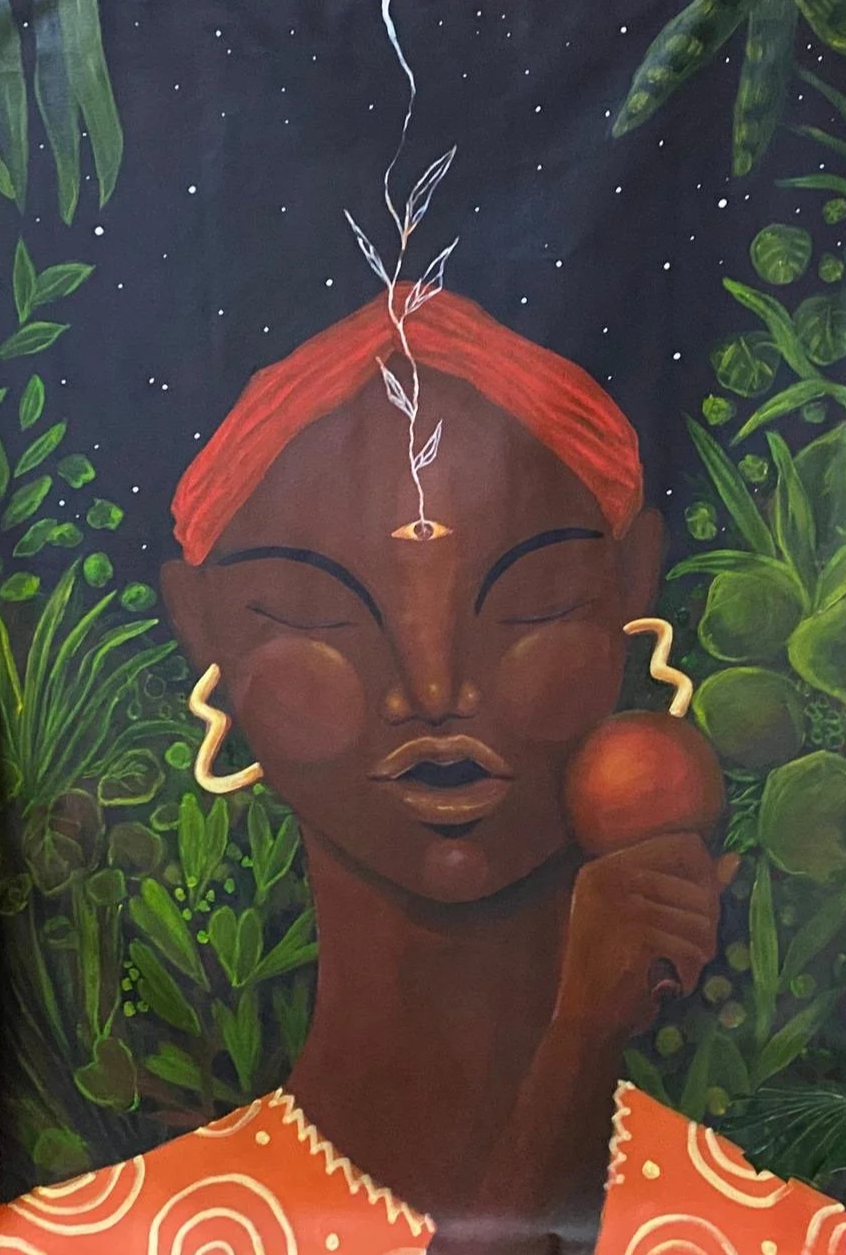
Repossession presents a female figure suspended between contemplation and transformation. Her eyes are closed. In one hand she holds a maraca, while luminous vegetation surrounds her body like an emerging ecosystem. A delicate flame rises from her forehead, connecting earth, body, and spirit.
The figure appears immersed in a moment of inner listening. Rather than confronting the viewer directly, she turns inward, inhabiting a space where memory, ancestry, and imagination converge.
The painting's vibrant palette – radiant oranges, deep blues, and luminous greens – creates an atmosphere that feels simultaneously intimate and cosmic. The surrounding vegetation suggests regeneration and continuity, while the maraca evokes rhythm, ceremony and the transmission of cultural memory across generations.
The title Repossession speaks to a process of reclaiming what has been taken, forgotten, or obscured. It is not about ownership in a material sense, but about recovering cultural memory, ancestral knowledge and spiritual roots.
For Dania, this act of repossession is deeply connected to the experience of women in Venezuela today.
As she reflects:
"Being a woman in my country today means possessing the strength to safeguard the sacred."
The work therefore becomes both portrait and manifesto – a declaration that cultural identity remains alive despite political instability, economic hardship, and social fragmentation.

Themes in Dania’s work
Cultural Repossession
Recovering ancestral memory, identity, and traditions that have been marginalized or forgotten.
Rescuing Silenced Narratives
Art becomes a space for recovering stories, histories, and cultural contributions that have been marginalized, overlooked, or rendered invisible.
Rhythm as Freedom
Drumming, dance, and movement are living languages of freedom, connection, and cultural persistence.
Women as Guardians of the Sacred
Women possessing the strength to safeguard the sacred, spiritual knowledge, and cultural continuity across generations.
Transmutation
Pain, loss, and struggle are transformed into colour, rhythm, beauty, and vital energy. Art becomes an act of preservation and renewal.
Caracas:
A City of Interrupted Futures
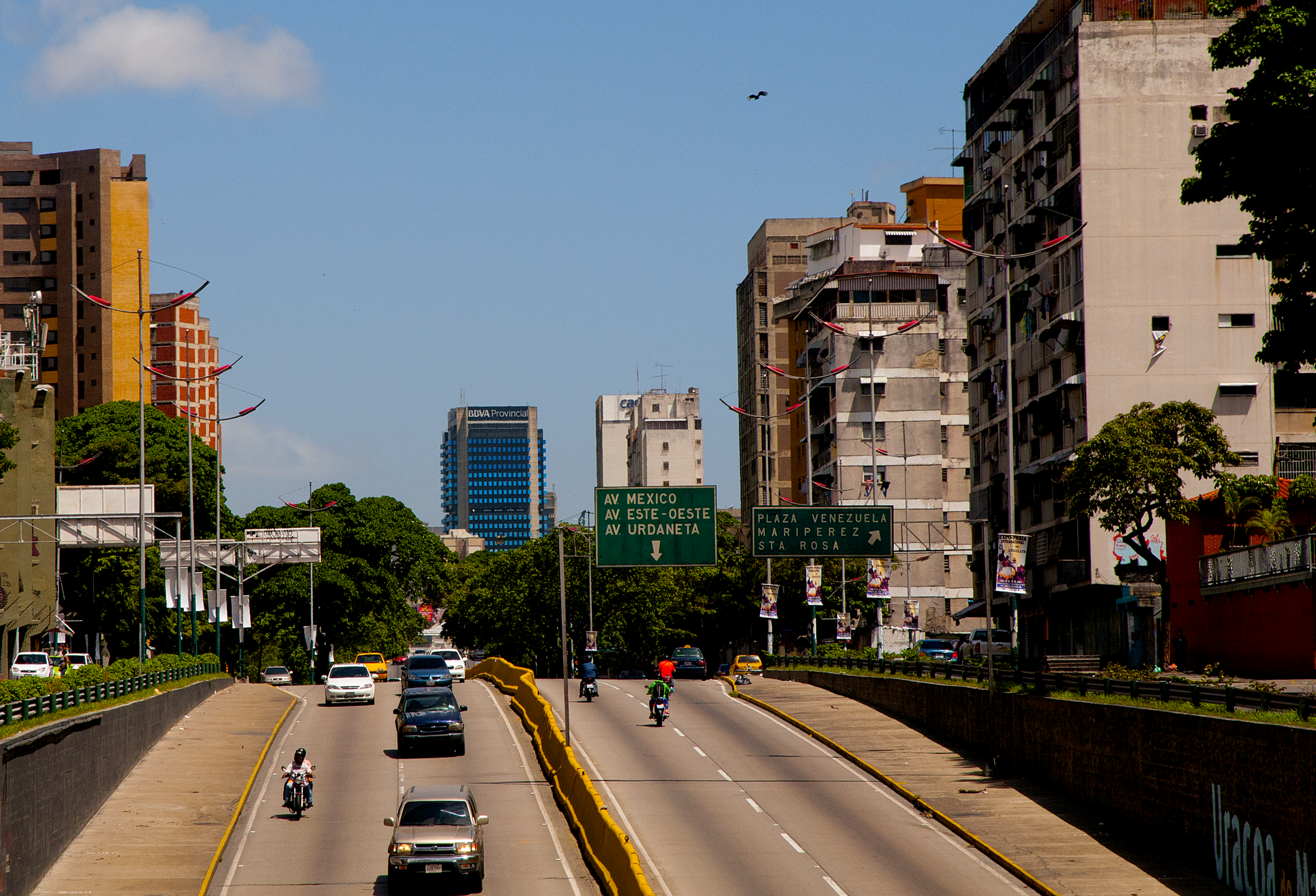
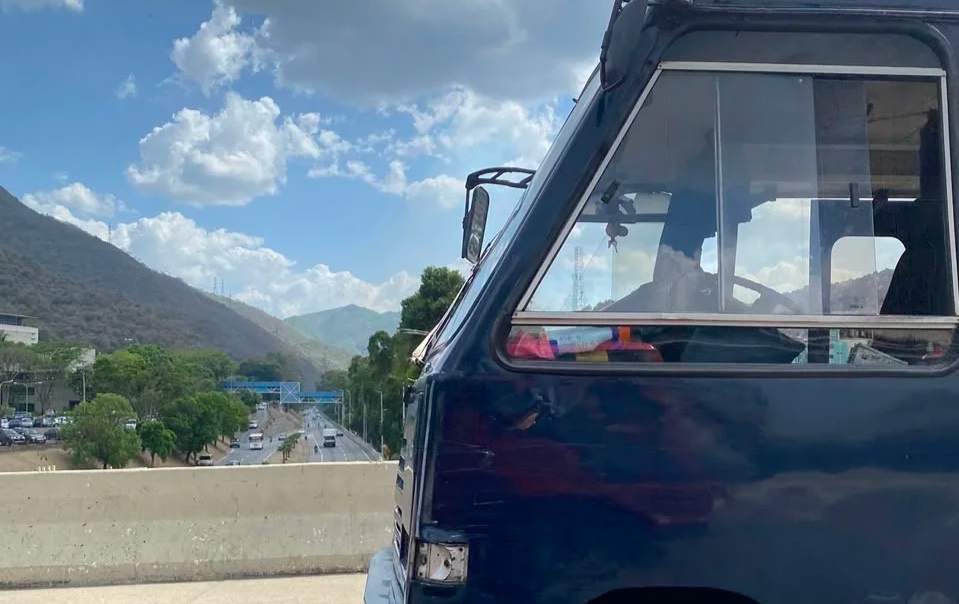
Caracas, the capital of Venezuela, is a city of profound contrasts. Home to more than five million people, it remains the country's political, economic, and cultural centre.
Throughout the twentieth century, Caracas became a symbol of modernity and ambition. Fueled by oil wealth, the city expanded through monumental architecture, infrastructure projects, museums, highways, and cultural institutions that embodied a vision of national progress.
Yet many of those dreams remain unfinished.
Today, Caracas is often described by urban thinkers as a city of unfinished modernity, abandoned futurism and broken utopian promise. Grand visions of progress coexist with economic crisis, political polarization, migration, infrastructural deterioration, and social fragmentation. These tensions shape the emotional landscape of the city as much as its physical form.
At the same time, Caracas remains intensely alive. Street markets, murals, music, neighbourhood networks, informal economies, and cultural traditions continue to animate urban life. Creativity persists not because conditions are easy, but because it has become essential to survival.
A Prolonged Crisis
For more than a decade, Venezuela has experienced overlapping political, economic, and social crises. Hyperinflation, shortages, migration, political confrontation, human rights concerns, and recurring protests have transformed everyday life across the country.
Women have occupied multiple roles throughout this period: protesters, journalists, human rights defenders, caregivers, community organisers, and custodians of memory. They have become witnesses to the crisis while simultaneously sustaining daily life through networks of care and resilience.
Within this context, artistic practice becomes more than representation. It becomes a means of preserving humanity, protecting memory, and imagining futures beyond crisis.

Explore other artists
-
Khin Thethtar Latt
Yangon, Myanmar
-
Amna Elhassan
Khartoum, Sudan
-
Tetiana Hurn
Zhmerynka, Ukraine
-
Amaal Saeed
Ahwaz, Iran
-
Rala Tarabishi
Damascus, Syria
-
Asmaa
Gaza, Palestine
-
Sarah Ndele
Kinshasa, Democratic Republic of the Congo