Michael U: Music making change from Nigeria to the world
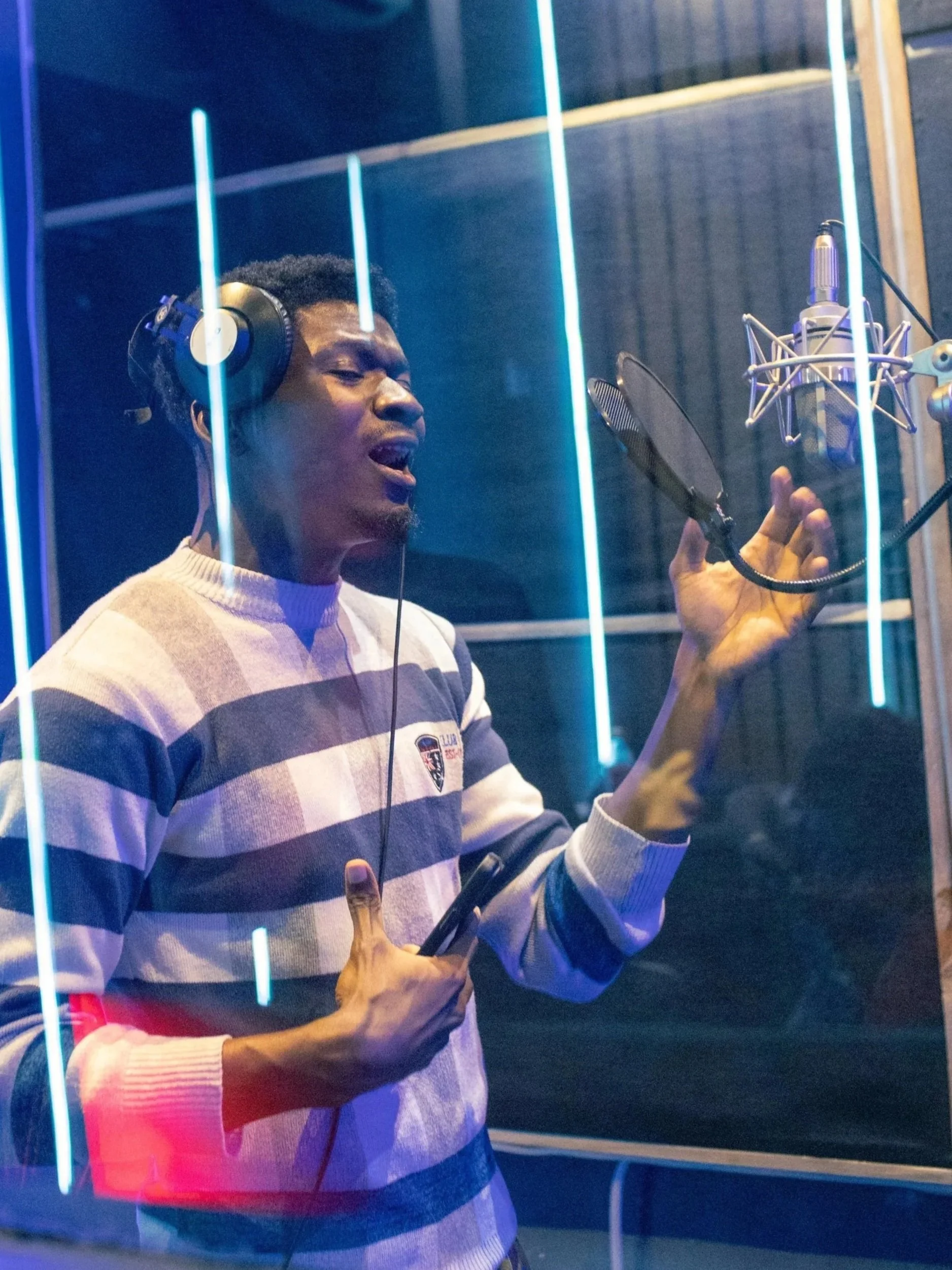
Meet Michael U from Kogi State, Nigeria. Michael is not only a gifted musician but also a changemaker — whether it’s leading environmental cleanups or empowering local youth as an ambassador of Street Project Foundation
In this conversation with Yasmin Dahnoun, Michael shares the story behind his winning track Our World, his journey as an artist-activist, and why he believes music is more than just sound, but a force for action, transformation and collective liberation.
INTERVIEW
Yasmin Dahnoun: Firstly, I just want to say congratulations on winning the competition; it’s been such a joy to work with you!
Michael U: Thank you so much. It’s been an incredible journey. Working with Artist Project Earth is such a meaningful project, has been the highlight of my year. I'm truly grateful. When I saw the email that I was one of the winners of the competition at first I was silent. I thought, Is this for real? I had to close the mail and reopen it just to be sure [laughs]. And honestly, I’d had a rough day; transport, delays, you name it. That news changed everything.
YD: I’m so glad. Tell me more about you. Who is Michael U? What do you do as an artist?
MU: Okay, so I’m Michael Uhiene – I hail from Kogi State in Nigeria. I’m a music artist, yes, but for me, it’s never just about the sound or the vibe. I use music as a tool to make a positive impact.
Whether it’s about climate, gender-based violence, or advocacy against cybercrime, I’ve written songs around all of it. My music is a voice for change; that’s the mission.
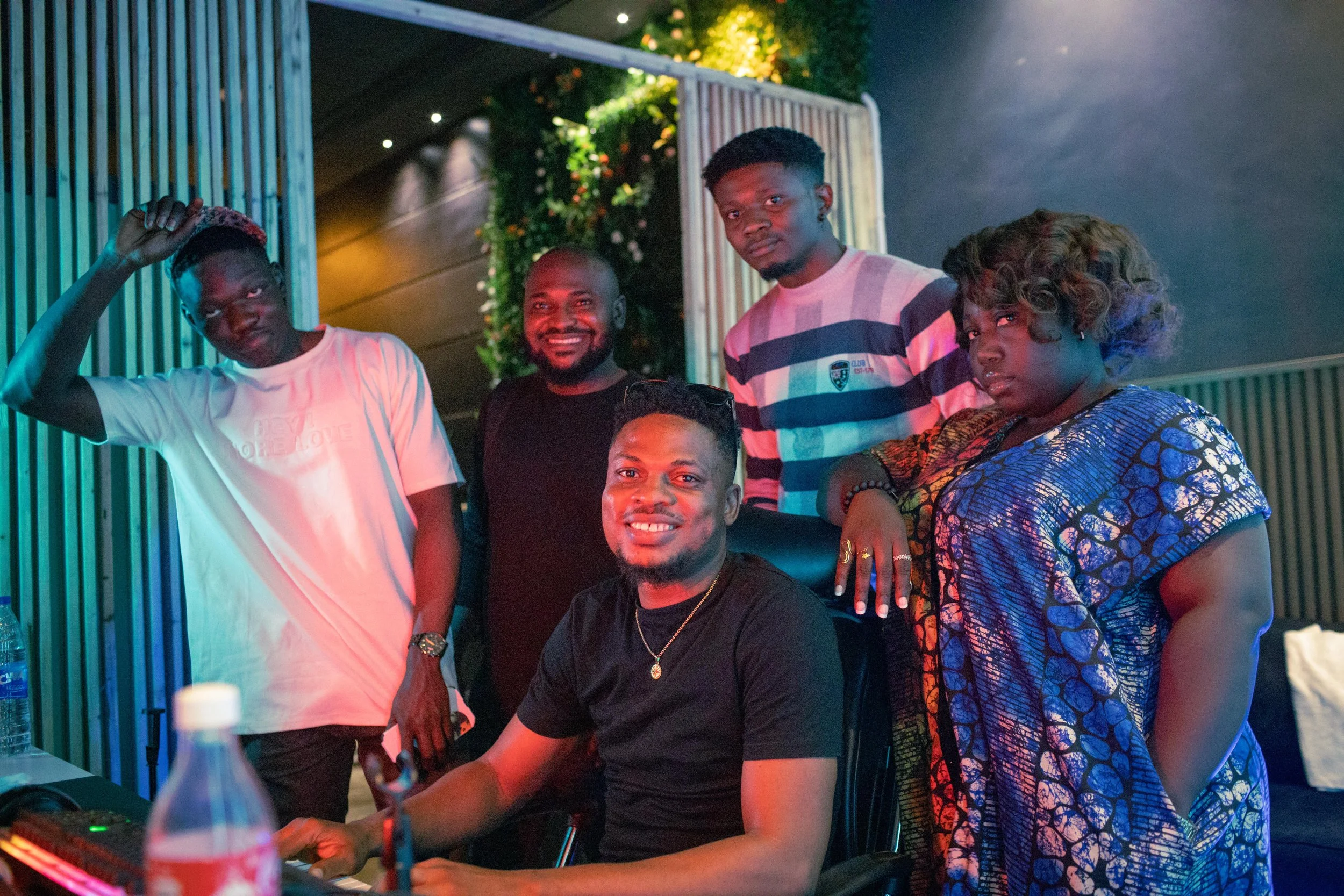
Michael U. and his crew re-recording Our World at Sound Grid Studio in Abuja, Nigeria.
YD: And thank you for the voice you bring. I love what you say about sound being just one part, but really, it’s the message, the mission that matters - supporting communities and bringing these issues to our hearts through your art and creativity. So, how does that creative process begin for you?
MU: First, I need an emotional connection to the topic. If I’m touched by something, the lyrics come naturally. I usually sit with my guitar, I’m not the best guitarist! But I use simple chords, and from there, I let the lyrics flow. I also do research. If it’s climate breakdown, I’ll read up – the latest science, the history, and all that shapes the writing. I think of it as receiving inspiration. You just have to position yourself to receive it.
YD: I love that; as an artist, that resonates. You open yourself up. Whatever you believe in - God, the universe - that source flows.
MU: Exactly. It's somewhere out there; you just tune in.
YD: You've also collaborated with organisations across Nigeria. Tell me about that, especially your work on cybercrime, gender violence, and environmental protection.
MU: Yeah, I’m an ambassador for Street Project Foundation. That was the beginning of my creative journey. They focus on social change through art, tackling gender-based violence, environmental issues, governance – all of it. We go into communities, not just to talk, but to act. Like with climate, we organise actual cleanups. Gloves on, gutters cleared. When people see us doing the work, they join. That’s how you spark change.
YD: So you’re out there physically cleaning streets, unblocking waterways, not just talking at people?
MU: Exactly. You show, not just tell. That way, when we speak to the youth, they listen. We help them see alternatives, especially around cybercrime.
So many young people, full of talent, end up in crime due to a lack of opportunity. But we show them; you can use your art, your voice, and still earn a living. It’s powerful.
YD: That’s incredible. And is there a song that came out of that work?
MU: Not yet, but soon! The cleanup work was part of a training program focused on the Sustainable Development Goals. But I’d love to turn that into a song. Everything deserves a soundtrack.
YD: Speaking of soundtracks, let’s talk about Our World, one of the eco-anthem’s winning tracks. When I first heard it, I thought: This is an anthem. And it stuck in my head; even in the shower, I’m humming it. The judges agreed, too.
MU: [laughs] That makes me so happy. The song felt like it came from beyond me, like it was meant to exist. The words flowed. And hearing that it won, that it resonated with you, it meant everything.
YD: How do you see the song helping your mission now that it’s released?
MU: This is the perfect time. Climate is the conversation, from Abuja to the world. And the song? It’s a message.
I want it to be played on radios, at events, in schools, in the streets; anywhere people are ready to talk change. It’s my tool for action.
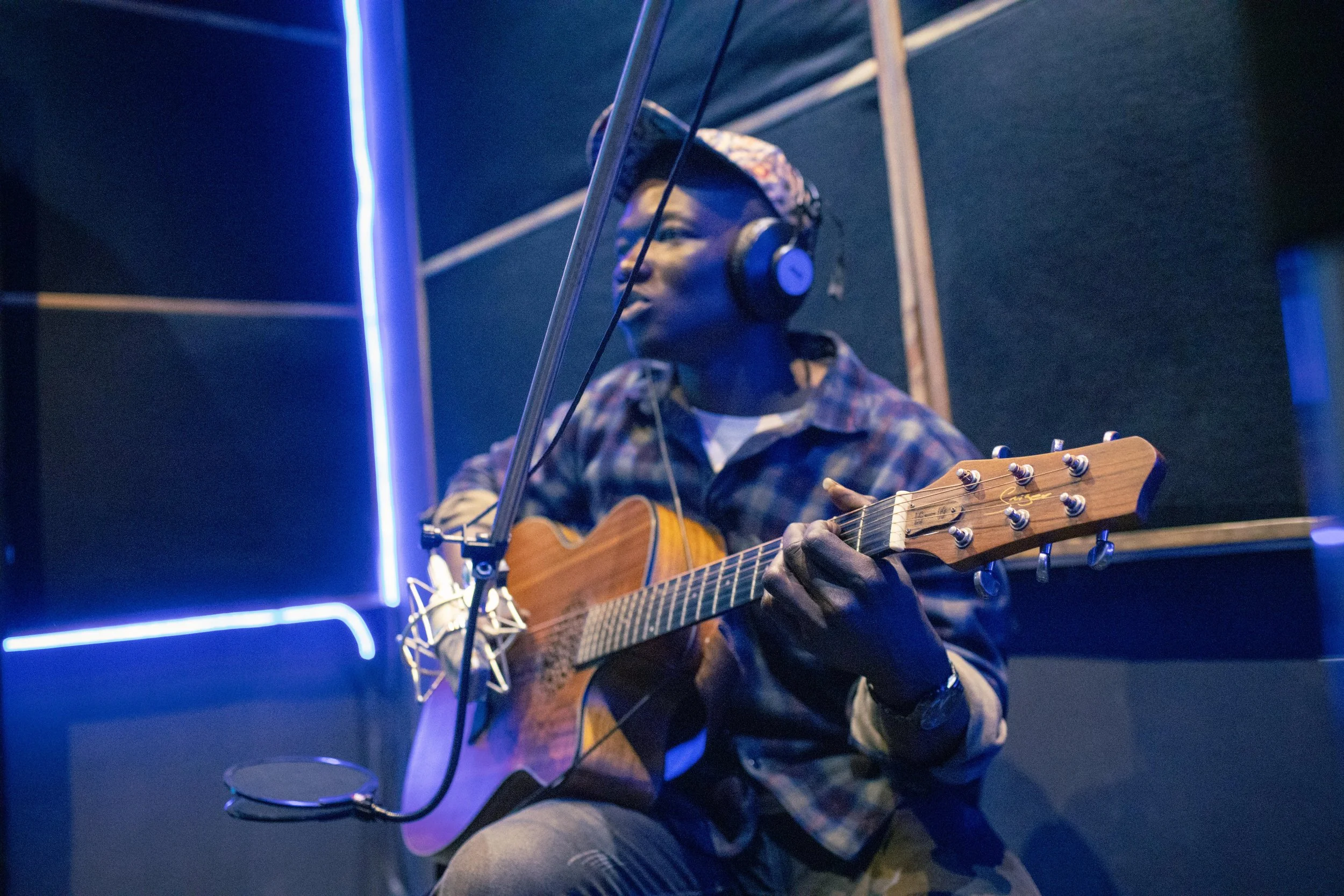
Guitarist, Adesokan Daniel Farewa
YD: So, what’s it like being a young musician in Nigeria, at a time when Afrobeats is dominating the globe, but day-to-day life can still be hard?
MU: Honestly, it’s a wild balance. It’s exciting, seeing Afrobeats on top charts, hearing Burna Boy or Rema everywhere, and knowing that’s our sound. But for upcoming artists? The struggle is real. Funds, access, visibility – it’s tough. But the passion? It keeps us going. Nigerians are resilient. We’ve got storms around us, political, economic – but we still dance. We still sing. We push because we want to put our city, our village, our stories on the map. So if you see me on a world stage one day, just know: that guy’s from a village called Idah In Kogi state, Nigeria.
YD: And he’s cleaning it up, too! Tell me more about Tales of War, as I know that speaks to some of the struggles that you’ve just been describing.
MU: Tales of War is a very special piece. I worked on it with an exceptional, wonderful artist named Remeh Barz. You know, it all came together while we were in the studio, just talking about the struggles of being an artist, especially being an artist in Nigeria. You have to gather your own resources to even record a song. Then there’s mixing, mastering, promotion, the whole stressful process.
And then the song just… happened.
The song says, "When the war is won, I will sing a song, tales of how I found my way." It’s about getting through all the hardship, finally making it to the top.
That’s what we call the Tales of War. It’s about the stories we’ll tell one day, when the struggle, the hustle, the fight to rise as artists.
It’s a beautiful song. Kind of spiritual, too. We referenced Surugede in it. Surugede is from the Igbo tribe in Nigeria. It means “the music and dance of the spirit”. It is believed that only a few are graced to dance it and live to tell the tales.
YD: I love that! Beautiful to weave the spiritual and tribal into your music too. So, as we close the interview, is there anything you’d like to add or say as closing words?
MU: Just – thank you. Thank you to Artist Project Earth. You believed in me, even from across continents. You sent resources, you trusted me, and you made the process so smooth. It’s rare. And it meant everything. I’m deeply grateful.
YD: It was an honour. And for [readers] who don’t know, we remotely organised the entire production of Our World. Studio sessions, back-and-forth via WhatsApp [laughs].
MU: [laughing] It was crazy – but it worked. And I’m proud of what we made.
YD: Thank you, Michael. Here’s to more anthems, more action, and more stories from Ida to the world.
MU: Thank you, Yasmin. Let’s make more music. Let’s make more change.
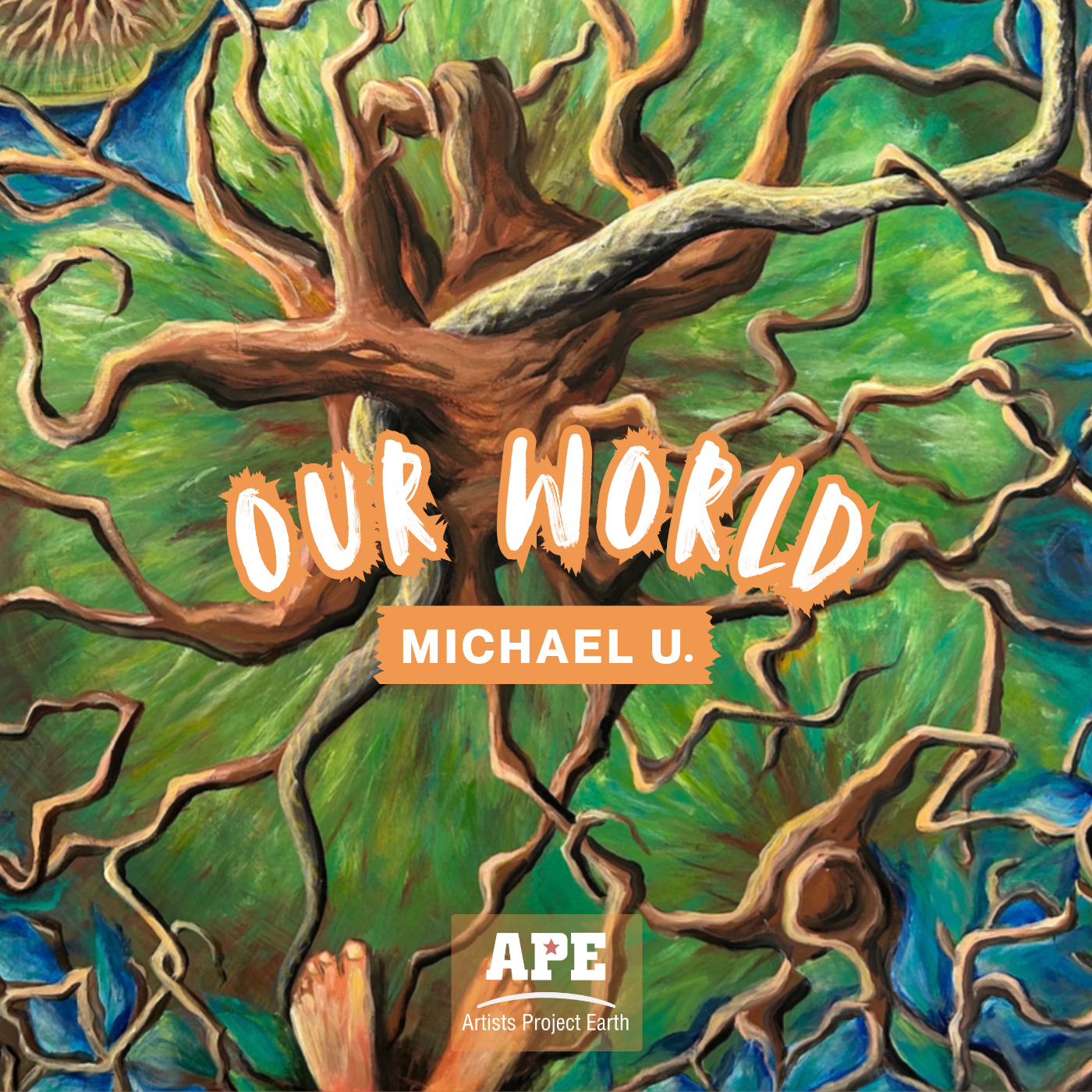
Our World is now available on all streaming platforms! Please do listen, share, and buy. All royalties will be split between Artists Project Earth and the artists themselves to continue supporting them beyond the competition!