
Sewage spills force elite athletes out of River Thames during 200km swim to Westminster
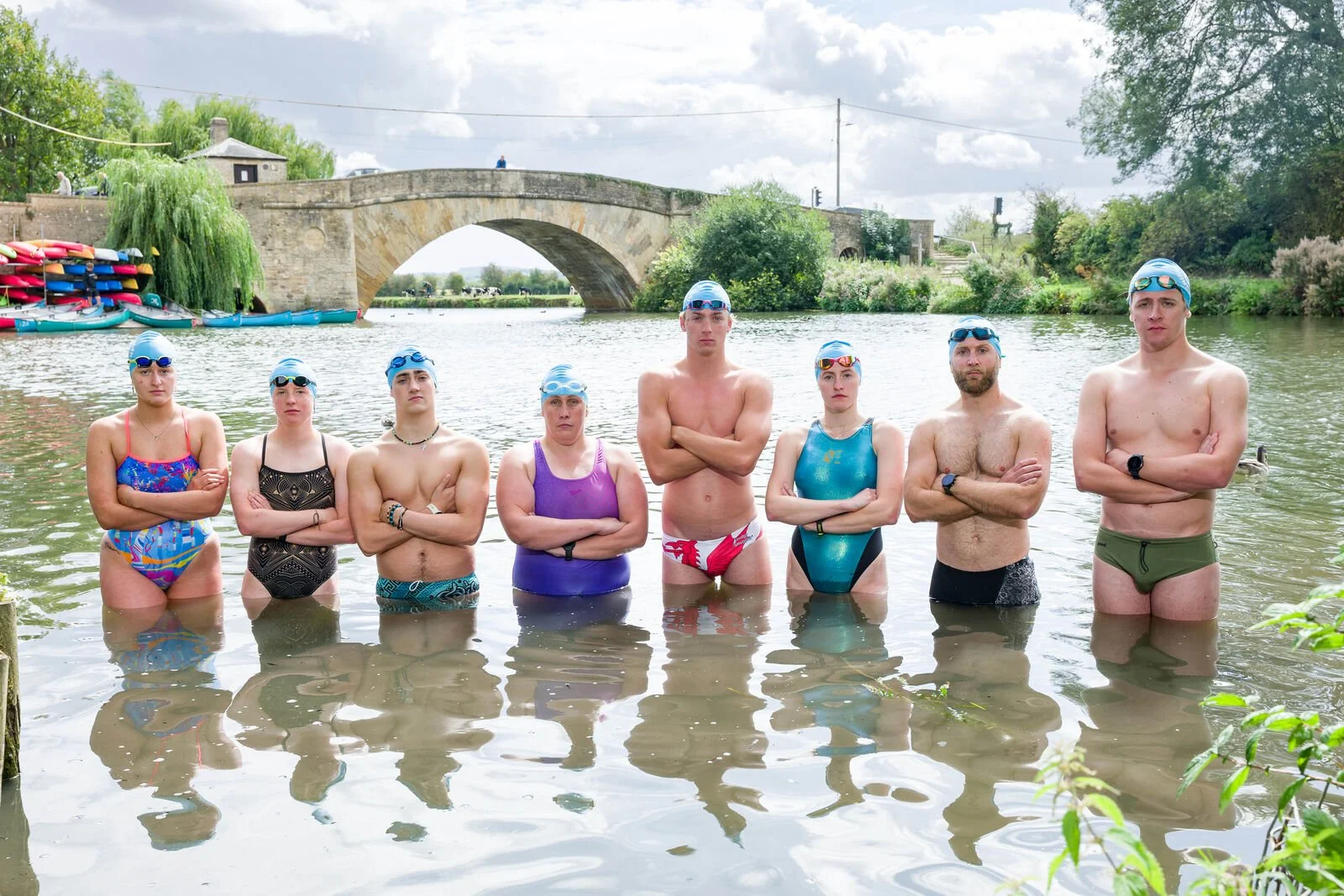
Eight world-class and Olympic swimmers representing the UK’s four nations have completed the Thames Swim Against Sewage, a 200km relay from the source of the river to Teddington Lock, but were repeatedly forced from the water by pollution, abandoning their record attempt.
The nonstop three-day challenge, organised by environmental charity Surfers Against Sewage (SAS), was designed to highlight the scale of the UK’s sewage crisis. That message was brought into sharp focus when swimmers were forced to exit the water at multiple points due to poor water quality on the River Thames.
Water quality testing by citizen scientists from Henley-on-Thames and Friends of the Thames reported dangerously high levels of E. coli, forcing the swimmers out at Marsh Lock and preventing re-entry until Hambledon Lock. Further downstream, testing by the River Thames Water Quality Testing Group and Windsor RiverWatch showed consistently high E. coli levels near Little Marlow sewage treatment works, pausing the swim again until Cookham.
That same night, the SAS DataHQ live CSO map showed discharges near Old Windsor and Chertsey. With no real-time monitoring from the regulator to confirm the risk, the swimmers were forced to exit once more, losing 15km of the swim before re-entering at Shepperton Lock.
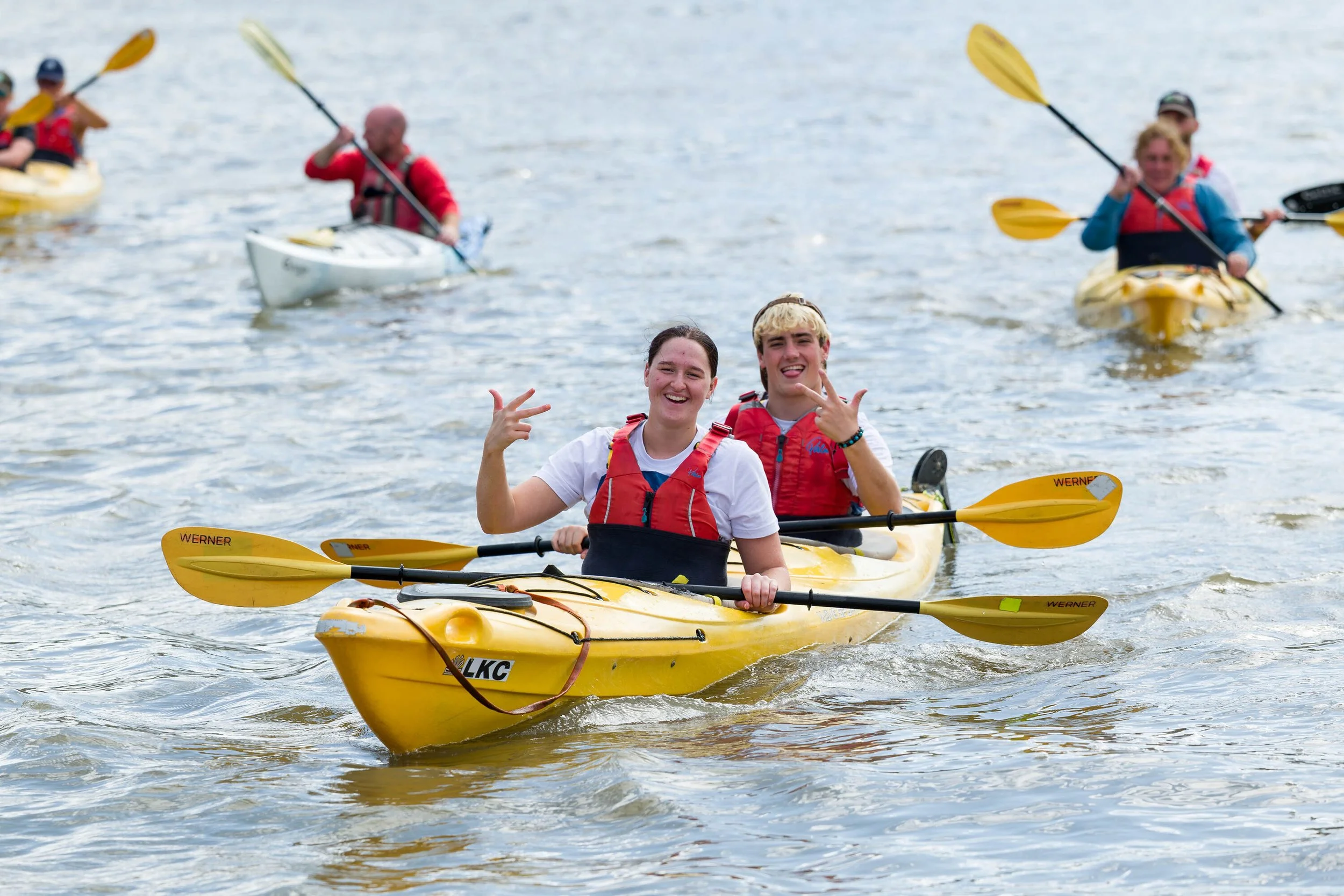
The relay began at Lechlade in Gloucestershire on Monday 1 September, with the swimmers taking turns to cover the 200km+ route day and night. Passing through Oxford, Reading, and Marlow, the team reached Teddington Lock on the morning of Thursday 4 September. From there, they joined a flotilla of kayaks, boats, and community supporters for the final stretch to Westminster. Their arrival coincided with Parliament’s return from summer recess, carrying a united call for urgent reform of the UK’s water system.
A national crisis
SAS data shows sewage was dumped 1,118 times into the designated bathing waters of England and Wales in July and August alone.
In 2024, there were 464,056 recorded sewage discharges across the UK, with the true figure likely closer to one million.
Thames Water has discharged sewage more than 7,000 times this year while facing record fines for environmental breaches.
Giles Bristow, chief executive at Surfers Against Sewage, said:
“This swim was never about setting records, it was about exposing the sewage scandal that is polluting our rivers, lakes and seas. The fact that citizen scientists found E. coli levels so high that the athletes could not safely swim through Henley shows how dangerous this crisis has become. Thames Water has become the poster child for a broken system, discharging sewage thousands of times while scrambling for investment and facing record fines. This swim has brought that reality into sharp focus. From swimmers taking on this challenge to communities monitoring their local rivers, people across the UK are stepping up to highlight the problem. But only Government can deliver the reform we urgently need. Our message to Keir Starmer is simple: match that determination with urgent action to end the sewage scandal.”
Amber Keegan, GB ultramarathon swimmer, said:
“This was one of the toughest challenges I’ve ever taken on, but what shocked me most wasn’t the distance or the fatigue, it was the state of the water. Some points along the Thames were absolutely disgusting, with E. coli levels more than four times higher than the threshold that would see a beach closed. We had live water quality testing on the boat, so we knew when it was safe to stay in the river. But people who swim or paddle here every day don’t have the luxury of that information, and so can be unknowingly putting their health at risk. That’s what makes me furious — communities should not be left in the dark. At a time when we’re in a cost of living crisis, water should be free and accessible to everyone, but right now it isn’t. Nobody should have to risk their health just to enjoy their local river. It’s 2025, and this simply isn’t acceptable.”
Calum Maclean, Scottish outdoor swimmer and adventurer, said:
“This was a tough week that tested us all, and when my shoulders ached it was the communities along the Thames that lifted me. Their love for their waterways and their determination for cleaner, safer rivers kept us going. This wasn’t just a big swim adventure, it was a big swim adventure with a purpose — to show what’s at stake if pollution continues. The fact we literally couldn’t swim the full route proves our point, and I hope one day an uninterrupted Thames relay will be possible.”
Hector Pardoe, Welsh Olympian, said:
“We’ve just swum the length of the Thames. It was a lot of pain, but pain with a purpose. My message to the Government is simple: make real change and clean up our waterways.”
Emily Forwood, Welsh swimmer, said:
“This swim has been a true test of physical and mental endurance for everyone involved. It was incredibly disappointing that we couldn’t swim certain sections because of dangerous pollution levels- it shouldn’t be this way. Everyone deserves access to clean, safe waterways. I hope the awareness we’ve raised through this challenge takes us one step closer to real change.”
Event details
Swim distance: 240km, 1–4 September
Route: Source at Lechlade, Gloucestershire, to Teddington Lock, with flotilla from Putney to Westminster
Record attempt abandoned after unsafe water quality confirmed by citizen science testing