
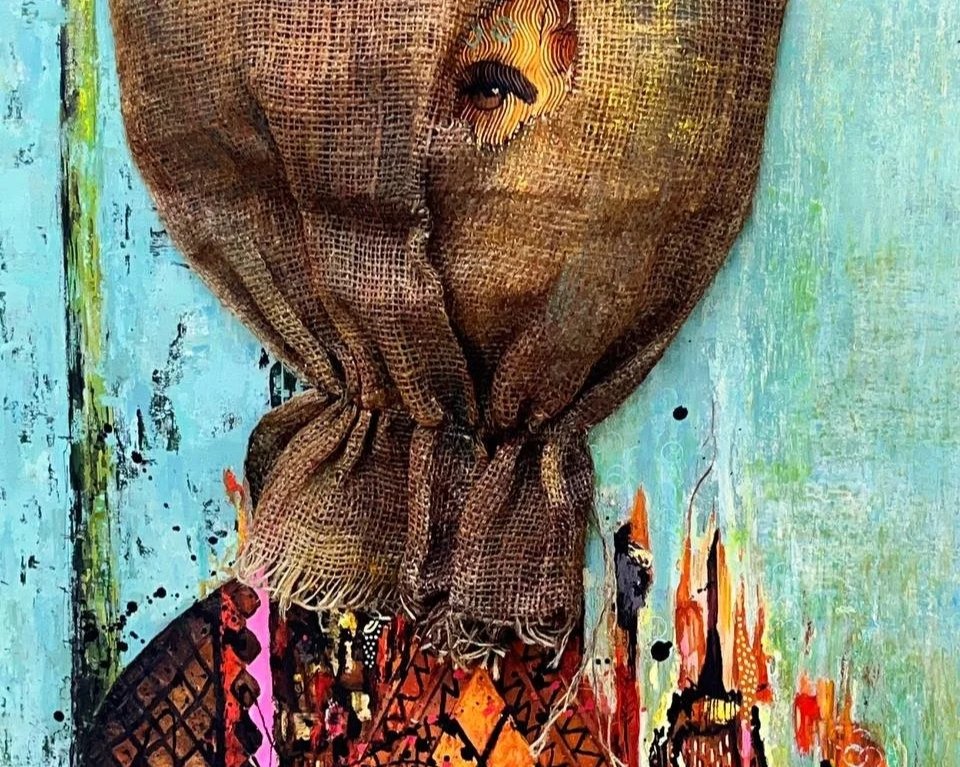
Amaal Saeed
Ahwaz, Iran
Amaal Saeed is an Iranian artist based in Ahwaz whose work explores identity, consciousness, and the intimate relationship between people and place. Trained in urban planning, she draws upon painting as a way of expressing what unfolds both within individuals and within society.
Living in one of Iran's most strategically important yet environmentally and politically fragile regions, Amaal has witnessed how prolonged conflict, ecological degradation, and social pressures leave traces not only on landscapes but also on the human spirit. Her paintings emerge from this lived experience, creating contemplative spaces where inner transformation becomes possible.
As she explains:
"My art is a blend of my personal experience and the pain I witness around me."
Working intuitively, she describes her creative process as "a continuous cycle of destruction and rebuilding," allowing each work to evolve beyond predetermined meanings and inviting viewers to construct their own emotional journeys.
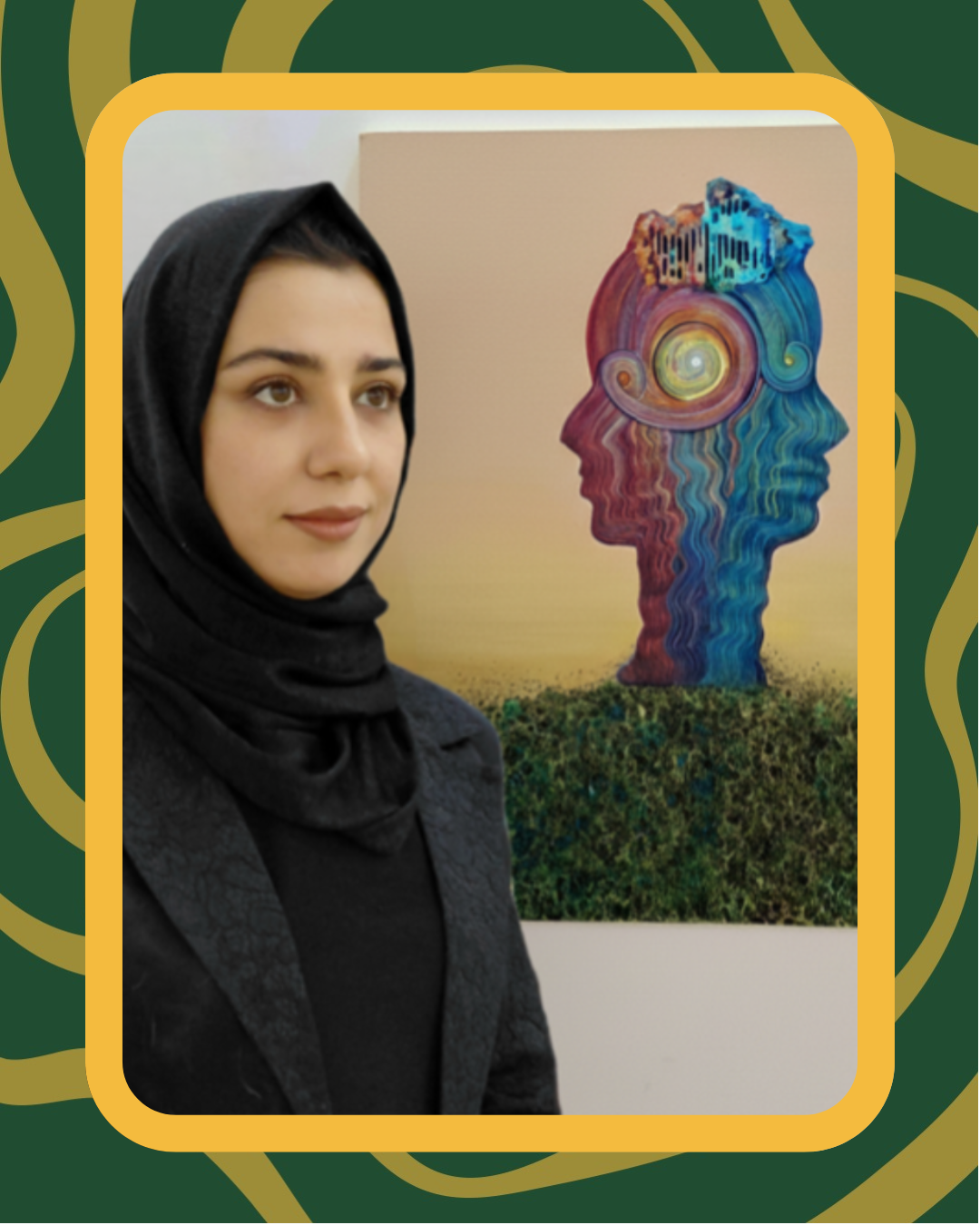
"My works invite the viewer to enter, wander, get lost, create their own narrative, and sometimes confront the limits of explanation."
Amaal Saeed

Al-Atabah – The Threshold: Crossing from Darkness to Insight
Acrylic on canvas, 100 × 150 cm
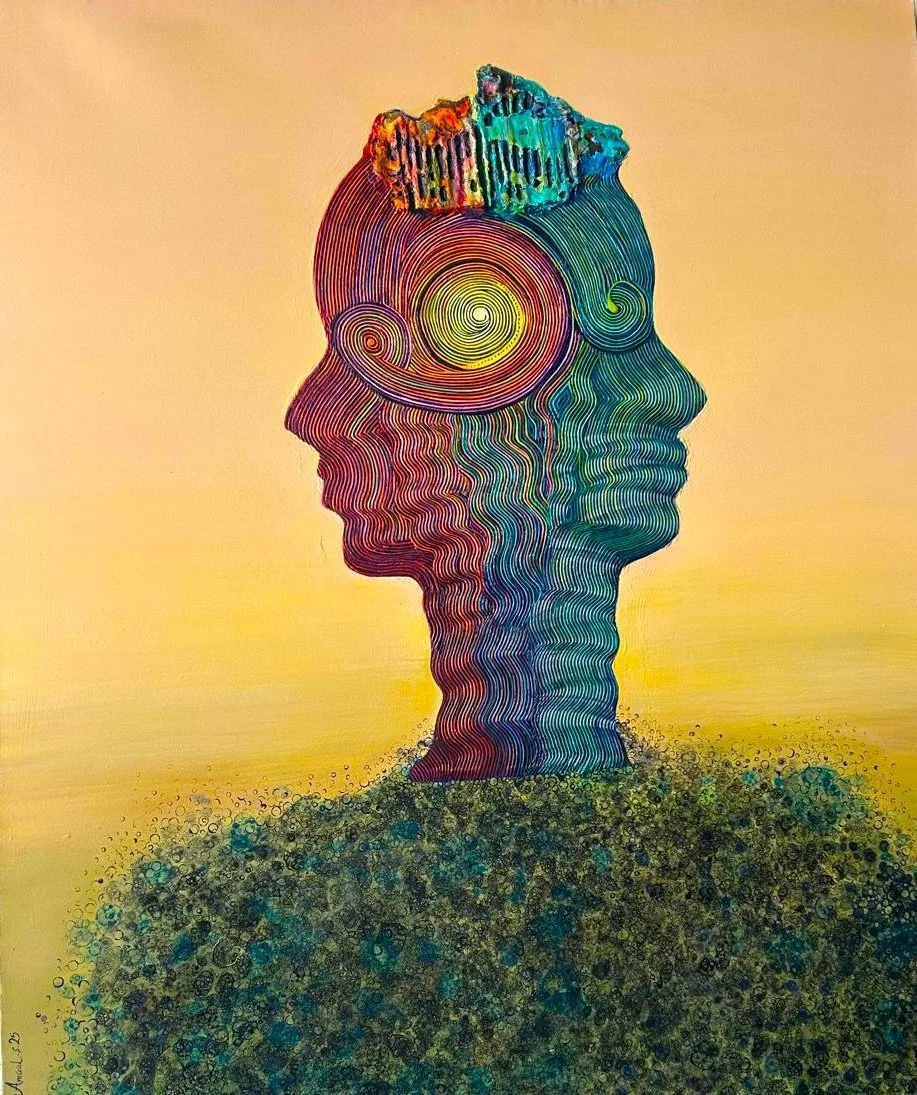
Al-Atabah – The Threshold explores transformation as an inner passage. The threshold is not a physical place but a moment of awakening, where clarity begins to emerge after prolonged experiences of fear, uncertainty, and loss.
The work reflects the movement from fragmentation towards wholeness. Consciousness unfolds gradually, suggesting that profound change often begins with the smallest spark of awareness. Throughout the painting, inner and outer worlds remain inseparable, inviting viewers to reflect on their own journeys across moments of transition.
As Amaal explains:
"This artwork is a contemplative journey into our inner world, reminding us that true light emerges from within—from where we illuminate our being."
Without depicting conflict directly, Al-Atabah speaks to the quiet transformations through which individuals recover hope, resilience, and a renewed relationship with themselves and the world around them.
Could you become the next caretaker of Al- Atabah The Threshold?
This artwork carries a story of place, memory and imagination. At the close of the exhibition, it can begin another journey.
If you would like to become its next caretaker, we invite you to make an offer. Your contribution will support Artists Project Earth in commissioning artists and supporting creative, environmental and humanitarian action around the world.
Themes in Amaal’s work
Thresholds of Transformation
Moments of transition become spaces where fear gives way to awareness and new possibilities emerge.
Inner Light
Consciousness begins with an inner awakening that illuminates the path through uncertainty
Land and Identity
Landscape and human experience are inseparable, each bearing the marks of history, memory, and belonging.
The Body as Territory
Personal experience reflects the conditions of the wider environment, carrying its fractures, pressures and resilience.
Destruction and Renewal
Creation unfolds through continual cycles of collapse, adaptation, and becoming.
Situated on the banks of the Karun River in southwestern Iran, Ahwaz is one of the country's most strategically significant cities. Rich in oil and natural gas, it generates enormous national wealth while many local communities continue to experience environmental degradation, economic hardship, and limited access to resources.
The city exists at the intersection of multiple pressures: extreme heat, dust storms, industrial pollution, water scarcity, and decades of political tension. Bordering Iraq, it also carries the enduring legacy of the Iran–Iraq War, while more recent regional conflicts and internal unrest have reinforced its strategic military importance.
These overlapping conditions have shaped Ahwaz into a city where environmental, social, and political realities cannot easily be separated. Everyday life unfolds within landscapes marked simultaneously by extraction, resilience, and continual adaptation.
Ahwaz: Between Abundance and Extraction
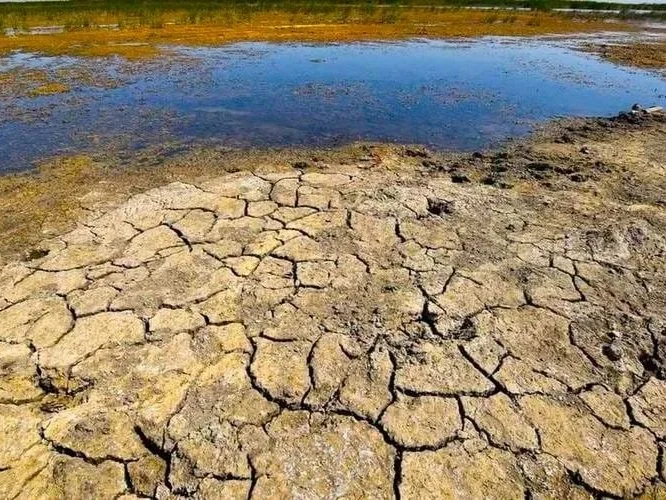
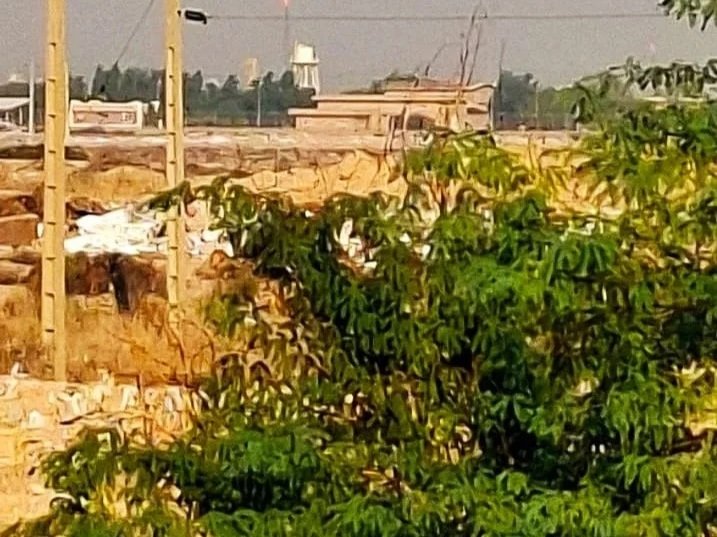
For more than four decades, Ahwaz has experienced conflict in multiple forms. Beyond the devastation of the Iran–Iraq War, the city continues to live with militarisation, political repression, environmental crisis, and recurring social unrest. Strategic infrastructure, civilian neighbourhoods, and industrial landscapes coexist within the same urban fabric, making conflict an enduring condition rather than a single historical event.
Women experience these pressures in particularly complex ways, facing economic inequality, cultural marginalisation, restrictions on opportunity, and the long-term consequences of environmental degradation alongside broader political instability.
Within this context, Amaal's work does not seek to document conflict. Instead, it explores the inner resilience that enables individuals to navigate uncertainty while preserving identity, dignity, and hope.
Living with Prolonged Conflict

Discover other Artists
-
Khin Thethtar Latt
Yangon, Myanmar
-
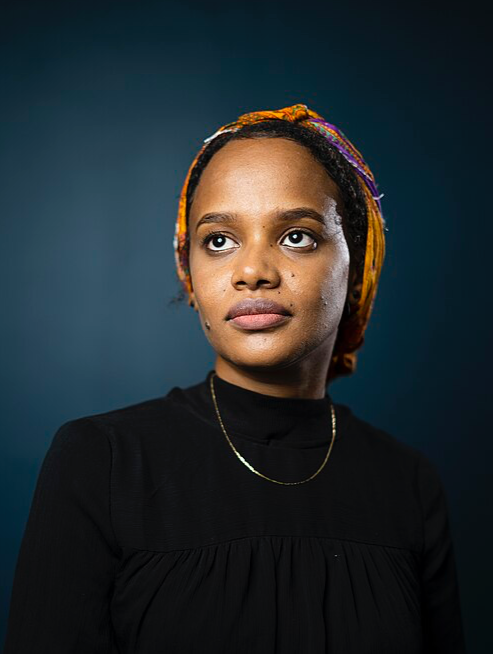
Amna Elhassan
Khartoum, Sudan
-
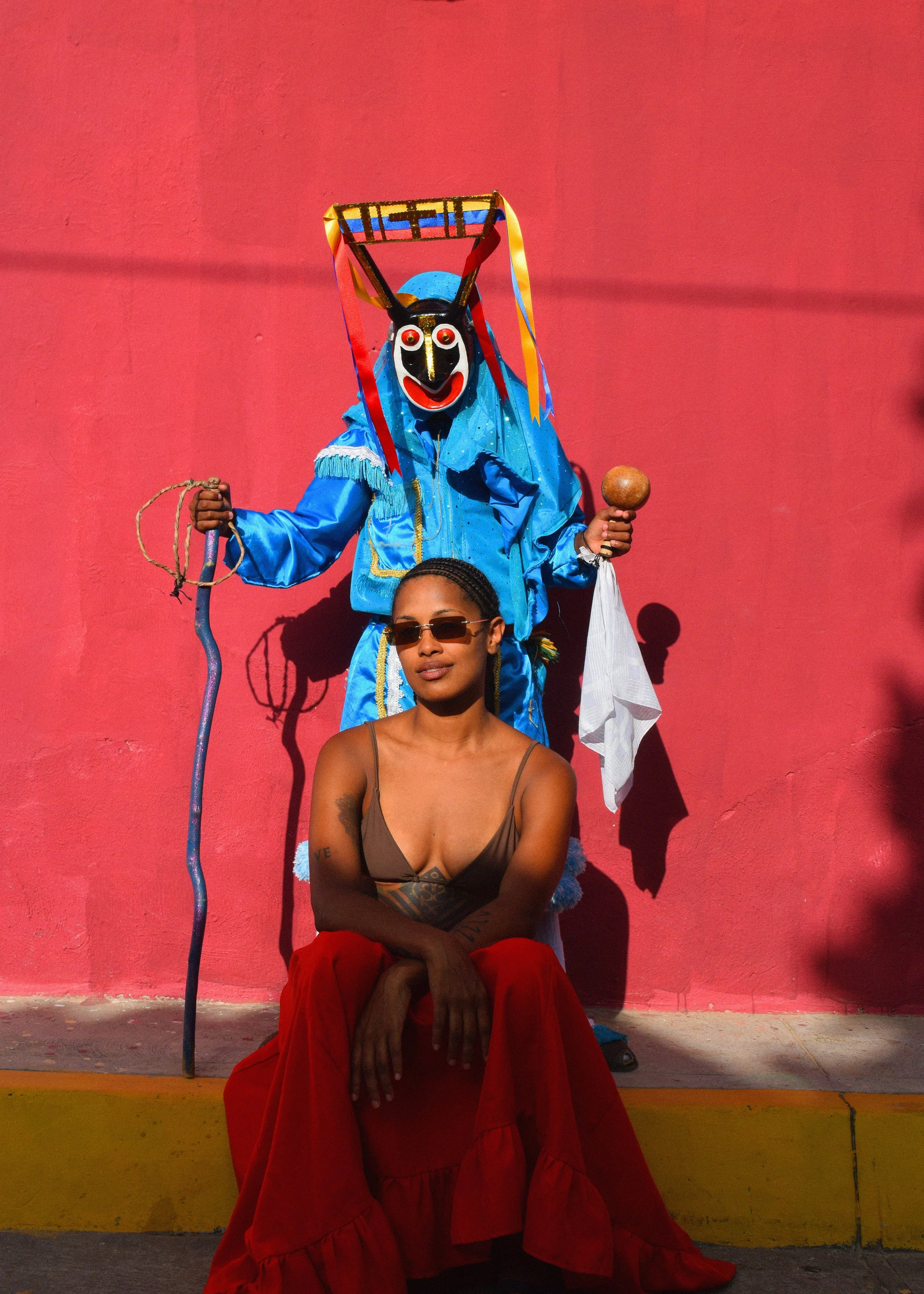
Dania Bucko
Caracas, Venezuela
-
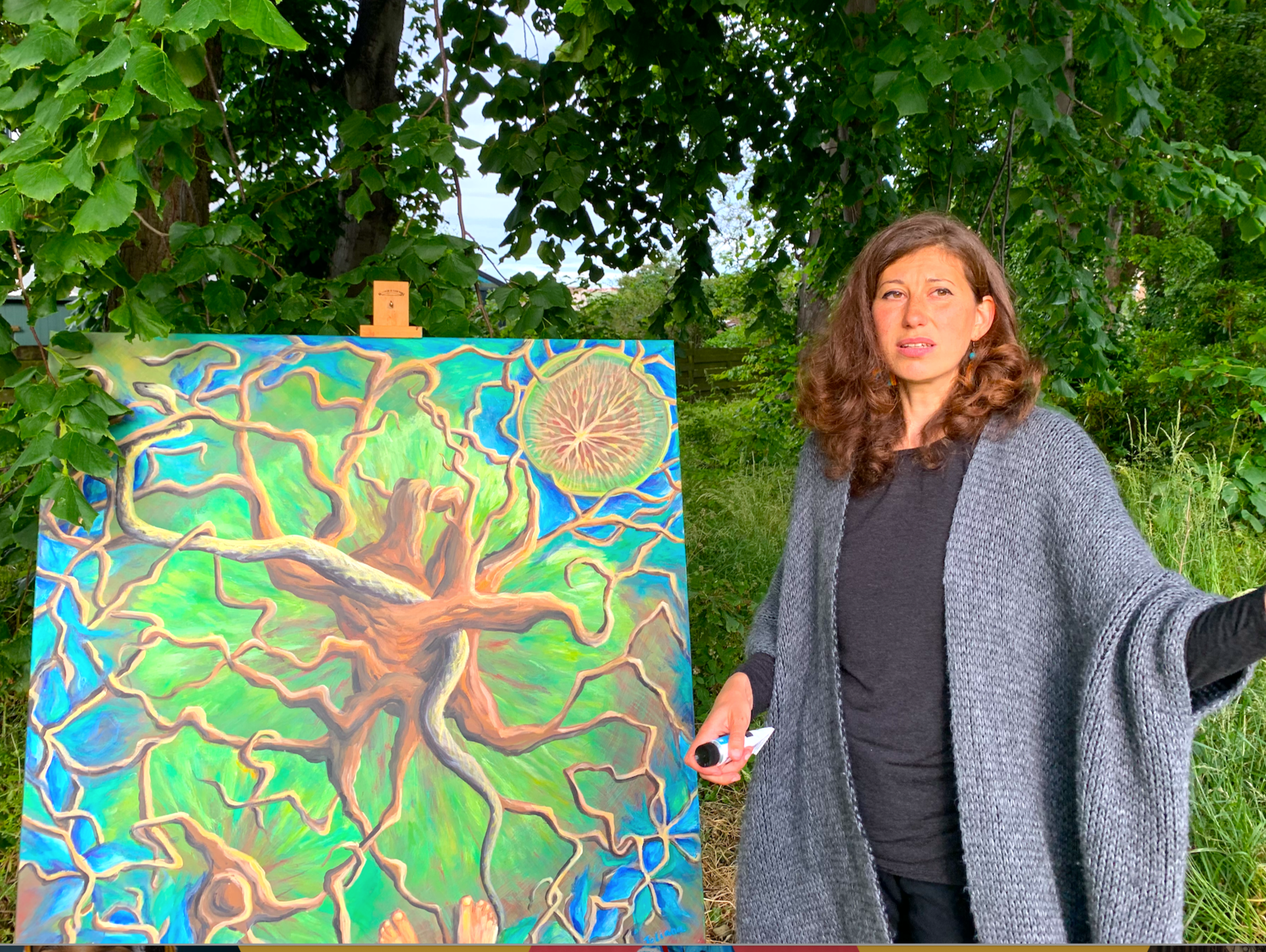
Tetiana Hurn
Zhmerynka, Ukraine
-
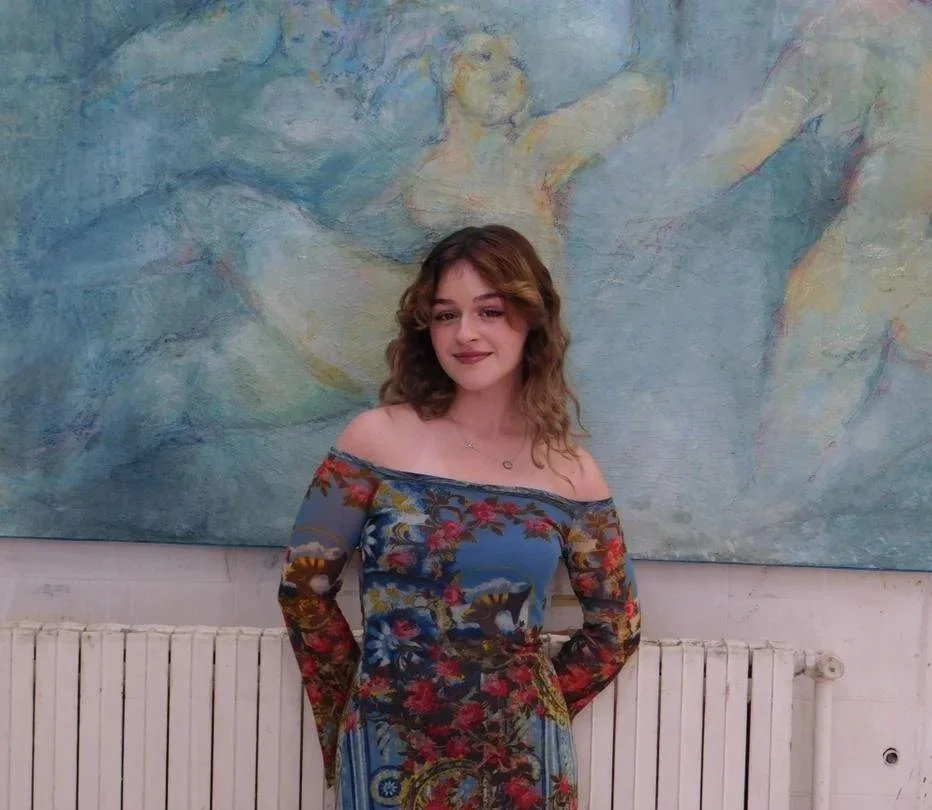
Rala Tarabishi
Damascus, Syria
-
Asmaa Alwhidy
Gaza, Palestine
-
Sarah Ndele
Kinshasa, Democratic Republic of the Congo