
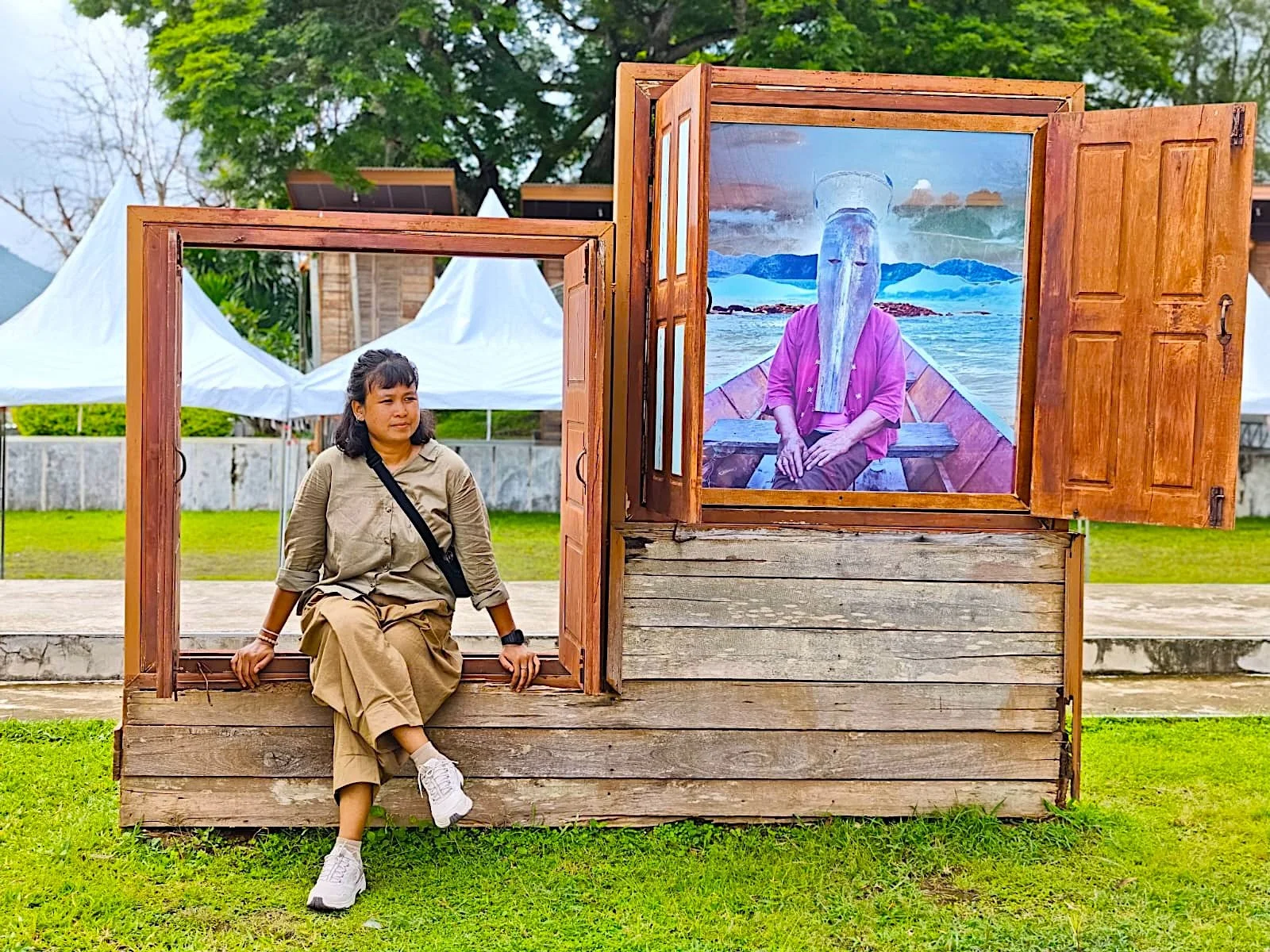
Khin Thethtar Latt
Yangon, Myanmar
Khin Thethtar Latt is an artist and documentary filmmaker based in Yangon whose practice moves across photography, film, performance, and mixed media. Working closely with lived experience, her work emerges from observation, embodiment, and the fragmented realities of contemporary Myanmar.
Rather than treating conflict as distant subject matter, her practice is rooted in proximity—to daily life, to testimony, and to the emotional textures of survival under prolonged political violence. Photography, moving image, montage, and the body itself become ways of responding to realities that are often silenced, interrupted, or erased.
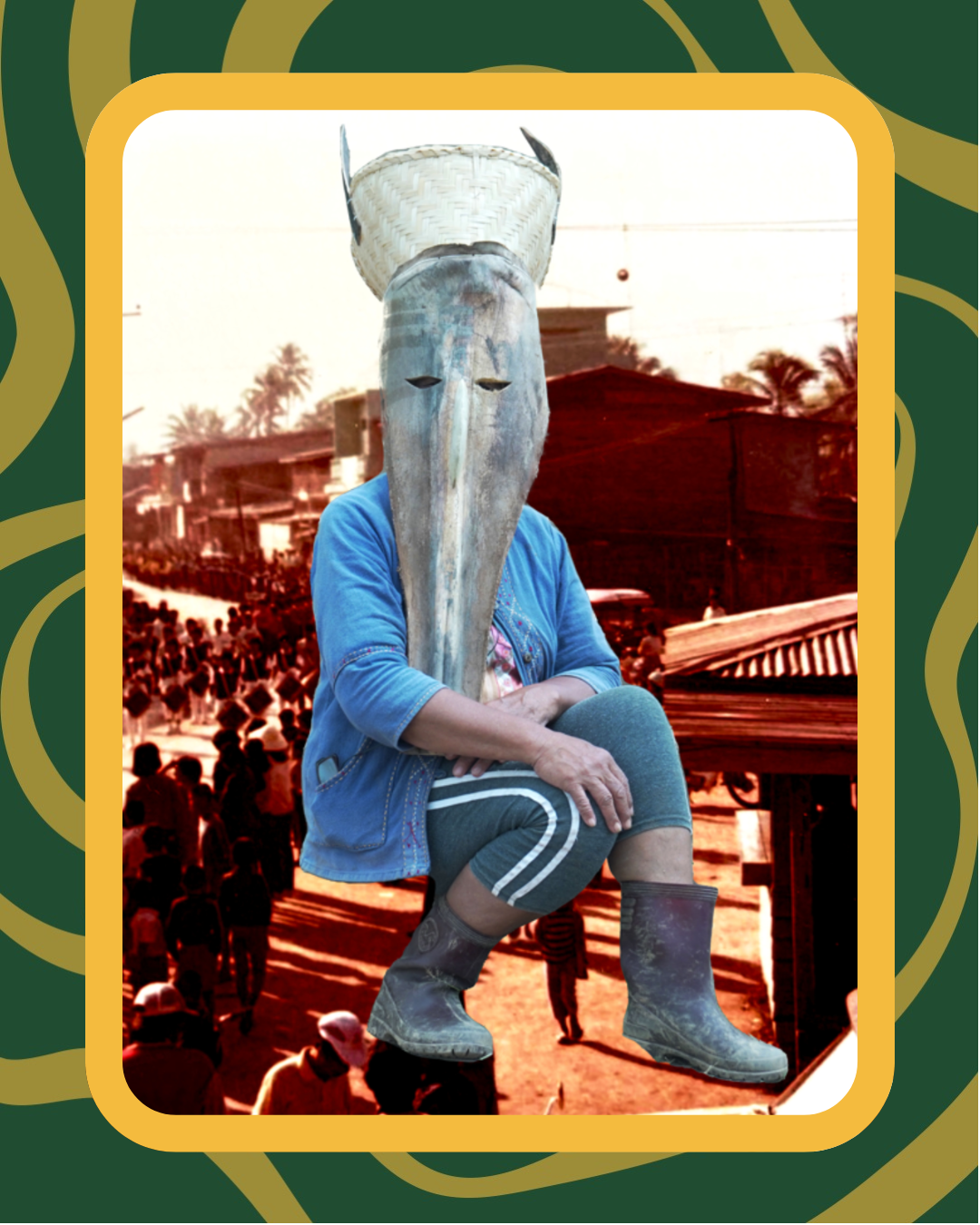
“My practice emerges from lived experience, transforming personal encounters with loss, change, and uncertainty into reflections, transformation and the wisdom of being human”
Khin Thethtar Latt

When We Lost Our Ghost
Photographic Montage 60×60 cm
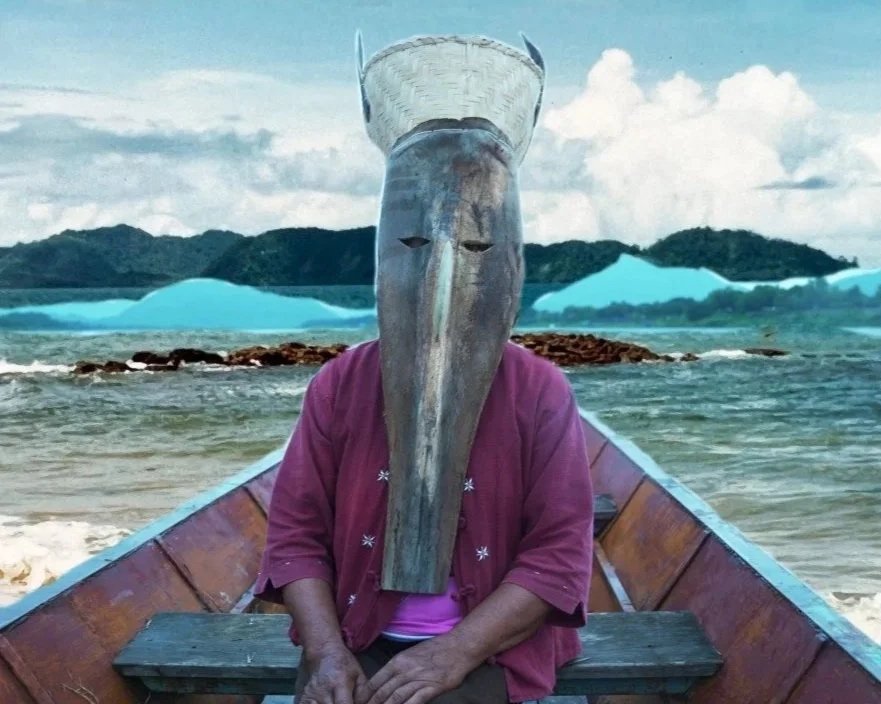
“I see the Phi Ta Khon mask as a powerful symbol of liberation. When one wears the Phi Ta Khon mask, they are momentarily freed from the constraints of their political identity, from the weight of social expectations, and from the rigid boundaries of gender. The mask becomes a playful, sacred space where people can transcend their usual selves. It invites a state of freedom where the body, spirit, and identity can move beyond assigned roles. Through this lens, Phi Ta Khon is not just a festival it is a portal to personal and collective liberation.”
When We Lost Our Ghost presents a solitary seated figure wearing a Phi Ta Khon mask while crossing water in a narrow wooden boat. The image feels suspended between ritual, displacement, dream, and disappearance.
Inspired by the Phi Ta Khon tradition, the mask becomes central to the work’s emotional and political language. Traditionally associated with a festival of spirits, transformation, and release, Khin Thethtar Latt reimagines the mask as a symbol of liberation within a society shaped by repression and fear.
The work unfolds through layers: photography, performance, masking, memory, and staged fiction intertwine until the image becomes neither documentary nor fantasy, but something suspended between the two.
Water operates both as landscape and metaphor suggesting migration, uncertainty, crossing, exile, and emotional distance. The seated body appears calm yet unresolved, moving forward without clear arrival.
The mask conceals identity while simultaneously expanding it. Protection and disappearance coexist. Gender becomes fluid, unstable, and temporarily released from social prescription. In a climate of surveillance and political repression, concealment itself becomes a condition of freedom.
The title, When We Lost Our Ghost, evokes collective rupture: the disappearance of certainty, innocence, safety, memory, or perhaps even the feeling of being fully present in one’s own country. Yet the work refuses despair. Instead, it creates a poetic space where transformation remains possible.
Could you become the next caretaker of When we Lost our Ghost?
This artwork carries a story of place, memory and imagination. At the close of the exhibition, it can begin another journey.
If you would like to become its next caretaker, we invite you to make an offer. Your contribution will support Artists Project Earth in commissioning artists and supporting creative, environmental and humanitarian action around the world.
Themes in Khin’s work
Fragmentation
Reality appears incomplete, interrupted, layered, and unstable.
Masking and Liberation
The mask becomes both protection and transformation—a temporary release from imposed identities.
Body as Witness
The body becomes a site of memory, vulnerability, endurance, and return.
Resilience as Practice
Hope emerges not as optimism, but as the daily act of continuing.
Ethical Observation
Witnessing without extraction; remaining close to lived experience.
Silence and Absence
What cannot be openly spoken becomes central to the work.
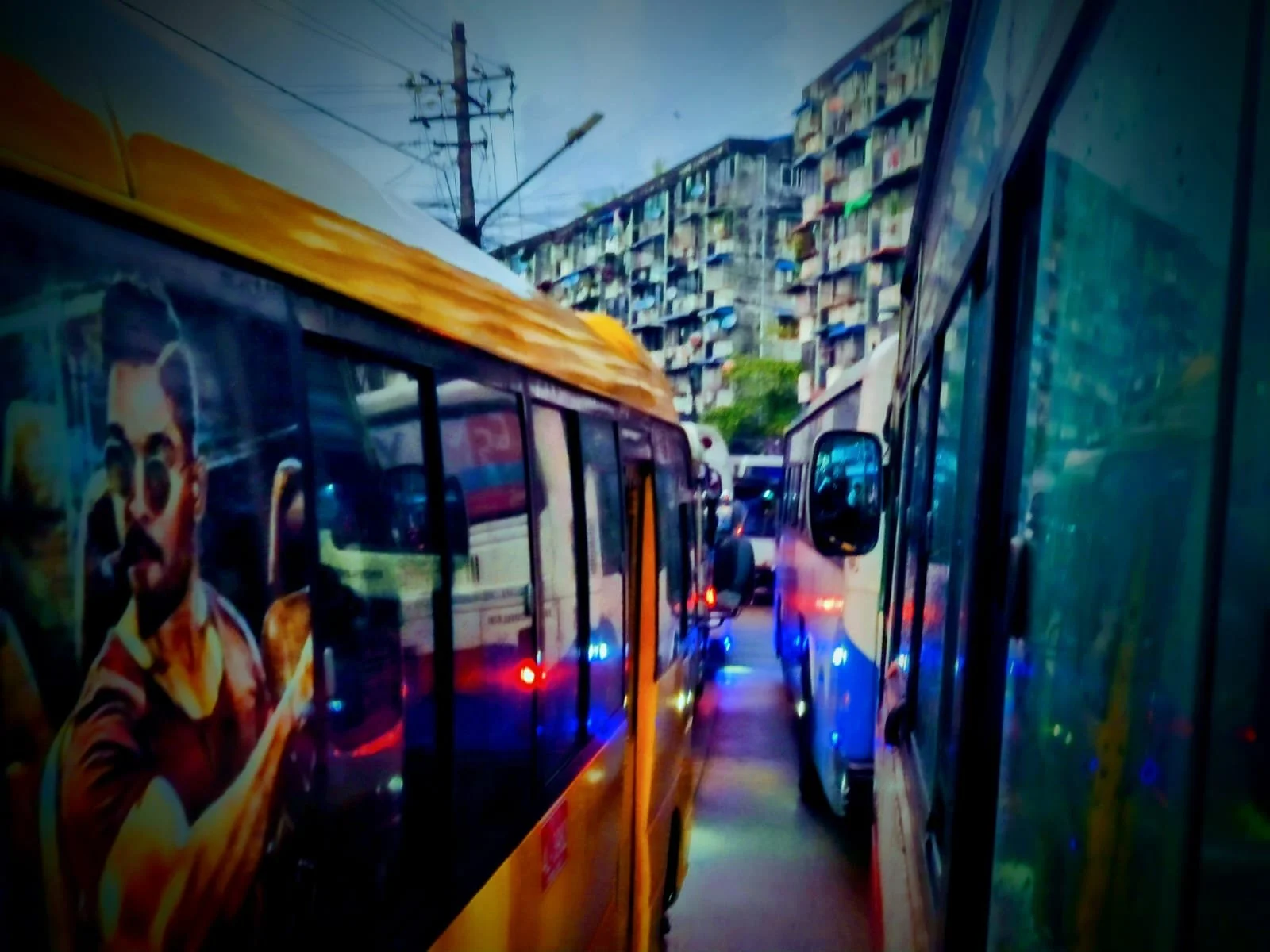
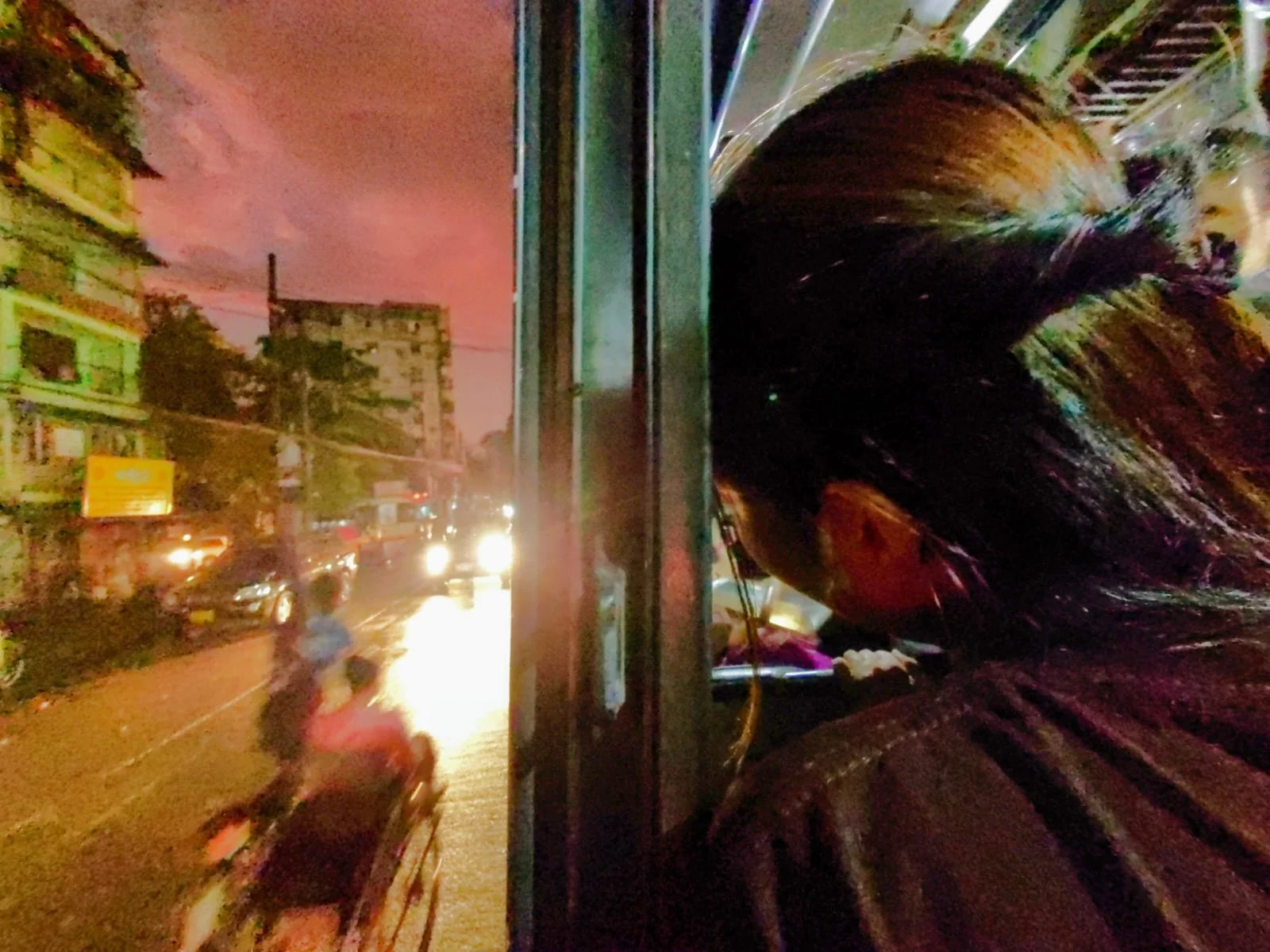
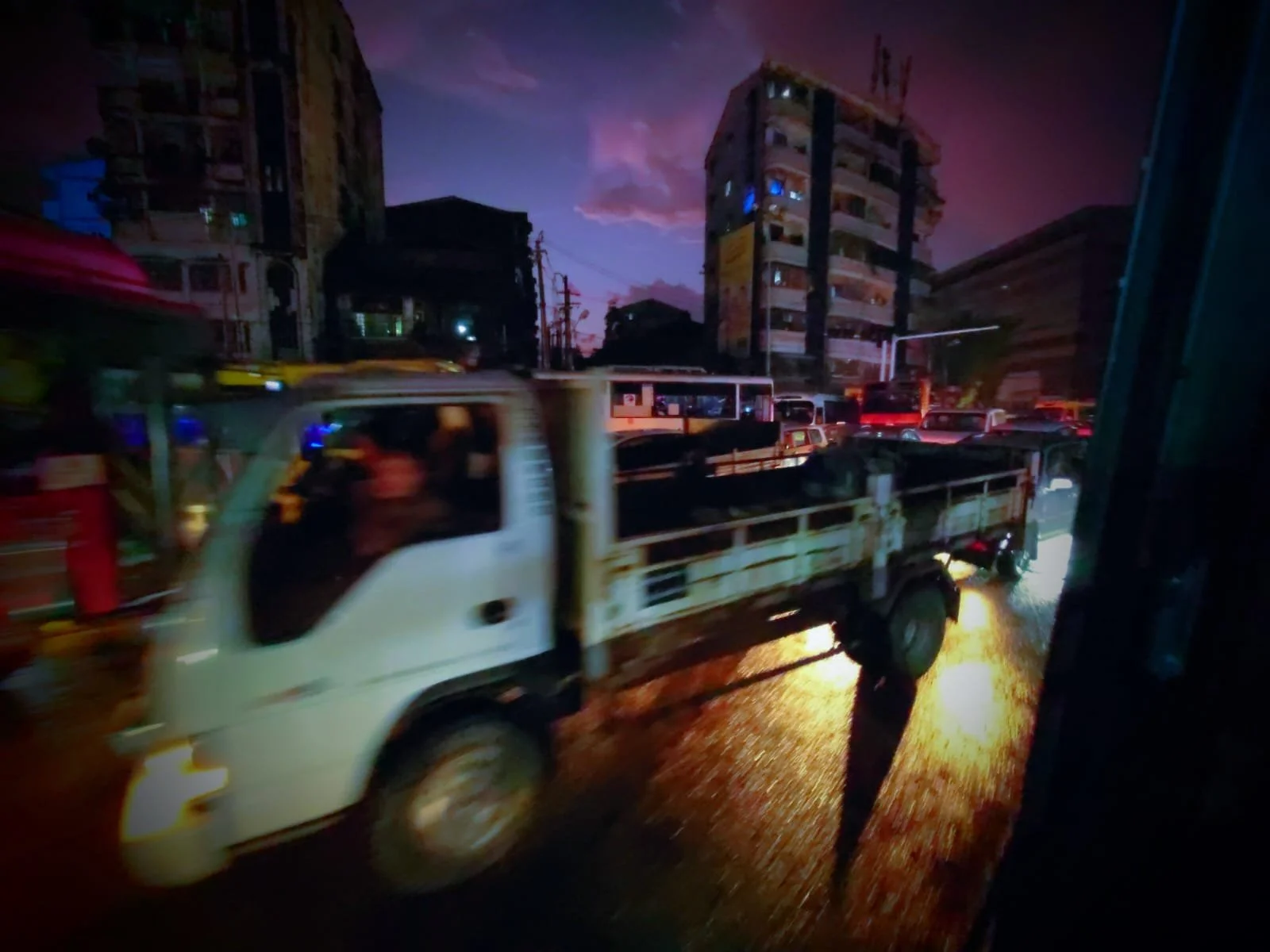
Yangon: A City of Silence and Continuity
Yangon, Myanmar’s largest city and former capital, remains the country’s cultural and emotional centre despite years of political upheaval and military repression.
Since the military coup of February 2021, Yangon has become a city marked by contradiction: outwardly functioning yet deeply fractured beneath the surface. Markets remain crowded, cafés stay open, traffic moves through colonial streets but fear, surveillance, censorship, economic instability, and grief permeate everyday life.
The city was one of the epicentres of mass protest following the coup. Demonstrations led by students, workers, artists, and civil servants were met with arrests, shootings, disappearances, and violent crackdowns. Many artists and activists were forced into hiding, exile, or silence.
Although much of the armed conflict now unfolds outside Yangon, the city continues to absorb the psychological and social consequences of war through displacement, economic collapse, blackouts, censorship, and collective exhaustion.
Yet cultural life persists. In Yangon, artistic practice often operates through coded language, improvisation, and subtle acts of resistance. Photography, performance, poetry, and film become ways of holding memory and sustaining human connection in a climate where public expression is increasingly restricted.
A Prolonged Crisis
Myanmar’s current conflict emerged after the military coup of 2021 but is rooted in much longer histories of authoritarianism, ethnic conflict, militarisation, and unresolved colonial legacies.
Years of violence, displacement, censorship, and economic collapse have generated a deep humanitarian crisis affecting millions across the country. Women and girls face heightened vulnerability to displacement, exploitation, and gender-based violence, while young people continue to navigate fear, uncertainty, and forced migration.
At the same time, many communities continue to sustain networks of solidarity, mutual care, artistic expression, and collective resilience despite severe restrictions.
Within this context, art becomes more than representation. It becomes testimony, refusal, memory, and a way of remaining human.
Discover the Artists
-
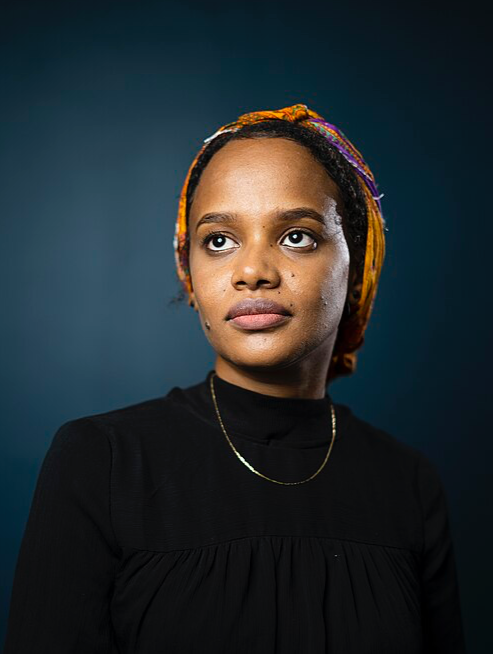
Amna Elhassan
Khartoum, Sudan
-
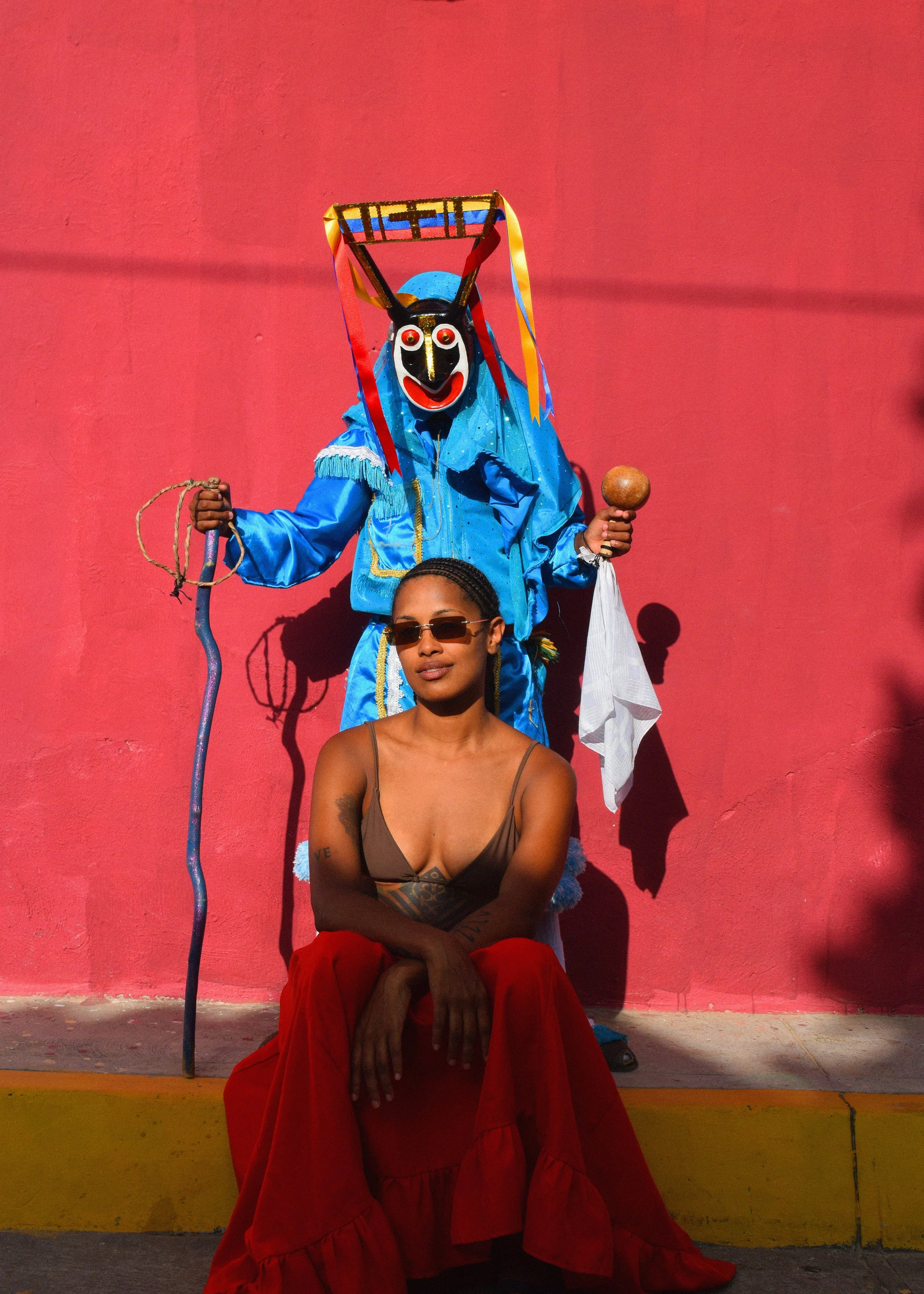
Dania Bucko
Caracas, Venezuela
-
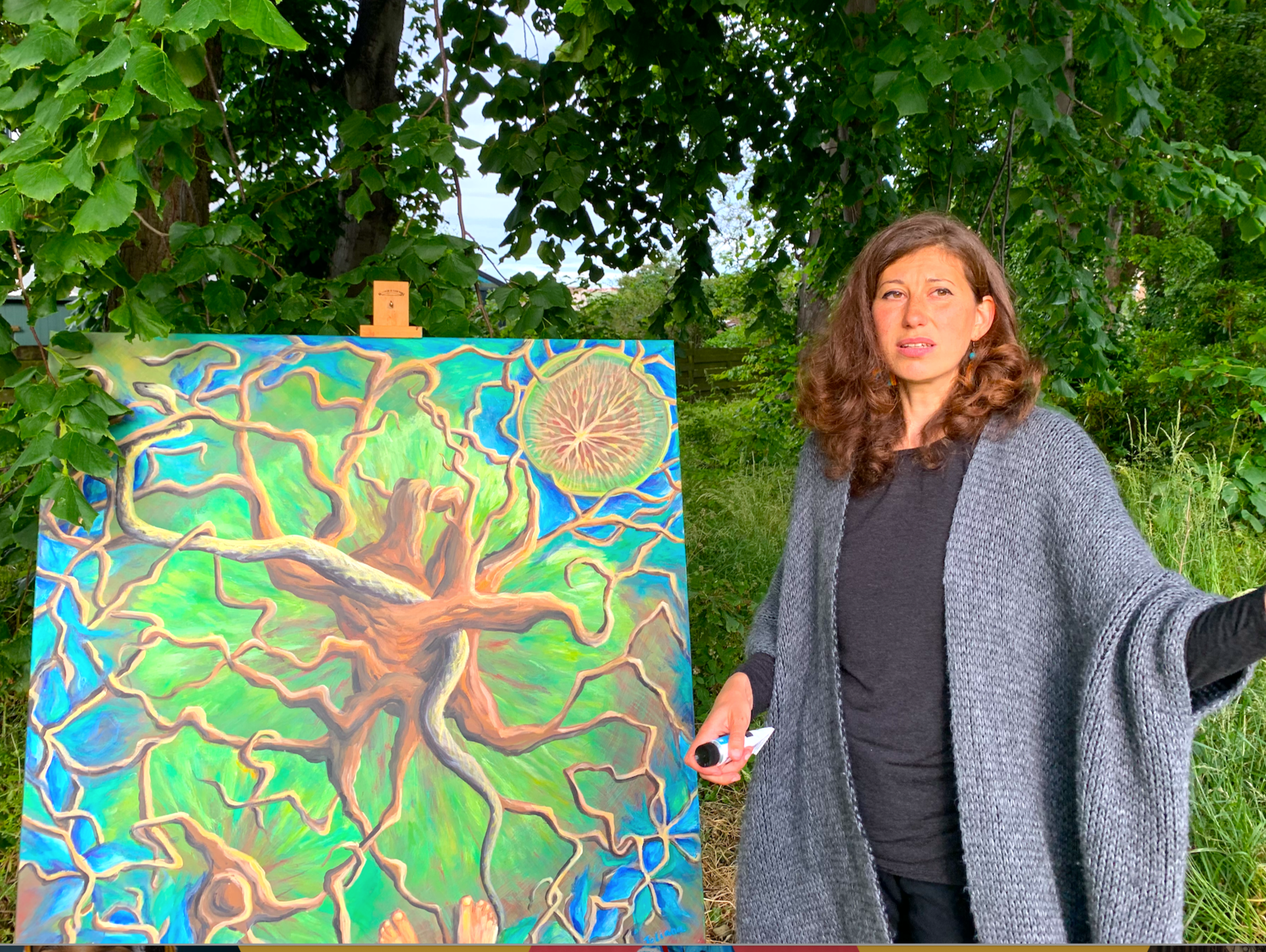
Tetiana Hurn
Zhmerynka, Ukraine
-
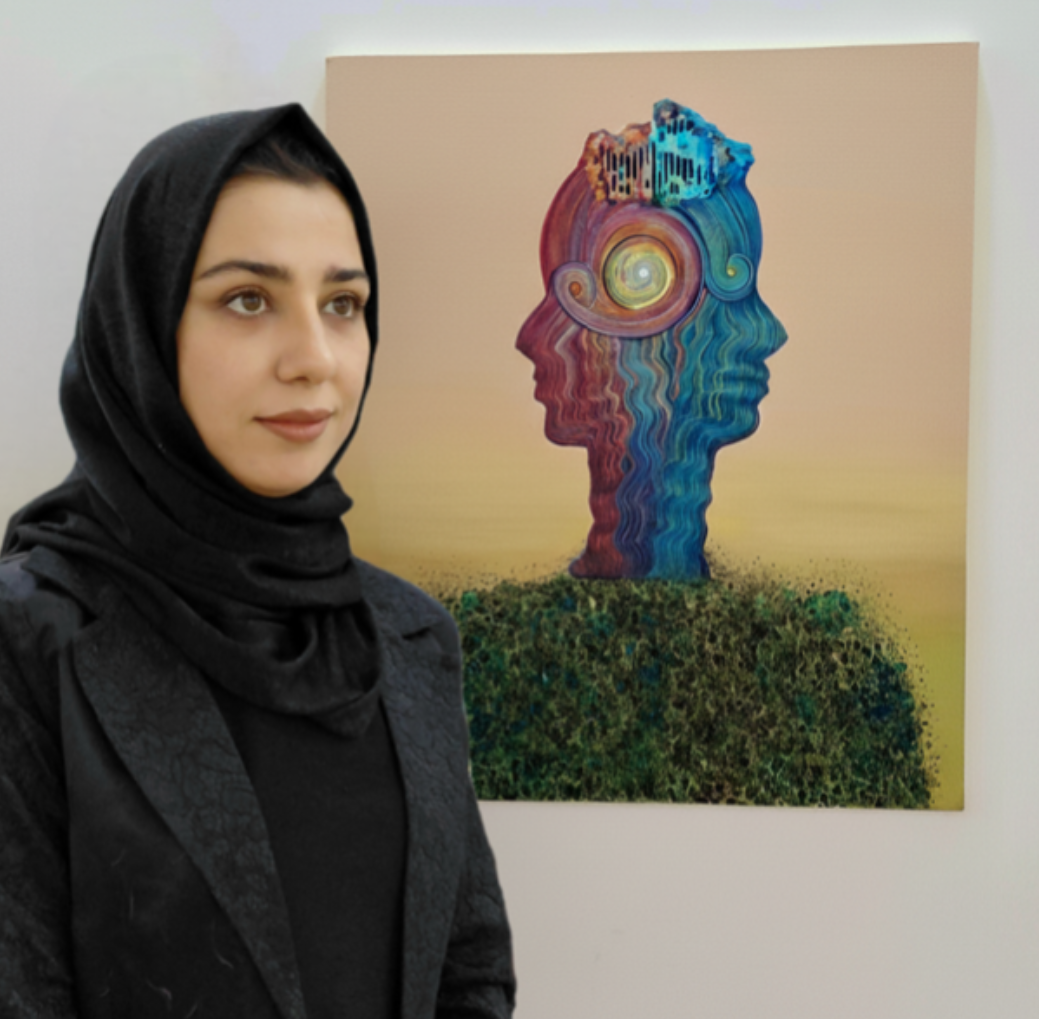
Amaal Saeed
Ahwaz, Iran
-
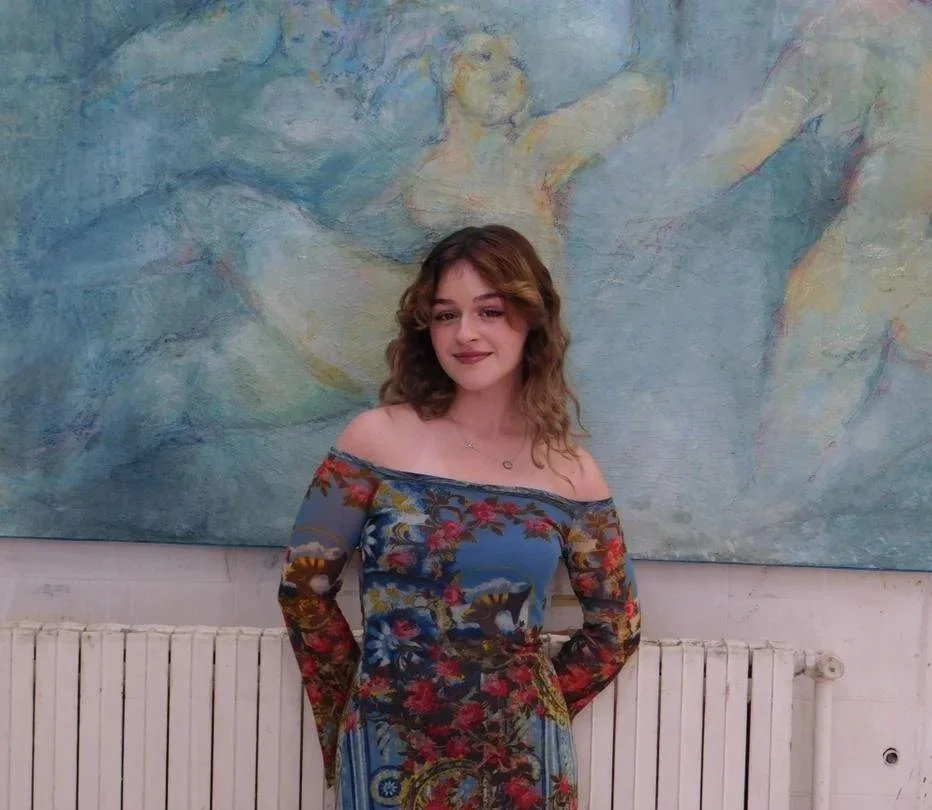
Rala Tarabishi
Damascus, Syria
-
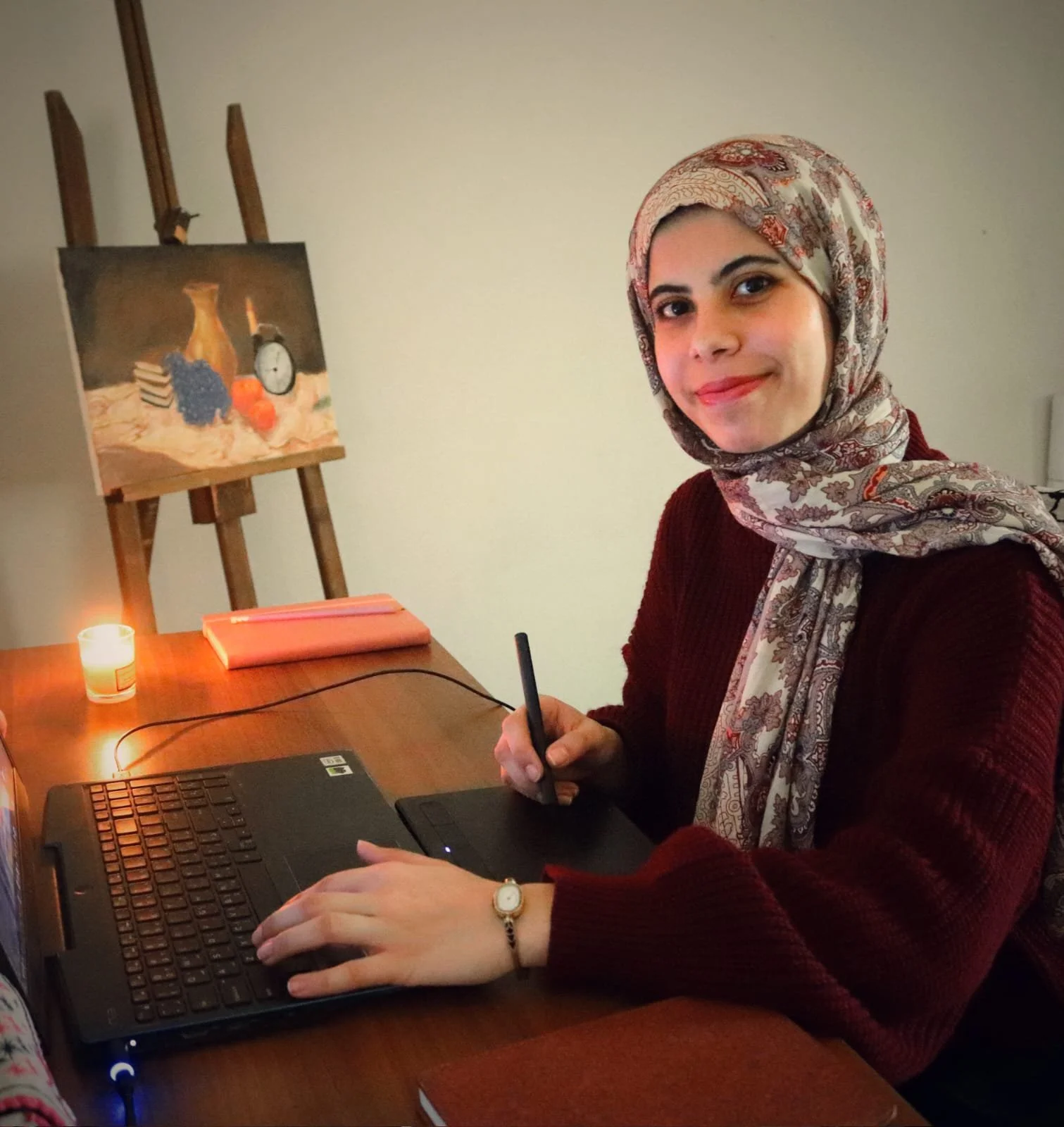
Asmaa Alwhidy
Gaza, Palestine
-
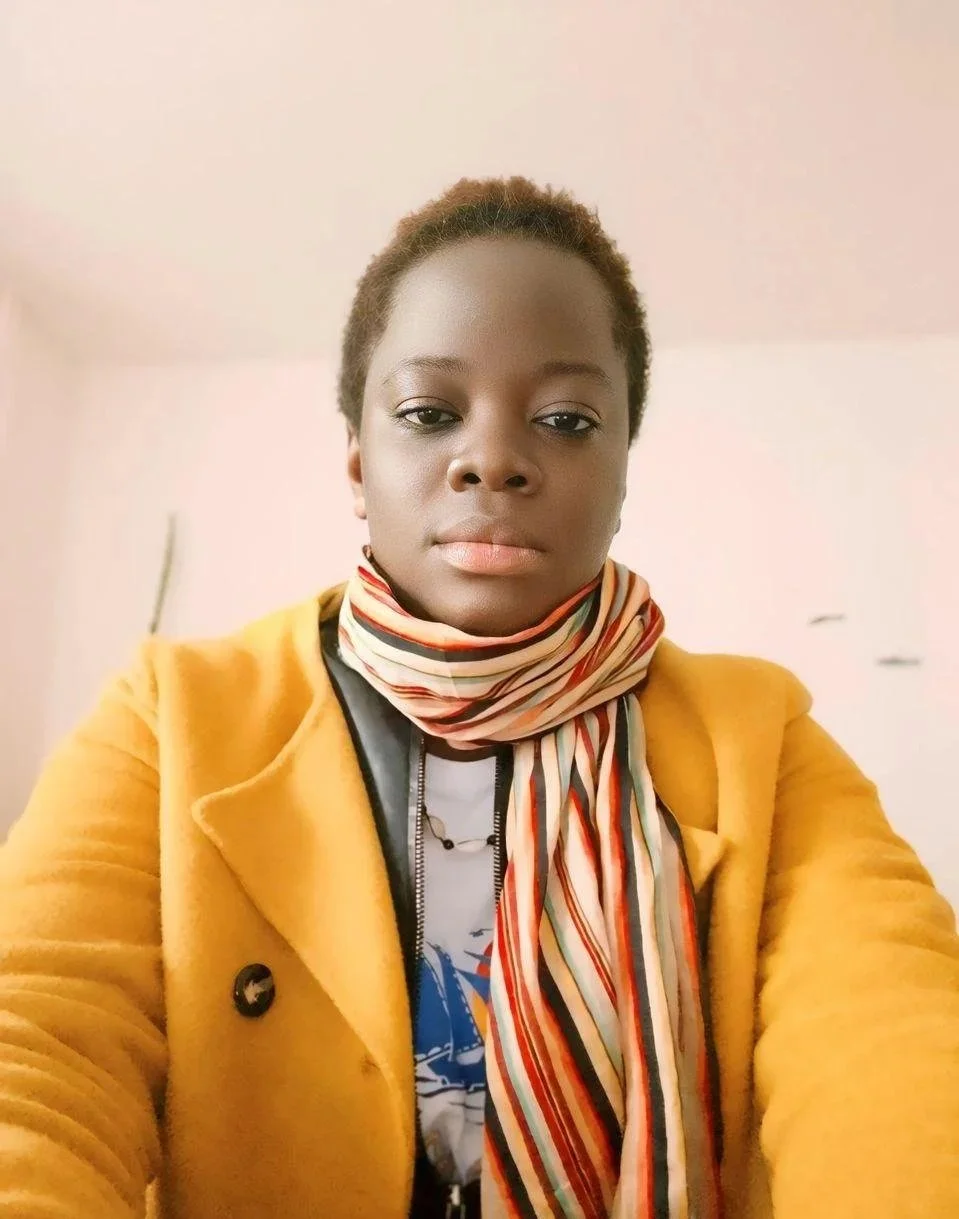
Sarah Ndele
Kinshasa, Democratic Republic of the Congo