
Amna Elhassan
Khartoum, Sudan

Amna Elhassan is a Sudanese visual artist and architect whose work explores the physical, emotional, and spiritual transformations experienced by women navigating uncertainty, displacement and social change. Drawing inspiration from the women of her community in Khartoum, her practice reflects on resilience, belonging and the search for spaces where life can continue despite disruption.
The outbreak of war in Sudan in April 2023 profoundly altered Amna's own life. Forced to leave Khartoum with her family, she joined millions of Sudanese displaced by the conflict. Yet even while in transit, moving between Khartoum, Wadi Halfa, Cairo, and eventually Saudi Arabia, she continued to create.
For Amna, art is a way of carrying hope across borders and preserving an inner sense of continuity amid profound uncertainty.
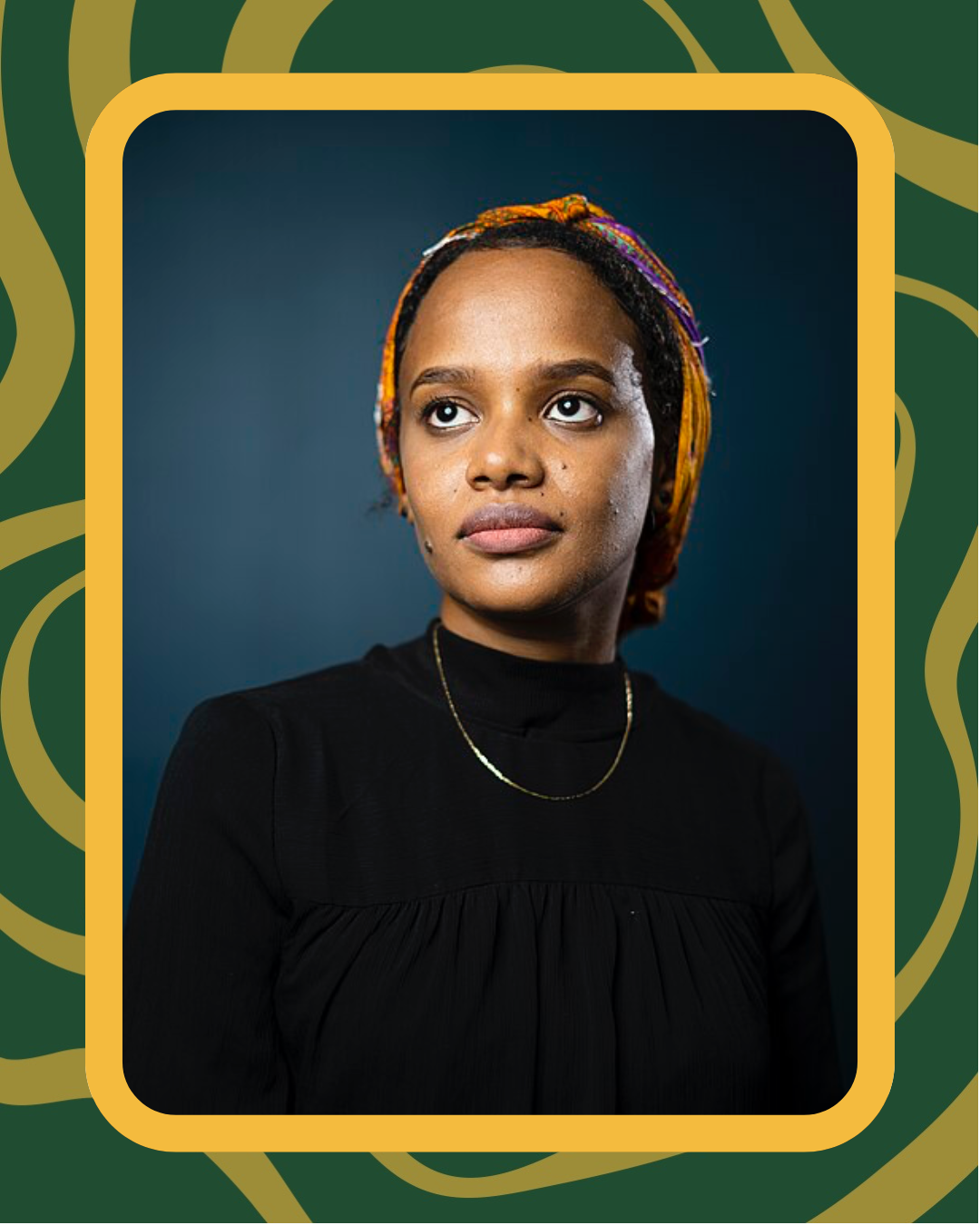
"The main feature of the artwork is the presence of this figure, free in the world of dreams. I want to remain resilient and hopeful despite all the chaos and amid all these transformations. My work is about the relentless pursuit of a brighter horizon."
Amna Elhassan

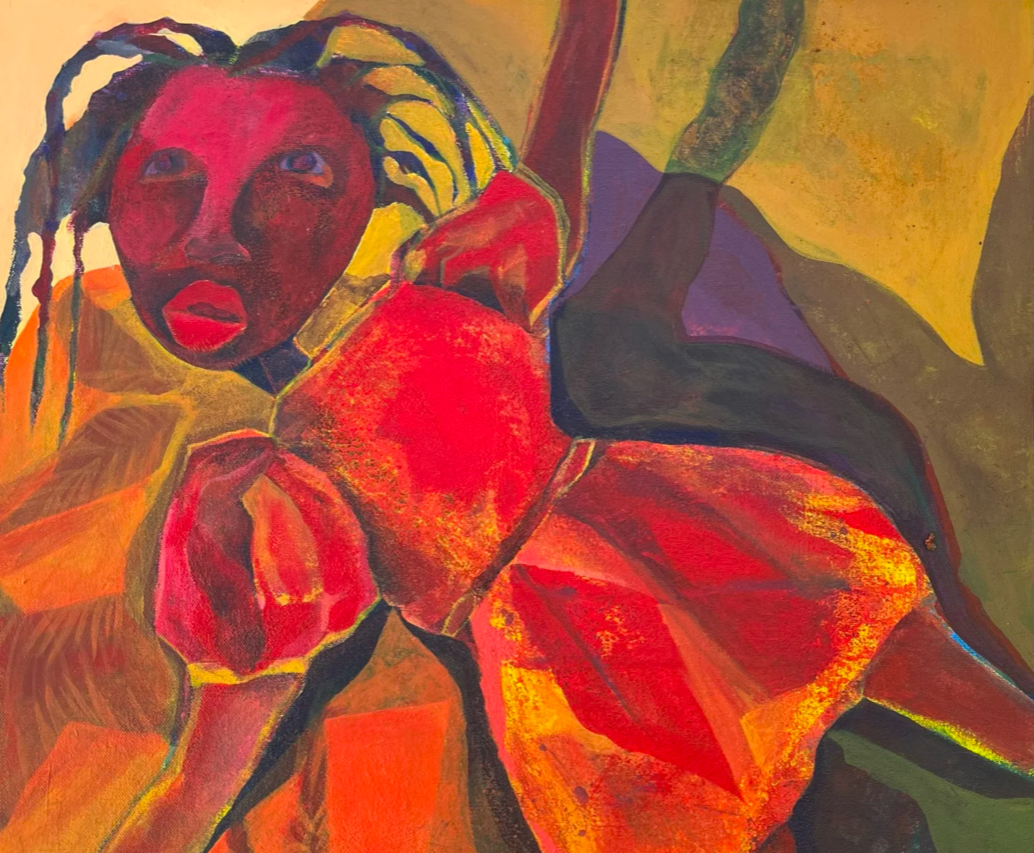
I Can Fly, Oasis
Acrylic on canvas, 50×60 cm
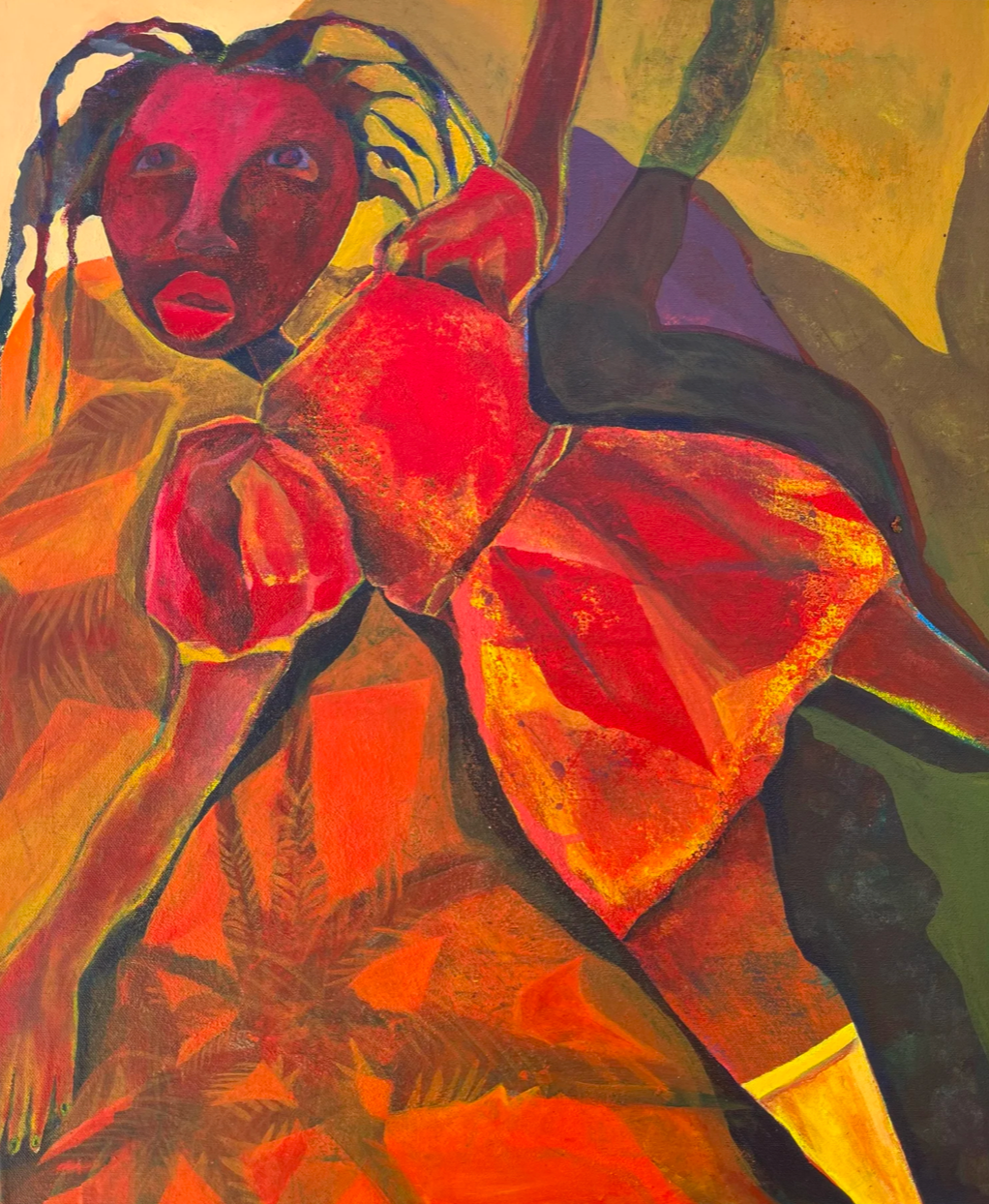
I Can Fly, Oasis emerged directly from Amna's journey of displacement.
Forced to leave Khartoum with her family, she joined millions of Sudanese displaced by the conflict. Without access to her studio, paints, brushes, or canvas, she began sketching the work while in transit through Cairo. The painting was later completed in Saudi Arabia, where she temporarily settled.
The work portrays a female figure reaching forward, suspended between movement and arrival, vulnerability and determination. She appears to inhabit a dreamlike world where imagination offers temporary shelter from chaos.
The vibrant reds, oranges, and golds evoke both danger and vitality. The body stretches toward an unseen horizon, suggesting an ongoing journey rather than a final destination.
The oasis of the title is not simply a geographical destination. It represents the persistent human desire for refuge, belonging and possibility. Through the act of imagining another reality, the figure creates a space where hope remains alive.
Could you become the next caretaker of I can Fly, Oasis by Amna Elhassan?
This artwork carries a story of place, memory and imagination. At the close of the exhibition, it can begin another journey.
If you would like to become its next caretaker, we invite you to make an offer. Your contribution will support Artists Project Earth in commissioning artists and supporting creative, environmental and humanitarian action around the world.

Themes in Amna’s work
Seeking Safe Space
The search for refuge becomes both a physical journey and an inner condition.
Women at the Centre
Sudanese women are central to Amna’s work, portrayed through everyday life, adaptation, becoming and resistance.
Hope as Practice
Hope emerges not as passive optimism, but as a deliberate act of perseverance.
Dreaming Through Uncertainty
Imagination creates openings toward futures that remain possible despite conflict.
Situated at the confluence of the Blue Nile and White Nile, Khartoum has long been a centre of political power, intellectual life, and civic activism in Sudan. Throughout its history, women have played leading roles in anti-colonial movements, democratic struggles, neighbourhood support networks, and campaigns for social justice.
The city became internationally recognised during Sudan's 2018–2019 revolution, when women known as Kandakas – invoking the legacy of ancient Nubian queens – emerged as visible leaders of a nationwide movement for democratic change. Artists, poets, musicians, and community organisers transformed public spaces into sites of collective imagination and resistance.
Since the outbreak of war in April 2023 between the Sudanese Armed Forces and the Rapid Support Forces, Khartoum has experienced widespread destruction, displacement, and humanitarian crisis. Millions have been forced to flee their homes, while women have once again become central to community survival through mutual aid networks, emergency support systems, and grassroots care initiatives.
Khartoum: A City of Resistance and Survival
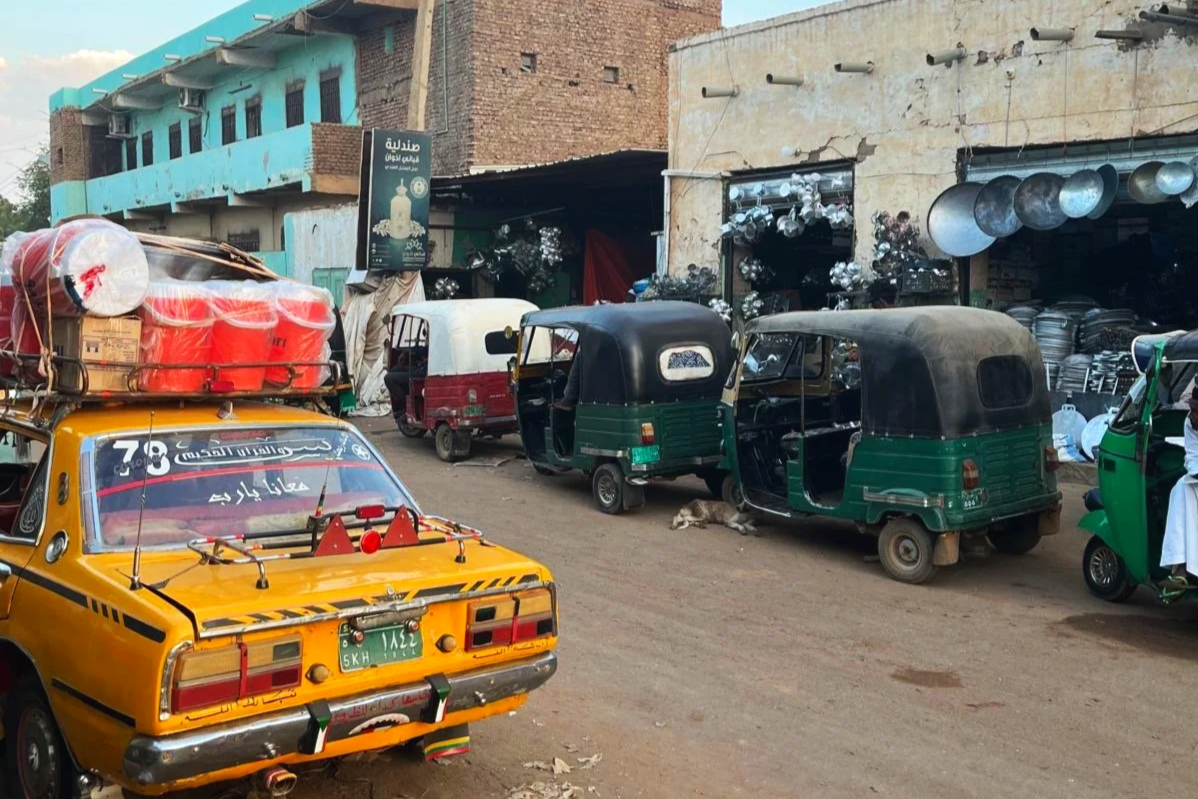
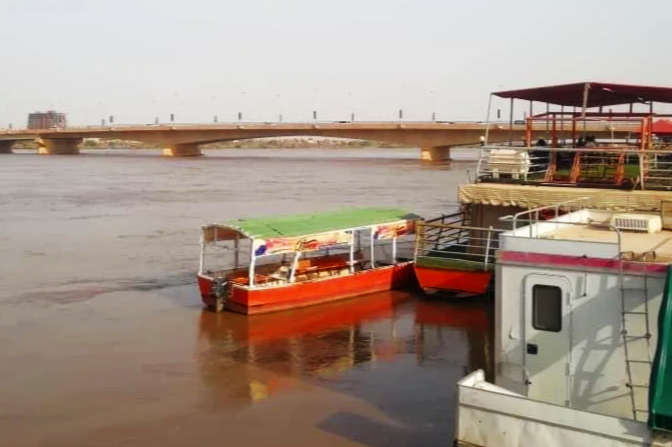
A City in Conflict
The current war has transformed Khartoum from a vibrant cultural and political centre into one of the principal battlegrounds of Sudan's humanitarian crisis.
Large parts of the city have experienced bombardment, infrastructure collapse, food shortages, and mass displacement. Women and girls have been disproportionately affected through forced migration, economic hardship, and gender-based violence. Yet alongside these realities, extensive networks of mutual aid, community solidarity, and civilian care continue to sustain daily life.
As in previous moments of crisis throughout Sudan's history, women continue to act as caregivers, organisers, activists and custodians of collective memory.

Discover other Artists
-
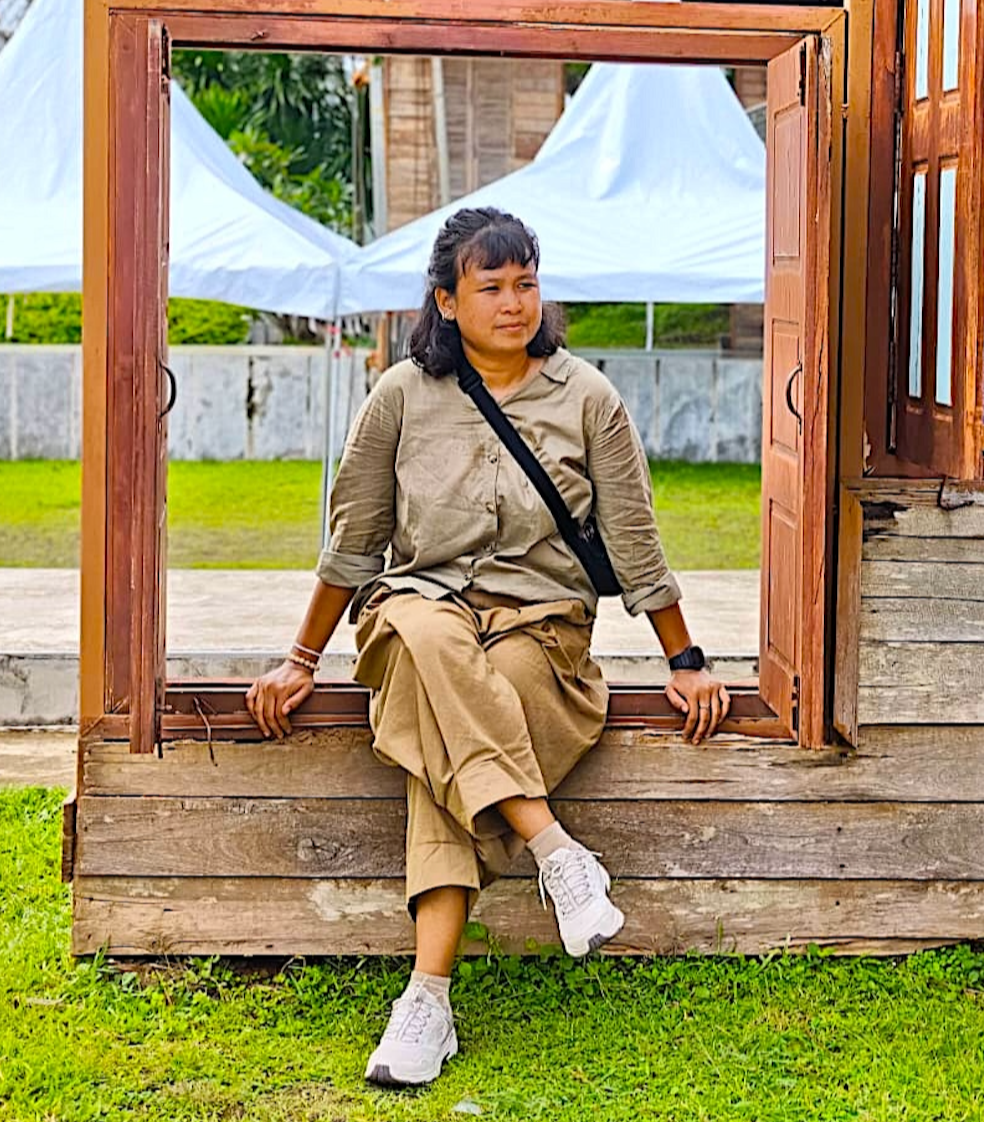
Khin Thethtar Latt
Yangon, Myanmar
-
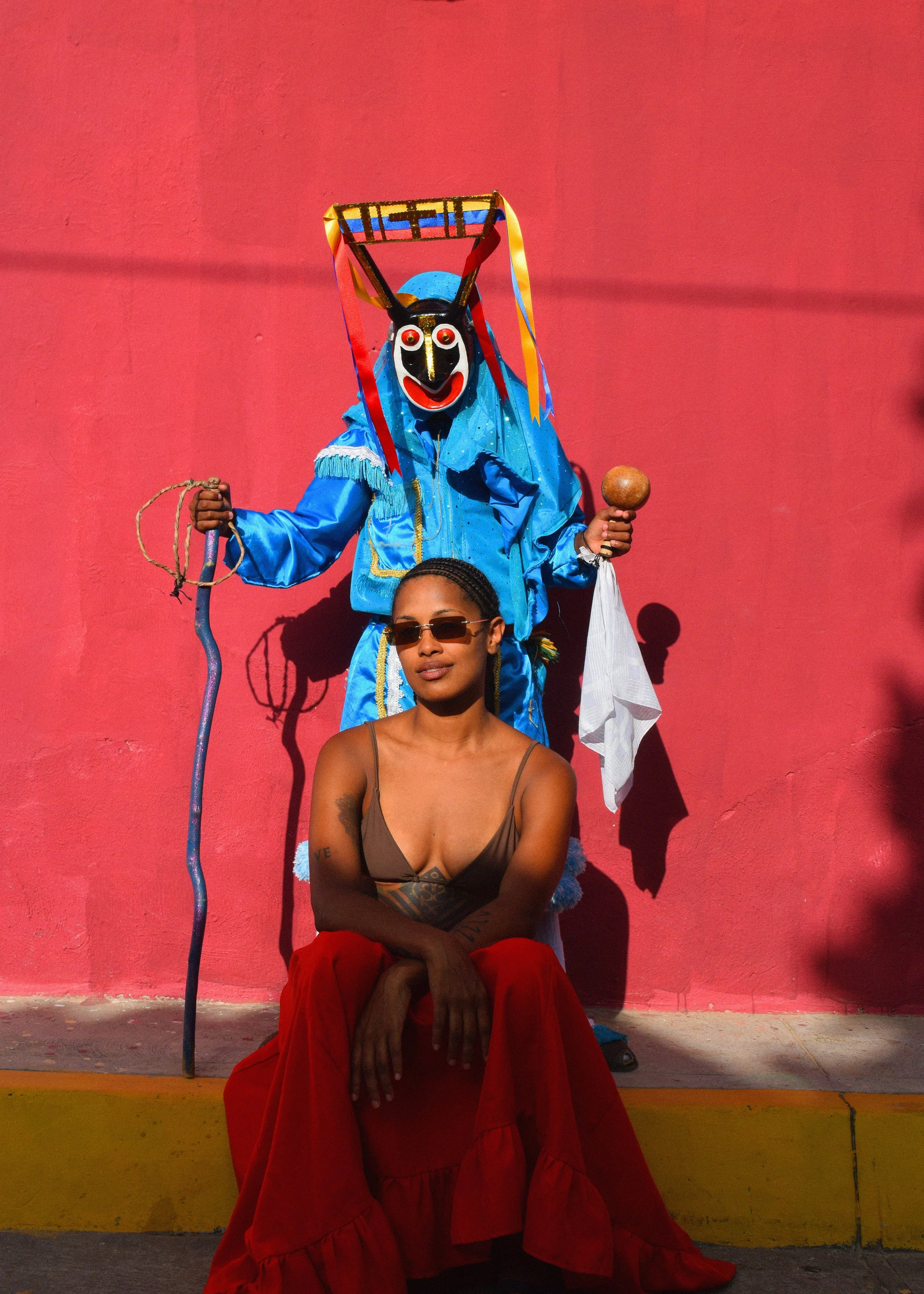
Dania Bucko
Caracas, Venezuela
-
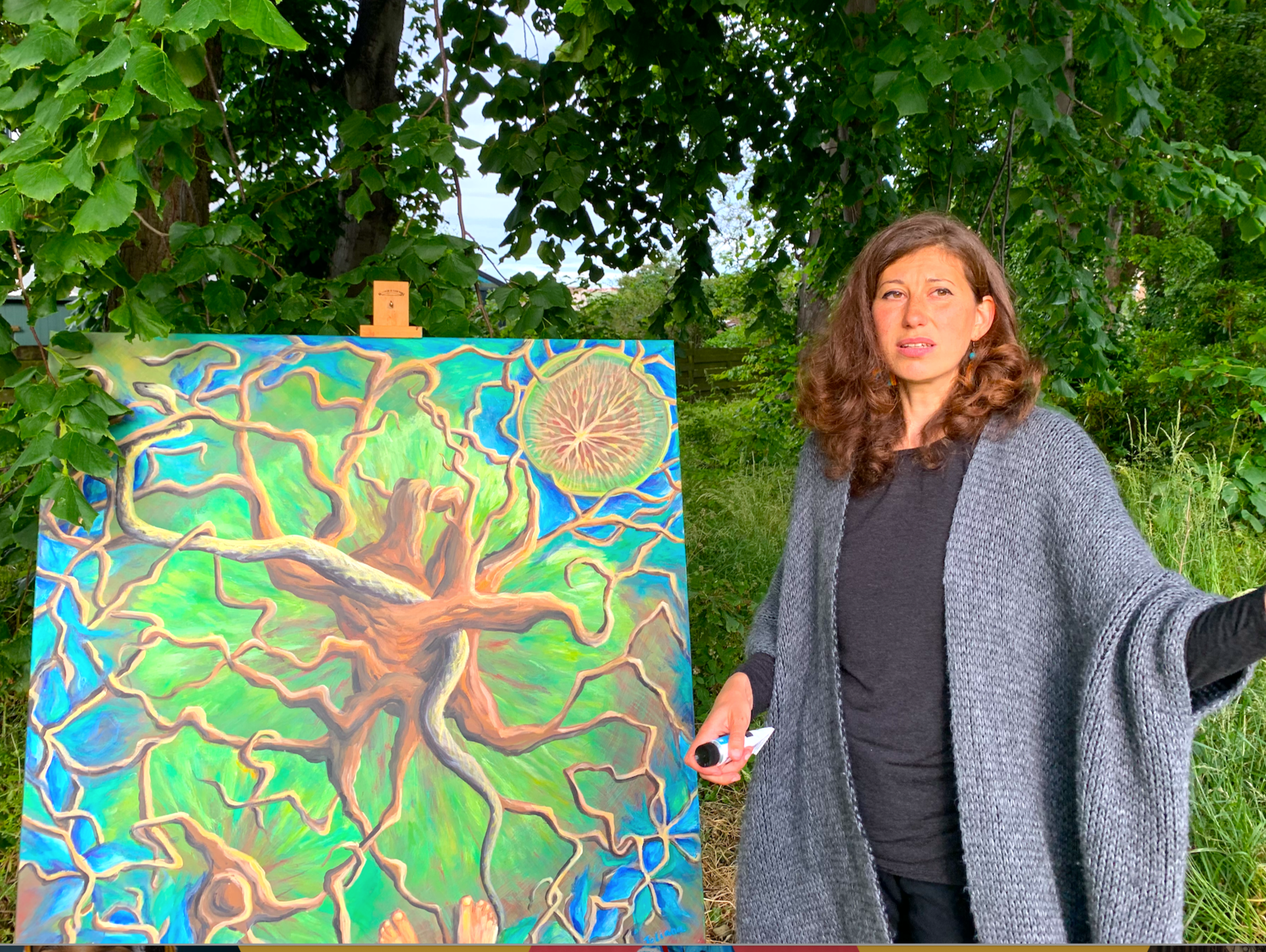
Tetiana Hurn
Zhmerynka, Ukraine
-
Amaal Saeed
Ahwaz, Iran
-
Rala Tarabishi
Damascus, Syria
-
Asmaa Alwhidy
Gaza, Palestine
-
Sarah Ndele
Kinshasa, Democratic Republic of the Congo