
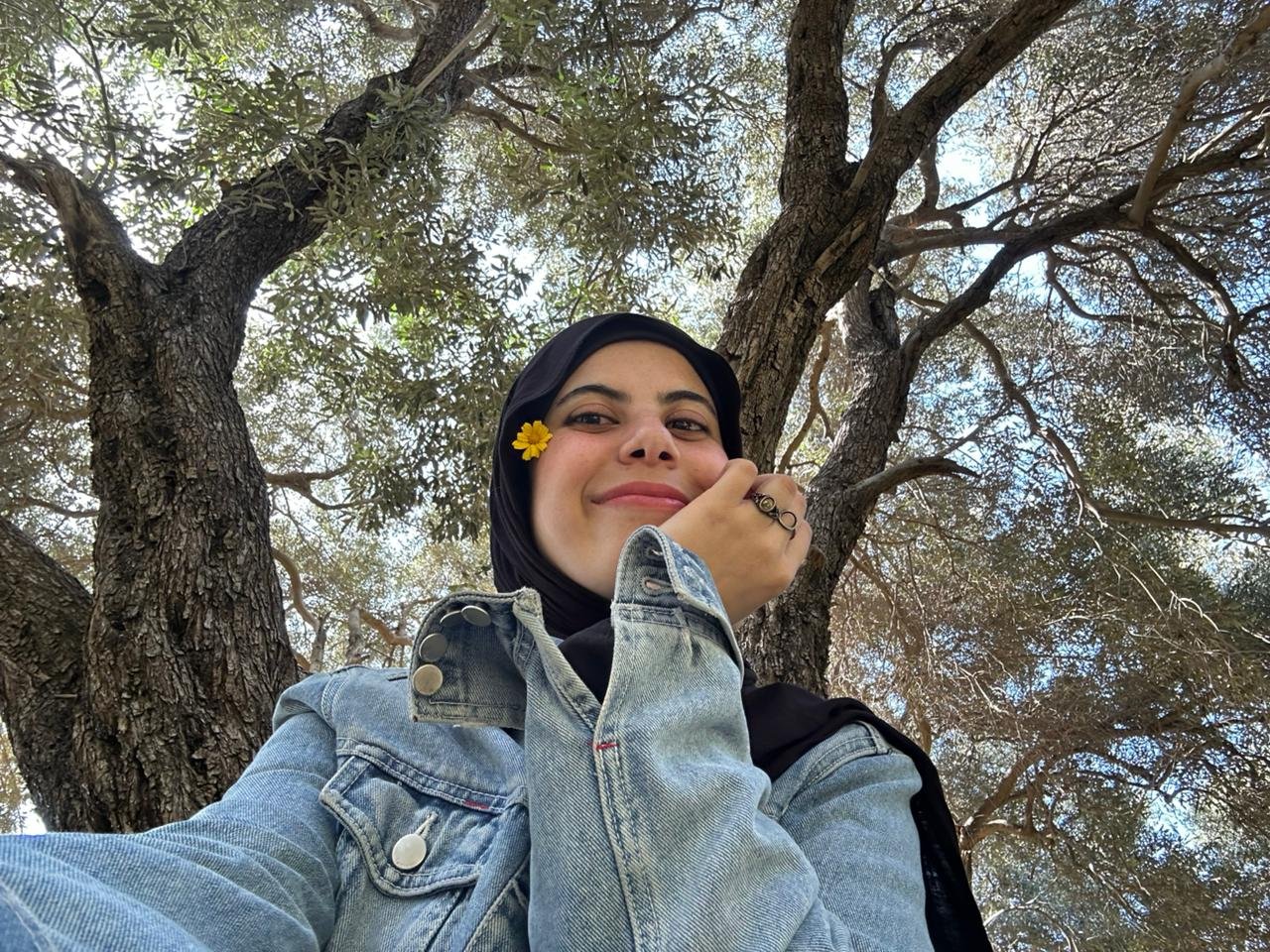
Asmaa Alwhidy
Gaza, Palestine
Asmaa Alwhidy is a visual artist and illustrator who lives and works in Gaza City. Moving between digital and traditional techniques, her work explores the intersections of memory, identity and future possibilities, bringing personal experience into dialogue with the collective histories of her community.
Her visual language is characterised by vivid colour, bold contrasts and a distinctive combination of nostalgic storytelling and futuristic imagination. Rather than treating past, present and future as separate territories, Asmaa allows them to coexist: childhood memories encounter the realities of war, while imagined futures open spaces beyond the conditions of the present.
Her relationship with place extends beyond her studio. Through community art workshops, cultural initiatives and heritage preservation, she uses creativity to reconnect people with their environment, revive memory and strengthen community ties. During the war, she has worked with children and young women to explore changing identities, remember their pre-war lives and imagine a future Gaza that is safe and full of life.
For Asmaa, art is both an archive and a space of possibility.
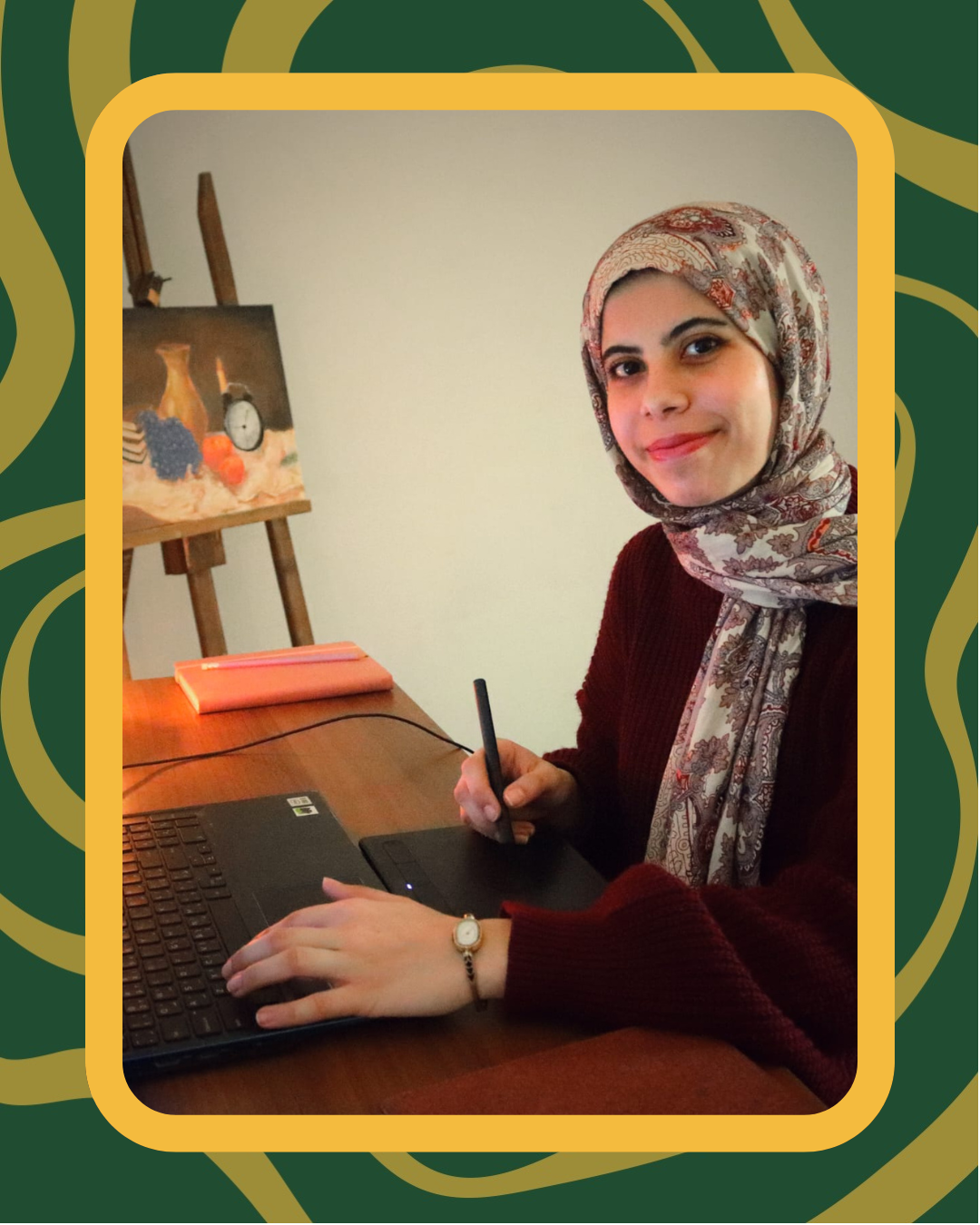
“My art explores the intersection of memory, identity, and future possibilities. By merging reality and imagination, I create pieces that reflect both personal experiences and collective histories, especially those of my community.”
Asmaa Alwhidy

Etheric Roots
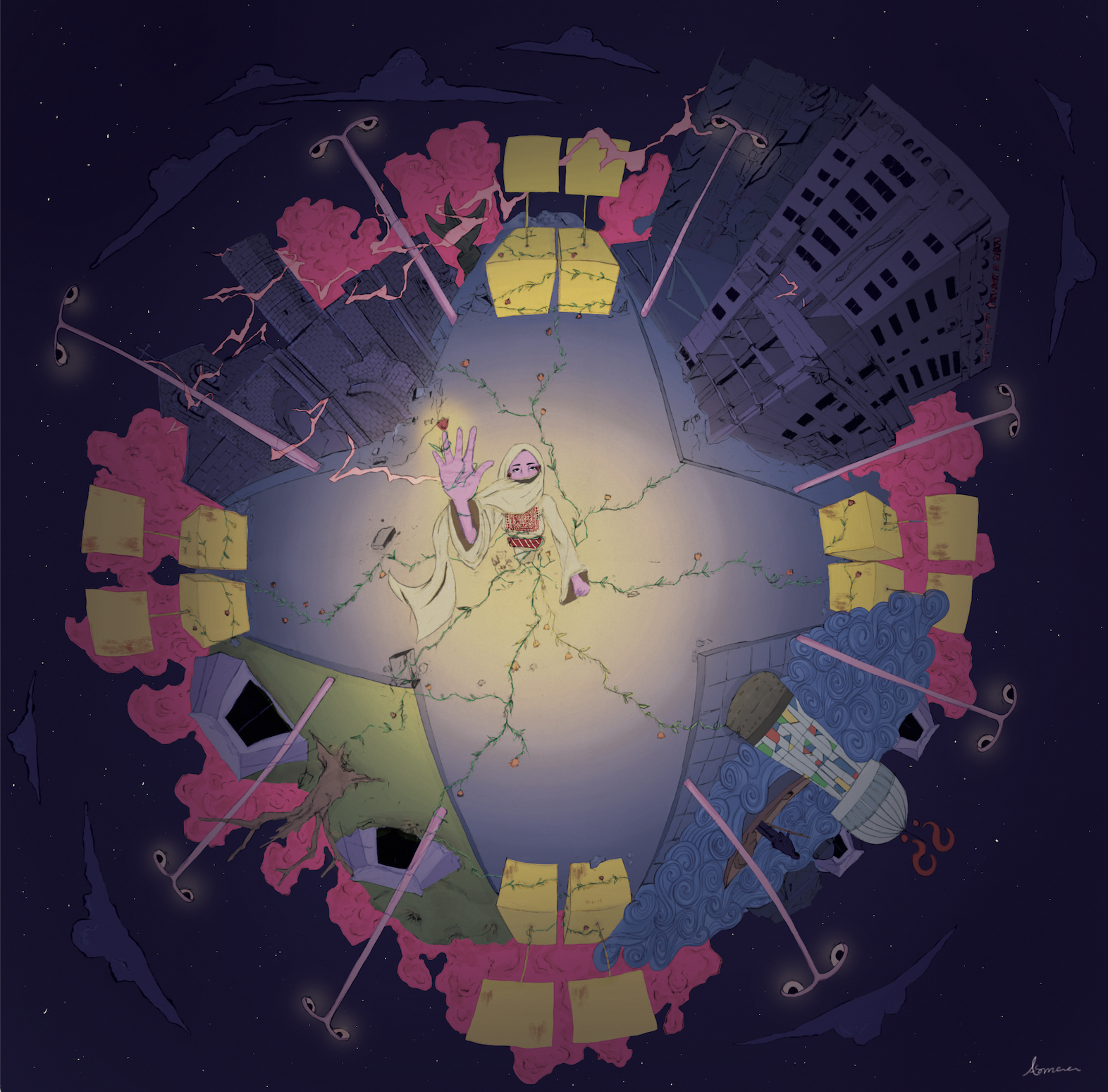
Etheric Roots emerges from Asmaa Alwhidy's continuing exploration of memory, identity and future possibilities. Her practice moves between personal experience and collective history, asking what remains of our relationship with place when the physical environments that hold our memories are altered or destroyed.
For Asmaa, preserving memory is itself a form of resistance. During displacement, when electricity, internet access and materials were scarce, drawing became a way to document and process what was happening around her. Her work carries this impulse to preserve what might otherwise disappear, while keeping Palestinian identity connected to place.
Yet Etheric Roots is not only concerned with what has been lost. Asmaa's work consistently looks forward, imagining Palestine beyond the conditions of the present. The roots become a metaphor for connections that endure through rupture—between memory and possibility, heritage and imagination, belonging and an unfinished future.
Could you become the next caretaker of Etheric Roots?
This artwork carries a story of place, memory and imagination. At the close of the exhibition, it can begin another journey.
If you would like to become its next caretaker, we invite you to make an offer. Your contribution will support Artists Project Earth in commissioning artists and supporting creative, environmental and humanitarian action around the world.
Themes in Asmaa’s Work
The Mediterranean
The sea stands for cultural enrichment, livelihood and the wider world, while simultaneously marking the realities of restriction and confinement.
Imagining Forward
If we cannot imagine the future we want to create we will never get there. The future begins at the threshold of imagination.
Creating Community
Collective art practice nurtures the spirit of the community, sustaining interdependence in both auspicious and adverse times.
Gaza: Between the Mediterranean and Confinement
Gaza is a place stands in a profound tension between connection and confinement.
For centuries, its position on the Mediterranean connected its people to trade, fishing, cultural exchange and the wider world. Gaza City's cultural landscape encompasses historic mosques, traditional markets, archaeological sites and layers of architecture that testify to a long and complex history.
The sea remains one of Gaza's most powerful spatial and emotional presences. It marks an edge, but also an horizon. It evokes livelihood, memory and connection to a world beyond Gaza, while restrictions on movement have simultaneously made that horizon a reminder of geographical and political confinement.
Asmaa's practice is deeply attentive to these relationships between people and place. During a year spent in a coastal village, she observed the lives of farmers and fishermen living amid war and scarcity. Worn fishing nets, modest homes, tools repaired and protected, and the intimacy between people and sea became material for her design practice.
A Landscape of Displacement and Destruction
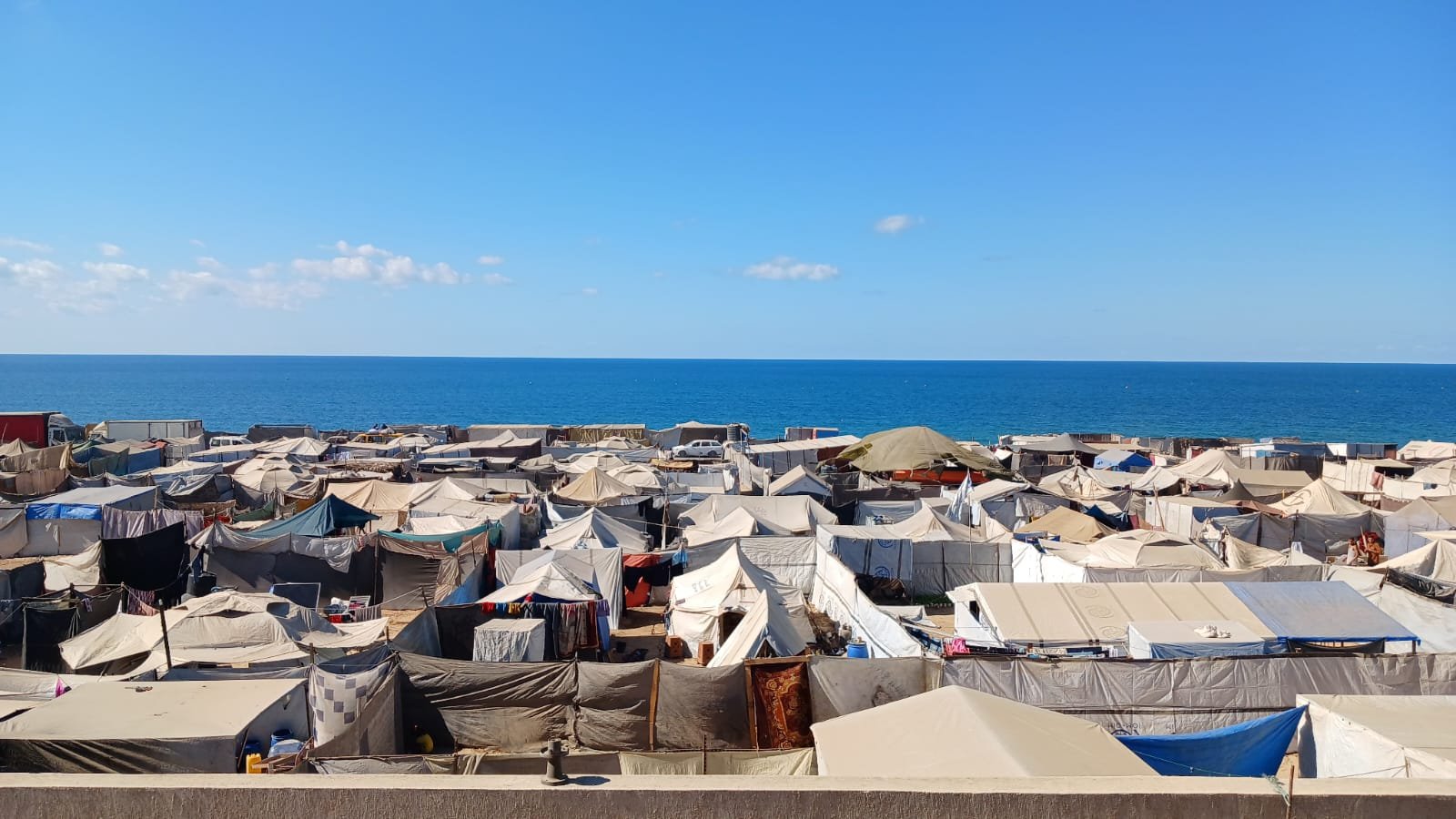
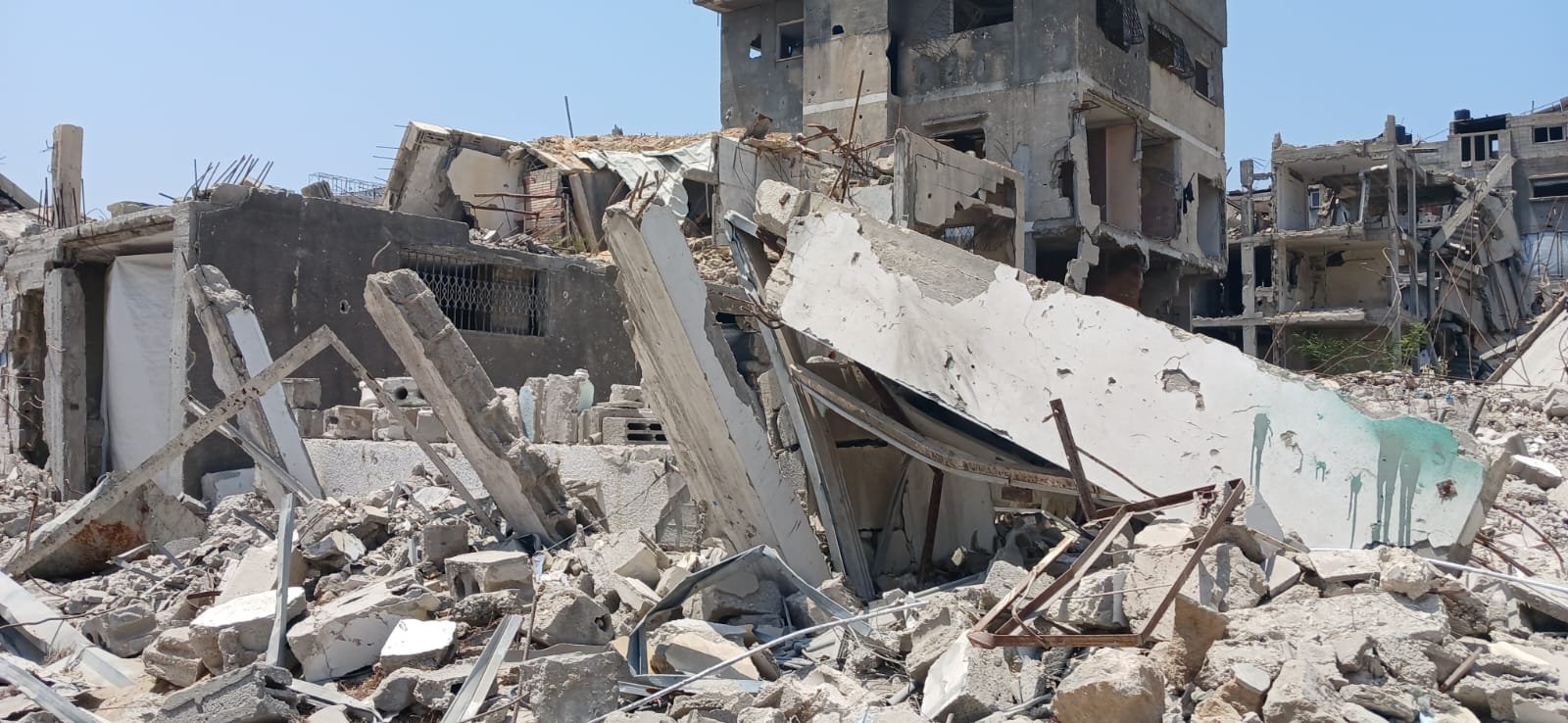
The recent war has brought an extraordinary scale of death, destruction and displacement to Gaza. It follows a much longer history shaped by the displacement of Palestinians during the 1948 Nakba, Israeli occupation after 1967, the blockade imposed on Gaza since 2007 and repeated cycles of armed conflict.
Homes, neighbourhoods and essential civilian infrastructure have been extensively damaged or destroyed. Repeated displacement has forced many Palestinians into overcrowded shelters, tents and damaged buildings, amid severe shortages of food, clean water, healthcare, sanitation and other necessities.
For women and girls, these conditions carry additional burdens. Overcrowding reduces privacy; inadequate sanitation affects menstrual hygiene; food insecurity has particular consequences for pregnant and breastfeeding women; and displacement can heighten exposure to exploitation, violence and psychological trauma.
Yet Gaza cannot be understood through destruction alone.
Homes are also repositories of family memory. Streets carry histories. Markets, coastlines, neighbourhood relationships and cultural traditions connect people to place. When buildings disappear, the question of what is preserved becomes inseparable from the question of what might eventually be rebuilt.
Asmaa's art inhabits precisely this territory between what has been lost, what remains and what can still be imagined..

Discover other Artists
-
Khin Thethtar Latt
Yangon, Myanmar
-
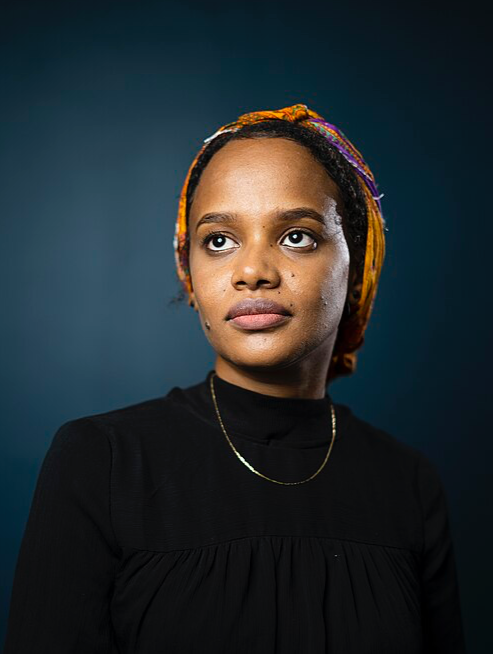
Amna Elhassan
Khartoum, Sudan
-
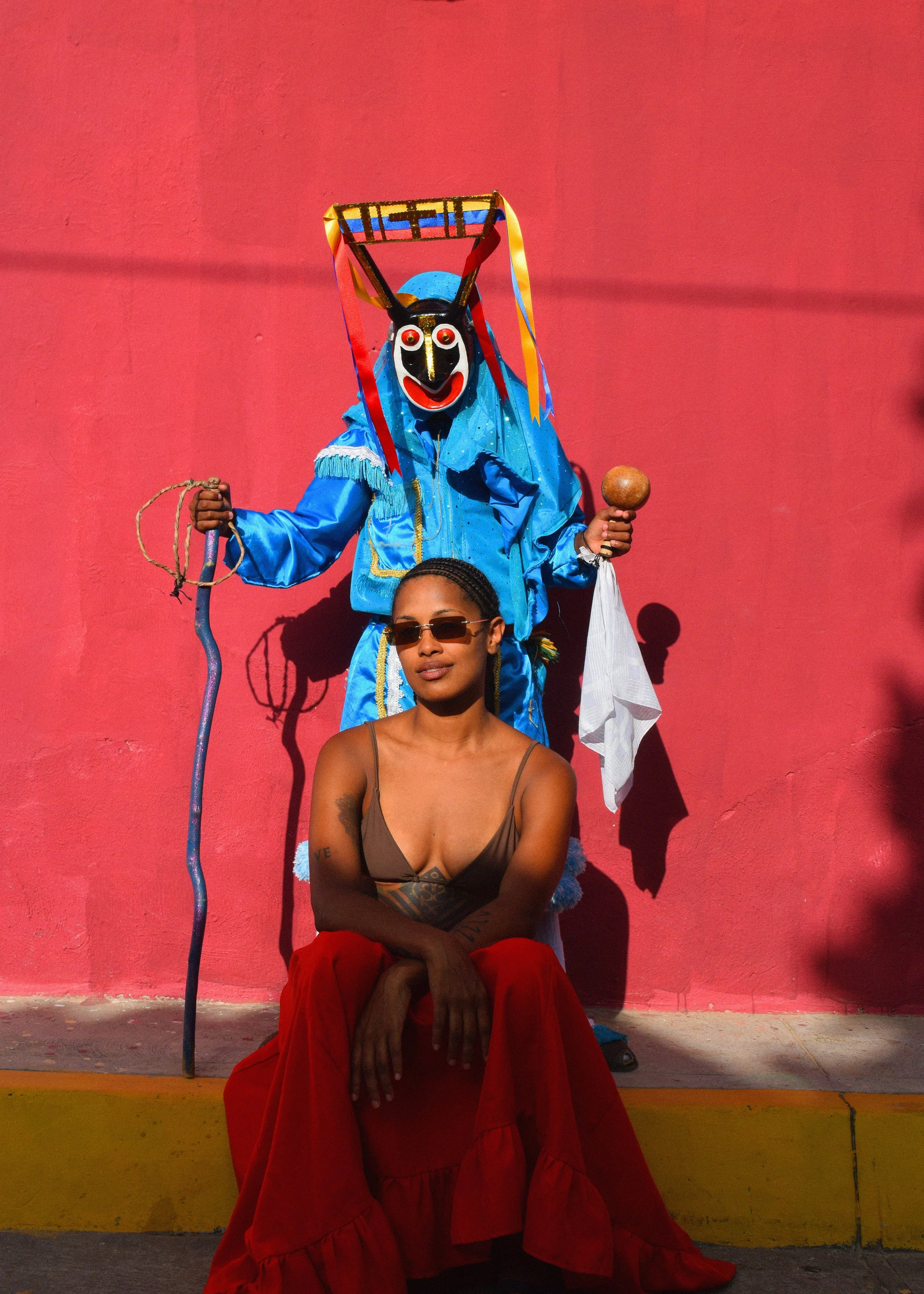
Dania Bucko
Caracas, Venezuela
-
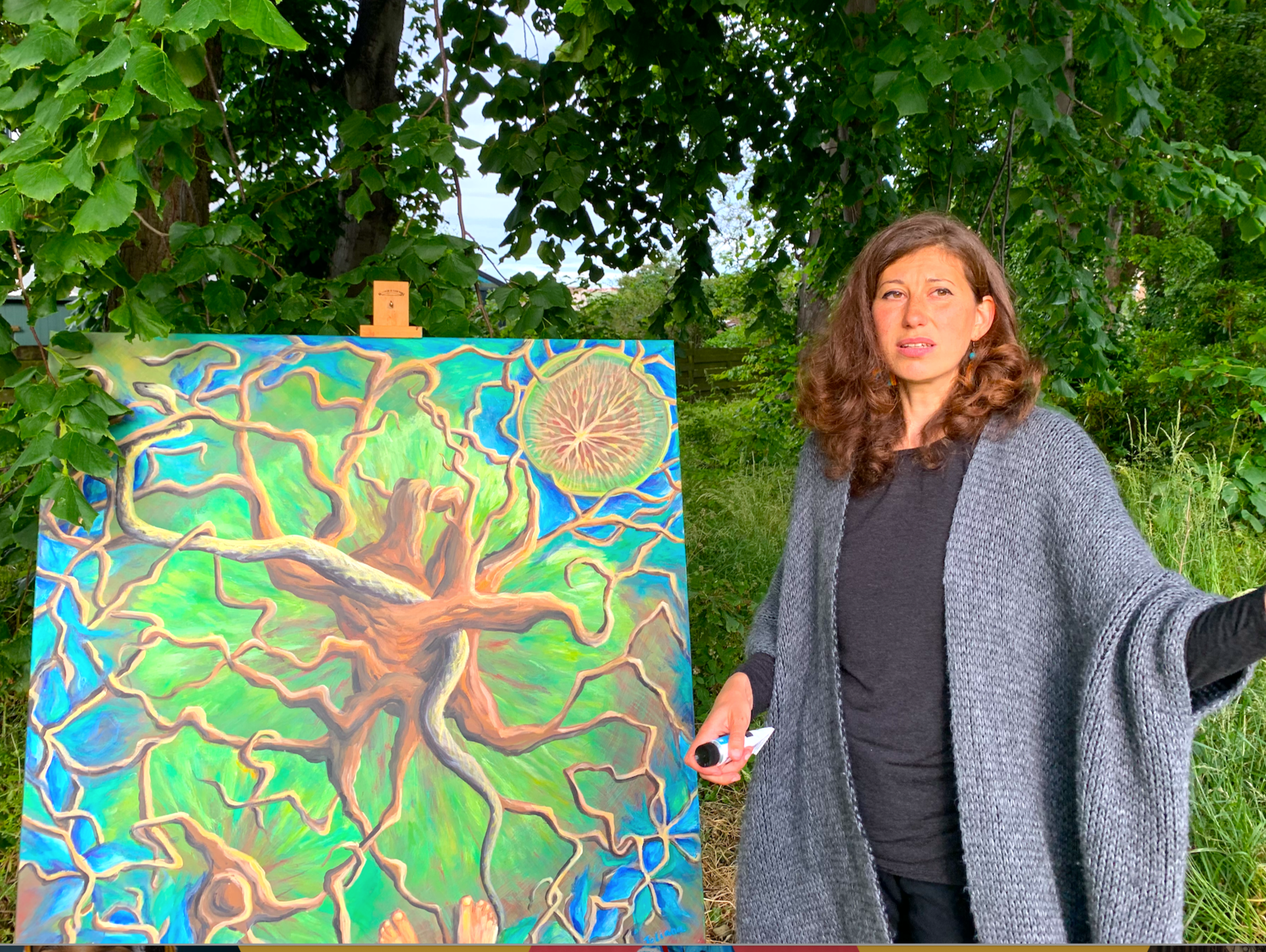
Tetiana Hurn
Zhmerynka, Ukraine
-
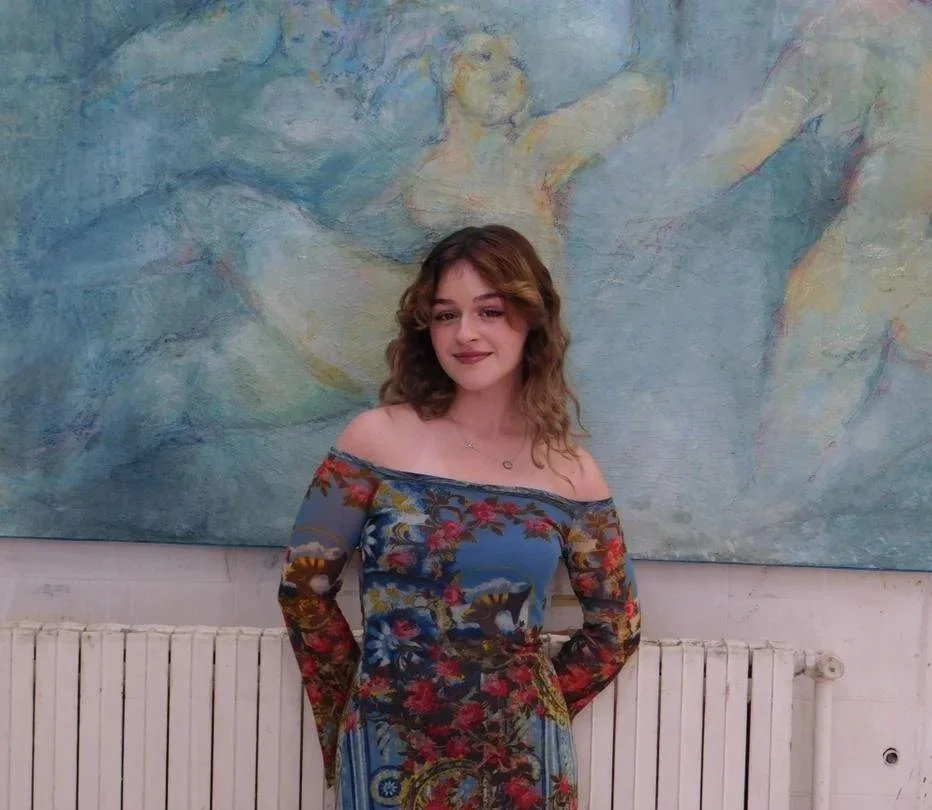
Rala Tarabishi
Damascus, Syria
-
Amaal Saeed
Ahwaz, Iran
-
Sarah Ndele
Kinshasa, Democratic Republic of the Congo